

At first glance, Concord, Sony Interactive Entertainment's ambitious, first-person hero shooter looked like the standard overstimulating, ultraviolent adventure game that players know and love. Complete with a cast of cartoon killers, Concord wasn't much different than its successful competitors like Overwatch 2, Fortnite, Apex Legends and more.
But one thing set their characters apart: They didn't look like most heroes in these games. Concord's diverse roster featured one non-binary character, two plus sized characters, two Black women, eight total characters of color (not counting the multicolored aliens) and one white man for good measure. That, according to some critics, is why the game flopped.

Sony plunged hundreds of millions into the game and nearly a decade of development by the time it came out in August 2024. Simon Carless, a gaming analyst, estimated that Concord sold approximately 25,000 units in its first week — a severe underperformance for a multimillion dollar studio project.
By week two, Sony pulled the plug on Concord and refunded the game’s total sales to all customers. Months later, the company “permanently sunset” FireWalk Studios, the game’s developer acquired by Sony in 2023.

Now, Concord is at the center of a brewing debate in the gaming world.
Detractors have blamed diversity and inclusion for its failure — the latest in a series of other progressive game flops. “Go woke, go broke” has become a common refrain among these critics.
On the other side, the games journalists and designers who reviewed and developed the game caution that D.E.I. is not to blame. Concord imploded due to far more mundane business failures, they argue.
The debate is playing out amid a broader attack on diversity, inclusion and progressive ideals.
In the wake of several D.E.I. attacks by the Trump administration, the growing popularity of manosphere figures like Andrew Tate and a rise in conservatism among young men, some wonder if representation and revenue can coexist in male-dominated spaces like gaming.
Regardless of its diverse character set, Concord waged an uphill battle from the beginning in the oversaturated hero shooter genre. Other new arrivals like Marvel Games’ recent hit, Marvel Rivals, and Overwatch 2 have thrived, in part because they were supported by well-known franchises. Concord was an entirely new IP with no name recognition.
After shuttering both Concord and FireWalk studios, Hermen Hulst, the CaEO of Sony Interactive, wrote: “certain aspects of Concord were exceptional, but others did not land with enough players.”
“It got pretty bleak, pretty fast,” said a former FireWalk employee about Concord’s launch.
This former employee, who spoke on the condition of anonymity to avoid harassment, thinks that Sony took the wrong message from Concord’s failure. The employee admitted that the game “didn’t land” as Hulst put it, but disagree that actual gamers were behind its online backlash.
“I would click on the Twitter pages of many of these people and I would say only 30% actually had anything to do with games on their profile,” the person said.
Concord’s gameplay trailer earned nearly 8 times more likes than dislikes for a total of 33,000 downvotes, meanwhile hate content earned millions of likes and views across YouTube and X.
As more progressive games like Concord enter the market, the young men who’ve historically dominated gaming are becoming more defensive, according to Amanda Cote, a games researcher and author of Gaming Sexism: Gender and Identity in the Era of Casual Video Games.
“There is a vocal minority that has pinned their identity on being the only ones involved in geek spaces, and they will protect these against perceived incursions,” she said.
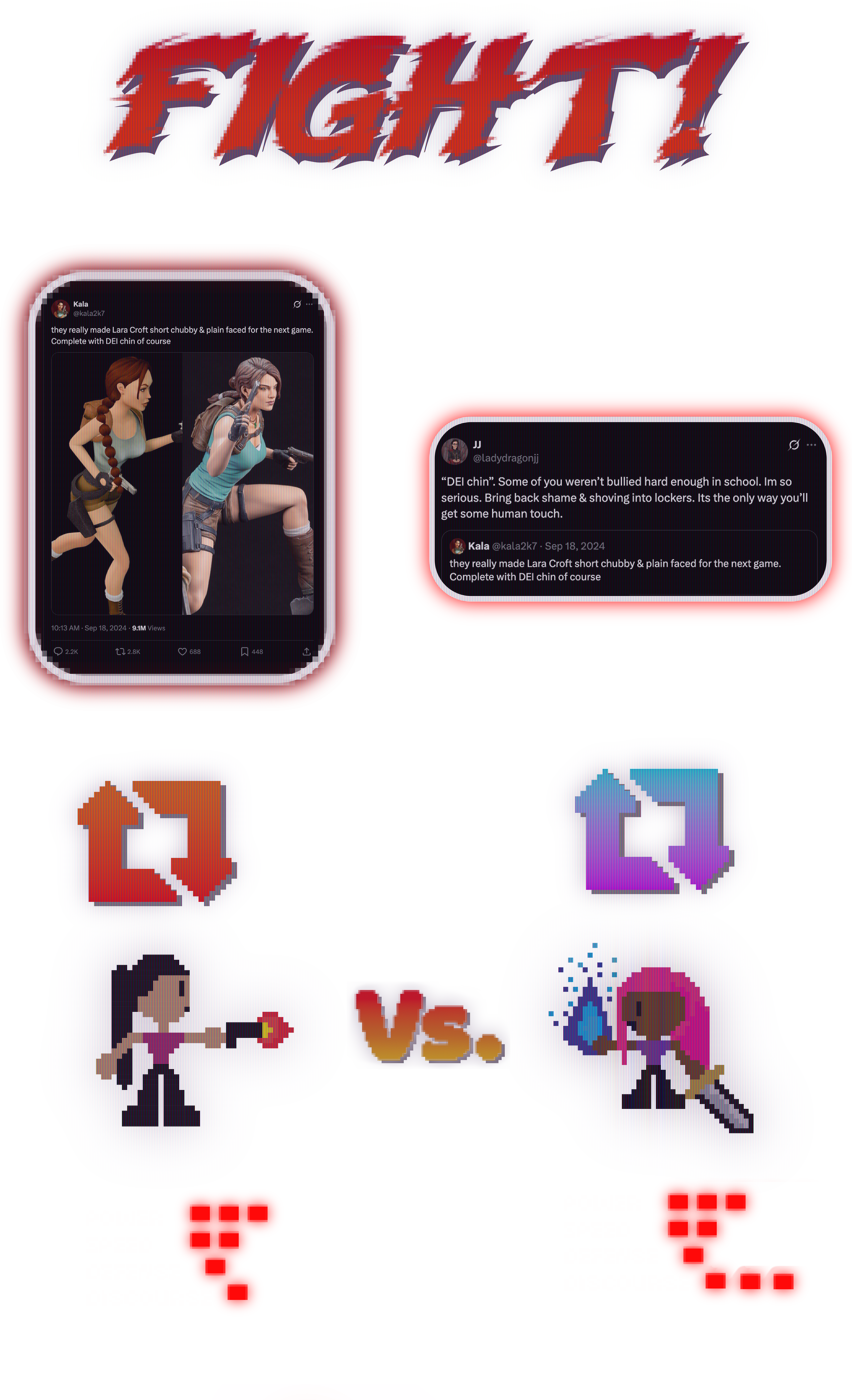
The former Firewalk employee spent some time in these geek spaces during Concord’s anti-woke backlash. “About 70% of these accounts had something posted about MAGA, Elon, or Nazis in their profile,” the employee said.
Anti-woke hate trains may attract non-gamers, but they’re led by organized, dedicated players.
The premier online video game storefront Steam hosts a popular community of anti-woke gamers, called “The Woke Content Detector,” who vocally oppose Concord and nearly 1,000 other “woke” games.
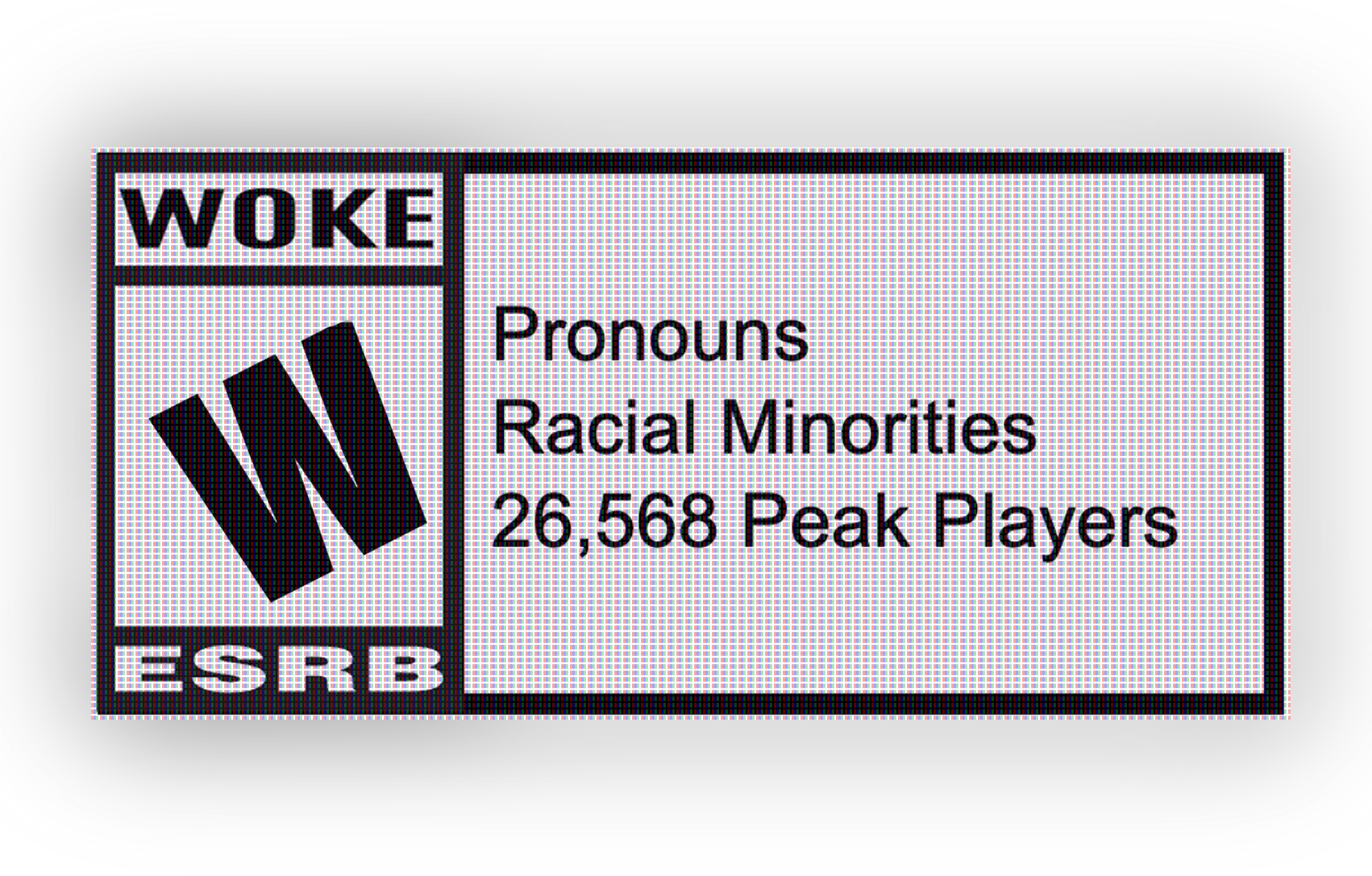
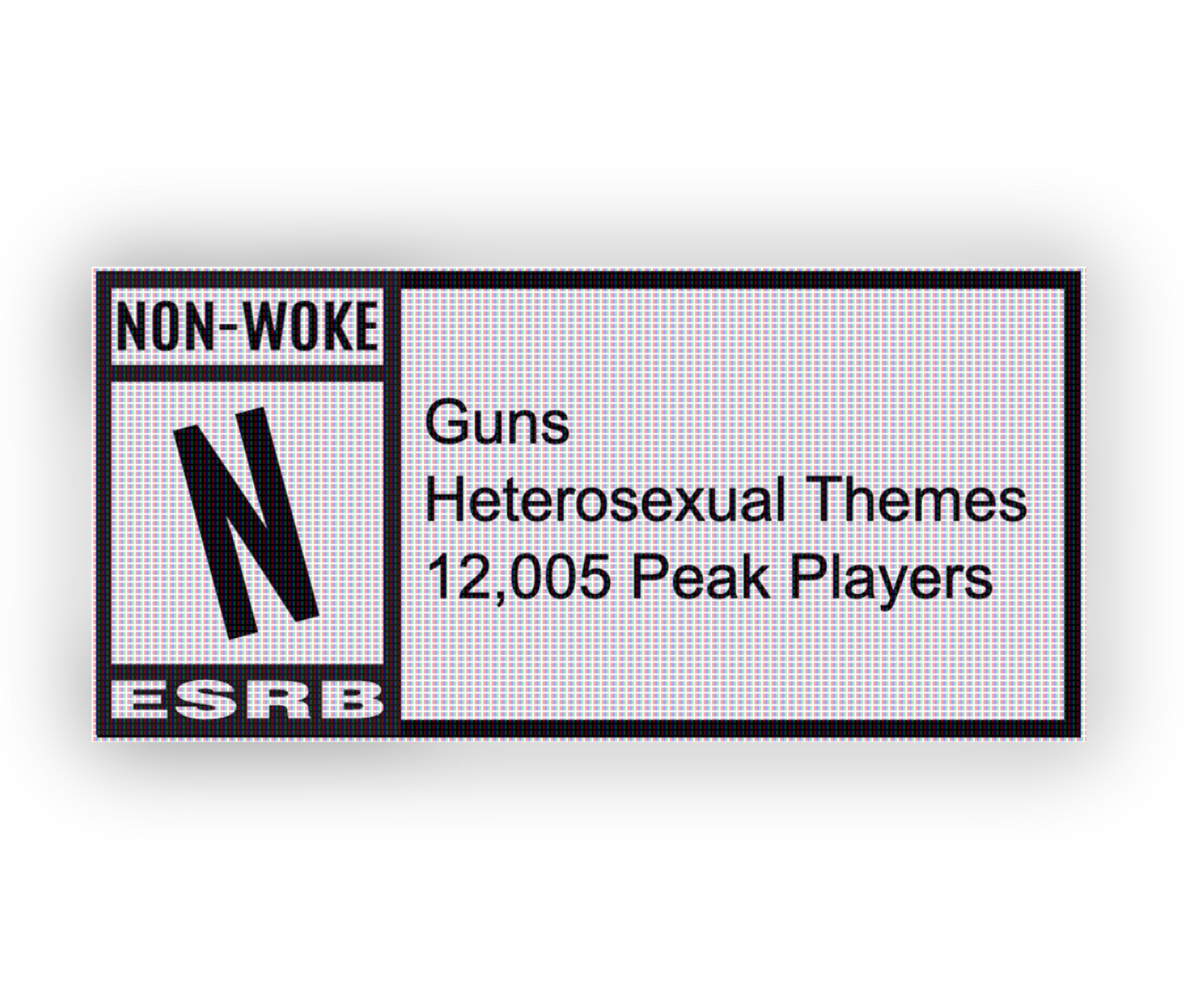
The group has compiled a list of over 1,000 Steam games organized by wokeness or lack thereof. But analyzing their list shows that most gamers don’t share their anti-woke convictions.
Woke Content Detector’s list defines woke games as titles with significant racial diversity, “anti-white messaging,” “pro-LGBTQ+ messaging,” “anti-patriarchy messaging,” and “feminist narratives.” Comparing both the woke and non-woke games’ average user reviews on SteamDB — a third-party database of Steam’s sales, reviews and player counts — woke games only received 3 percent more negative reviews than non-woke games.
While the gap was negligible, these games’ respective popularity told a more interesting story. Based on Woke Content Detector’s list and SteamDB’s data, woke games are 2.2 times more popular than their non-woke counterparts.
This doesn’t mean that all or most gamers are progressives, but it does contradict the “go woke, go broke” argument. In fact, according to the former FireWalk employee there are many conservatives inside the industry who support diversity.
“I worked with Trump supporters and conservatives who agree that diversity is fine,” the employee said.
However, there are those in the industry who oppose Concord and other progressive games’ diversity, like YouTuber SmashJT. A veteran game tester who’s worked with studios like Electronic Arts, Sony and more, SmashJT now comments on gaming news with an anti-woke perspective.
In his video Sony Just SHUT DOWN Concord!!!, he heralded the game’s downfall as a “victory for all gamers — or at least the ones that actually care about the direction of the game industry.”
He elaborated that “the pronouns on the robot, the ambiguous ‘can't tell if it's a dude or a girl’ [characters], the extremely diverse character roster that [FireWalk] put together that was the ugliest group of people you could imagine,” are all to blame.
SmashJT declined to comment for this article.
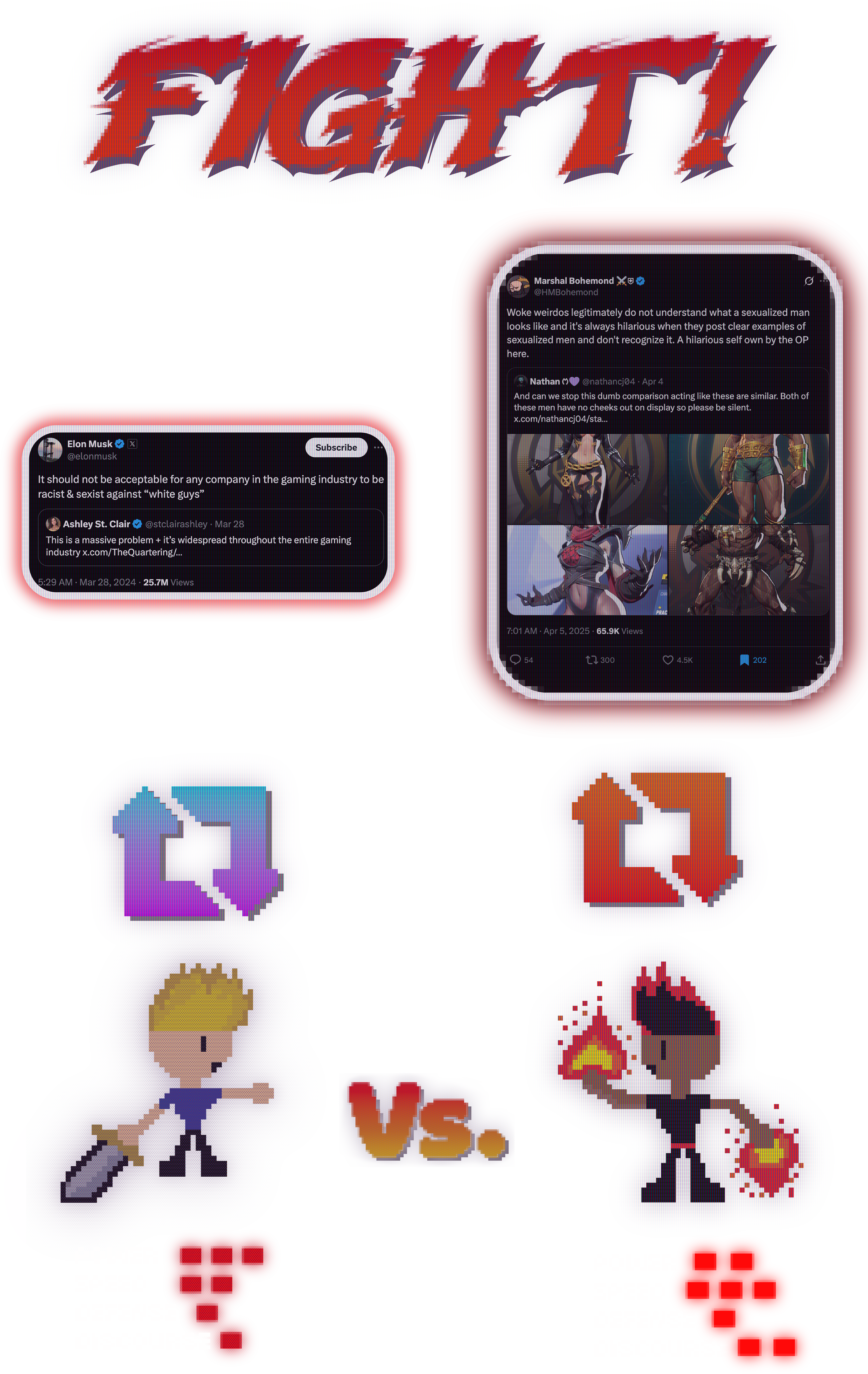
Games have been a political battleground for decades, and prominent conservatives like Elon Musk have started using them to enlist foot soldiers in the culture war.
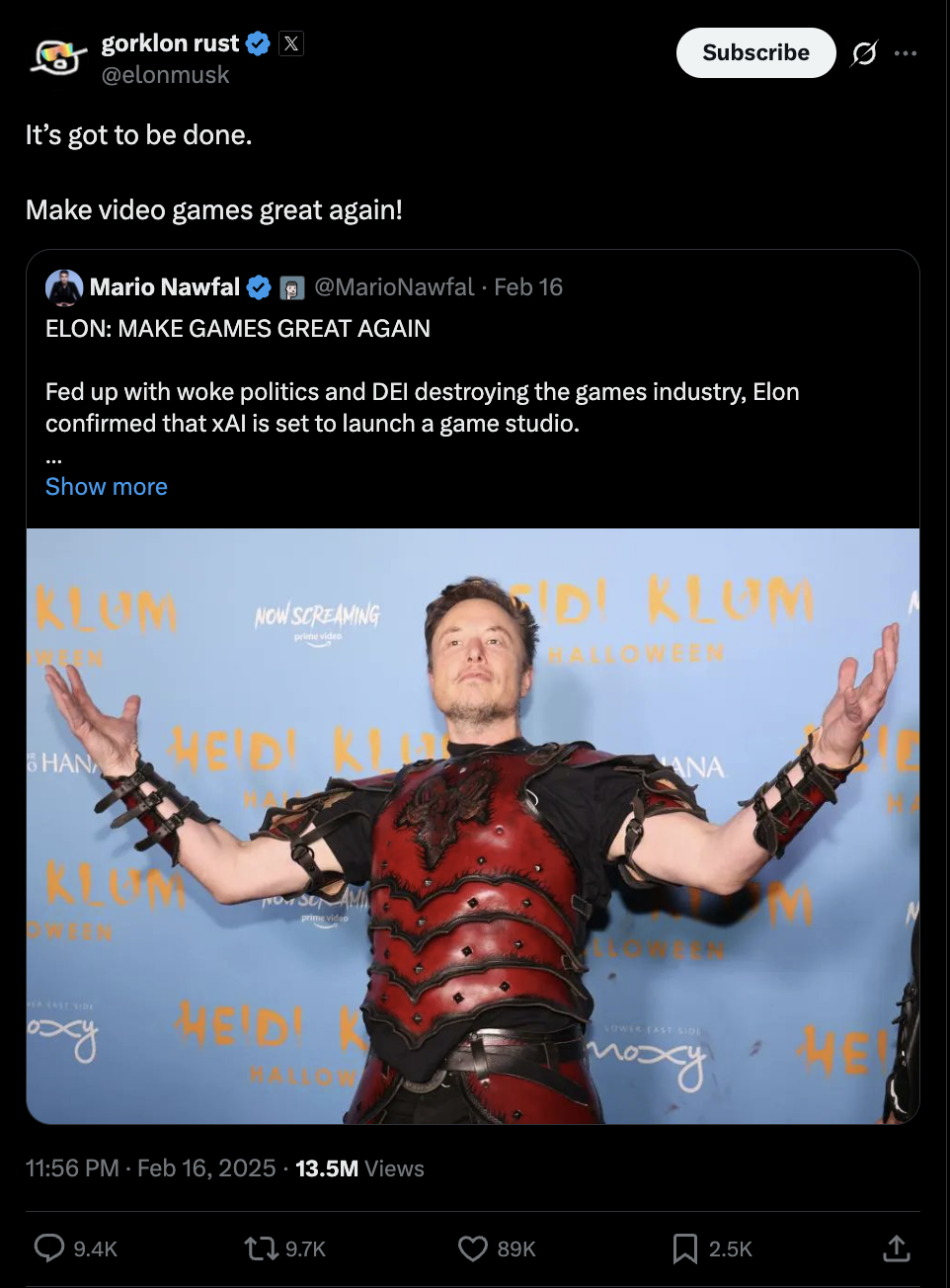
“A lot of angry young men play games — they see themselves as soldiers in a war, and they use games as a weapon,” the former FireWalk employee said. “They see the outrage bait, and they get mad because they’re like ‘Yeah, I'm a victim too!’ And yeah, everyone’s a victim, but it’s not because of the boobs.”
“The boobs” were another issue for Concord, known for its covered up, desexualized characters. The team went with a modest, desexualized character style to avoid objectification, but the former Firewalk employee thinks that this was a mistake.
Concord’s progressive appeals didn’t even land with marginalized gamers, many of whom weren’t fans of the characters’ designs or canonical pronouns.
“All my friends who are queer were like, yeah, that didn't they didn't have to do that,” the former employee said. “Even though there's nothing wrong with pronouns, that's not what killed Concord.”
According to Cote, marginalized players are perfectly willing to play violent games with sexy characters. Cote cited the gamer grrl movement as an example of women reclaiming sexuality in games.
“Rather than seeing the prevalence of objectified female characters as a barrier, the game grrlz made this trend part of their fun, overemphasizing femininity in order to subvert stereotypes,” she said. “They used sexualized avatars and hyper feminine screen names to rub in their victories over male opponents, claiming power for women by demonstrating that they could succeed in a male space.”
Although much has been said about its diversity, marketing and game design may have played a larger role in Concord’s demise. The game’s last minute, poorly received trailers spelled disaster for a brand new franchise, especially against name-brand competitors like Overwatch and Fortnite.
While the majority of SmashJT’s Concord coverage blamed wokeness, he argued that the game was as derivative as it was diverse. Addressing the now defunct FireWalk studios, he said in a video: “Maybe — I know it's crazy — try not to copy OverWatch one for one, try not to copy all these other games that do these team shooters, try to do your own thing. Create your own audience.”
Carless, the gaming analyst, agrees that the game suffered from unoriginality, writing in the GameDiscoverCo newsletter that “if we have any lesson from Concord, it’s this: product differentiation matters.” Carless argues that the game’s poor name-recognition, unoriginal gameplay and $40 price tag rendered Concord dead on arrival.
Other games have recently faced criticism for their attempts at diversity. Suicide Squad: Kill the Justice League famously underperformed despite its strong marketing and even stronger IP.
Shortly before its release, the game came under fire for its involvement with Sweet Baby Inc., a controversial video game consulting firm that encourages narrative diversity and inclusion. Even though the game has no shortage of white male characters, many players felt that the game sidelined and disrespected them in order to uplift its female characters and characters of color.
Diversity was likely an after-market concern. Long before its release, players complained that its gameplay trailers promised a derivative, live-service hero shooter much like Concord.
Similarly to Concord, Suicide Squad: Kill the Justice League damaged its developer, Rocksteady Studios. Its parent company, Warner Bros. Discovery, was vocally unhappy with the game’s underperformance. Gunnar Wiedenfels, Warner’s C.F.O., told investors that its games division was “in for a tough year” during an earnings call in early 2024. In 2024, the game was revealed to have cost Warner Bros. $200 million.
While it may be easy for dismiss the failure of both Suicide Squad and Concord because of their diversity efforts, in the endgameplay development and design may have played a greater role in the demise of the games.