The fighters who take a hit to survive

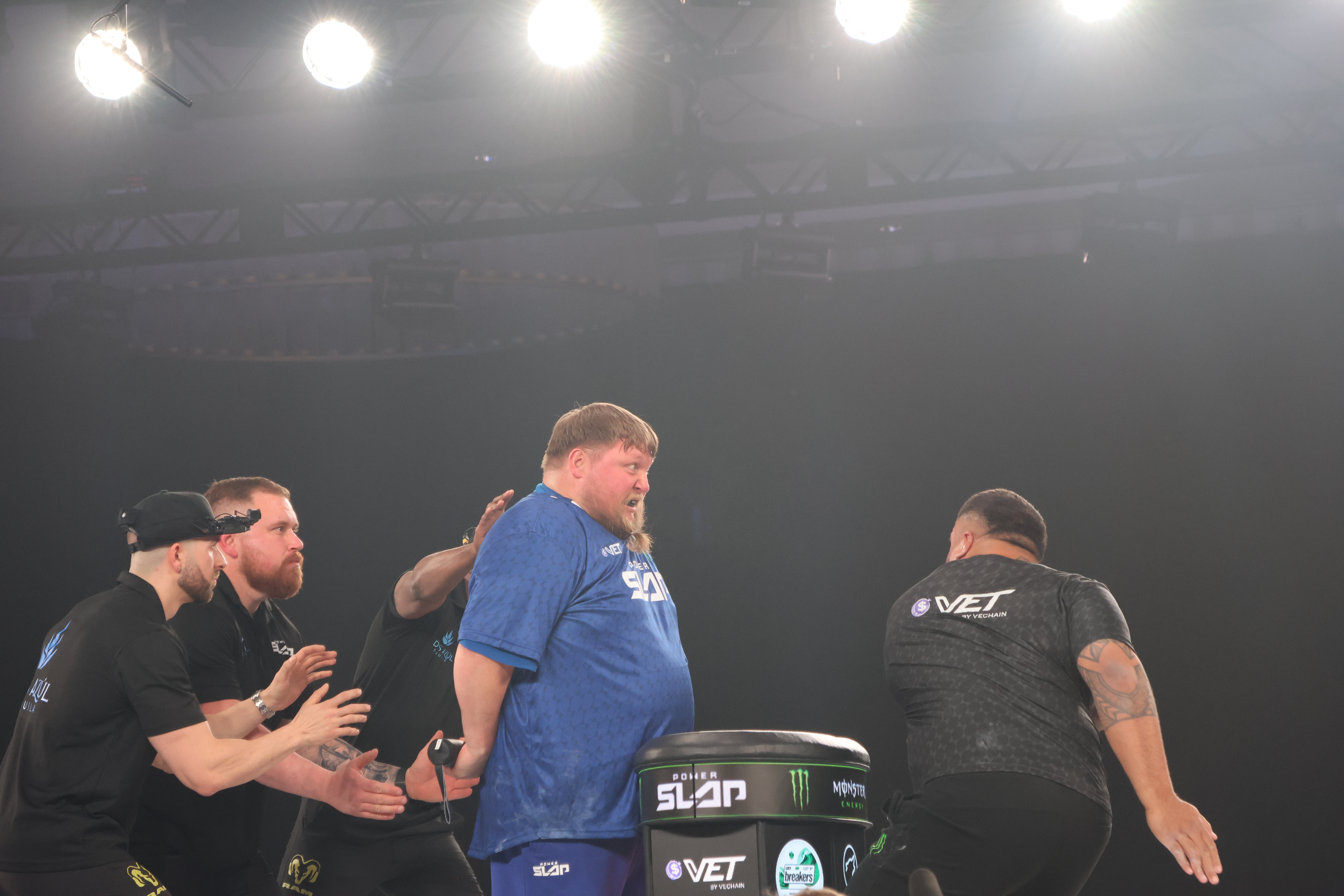
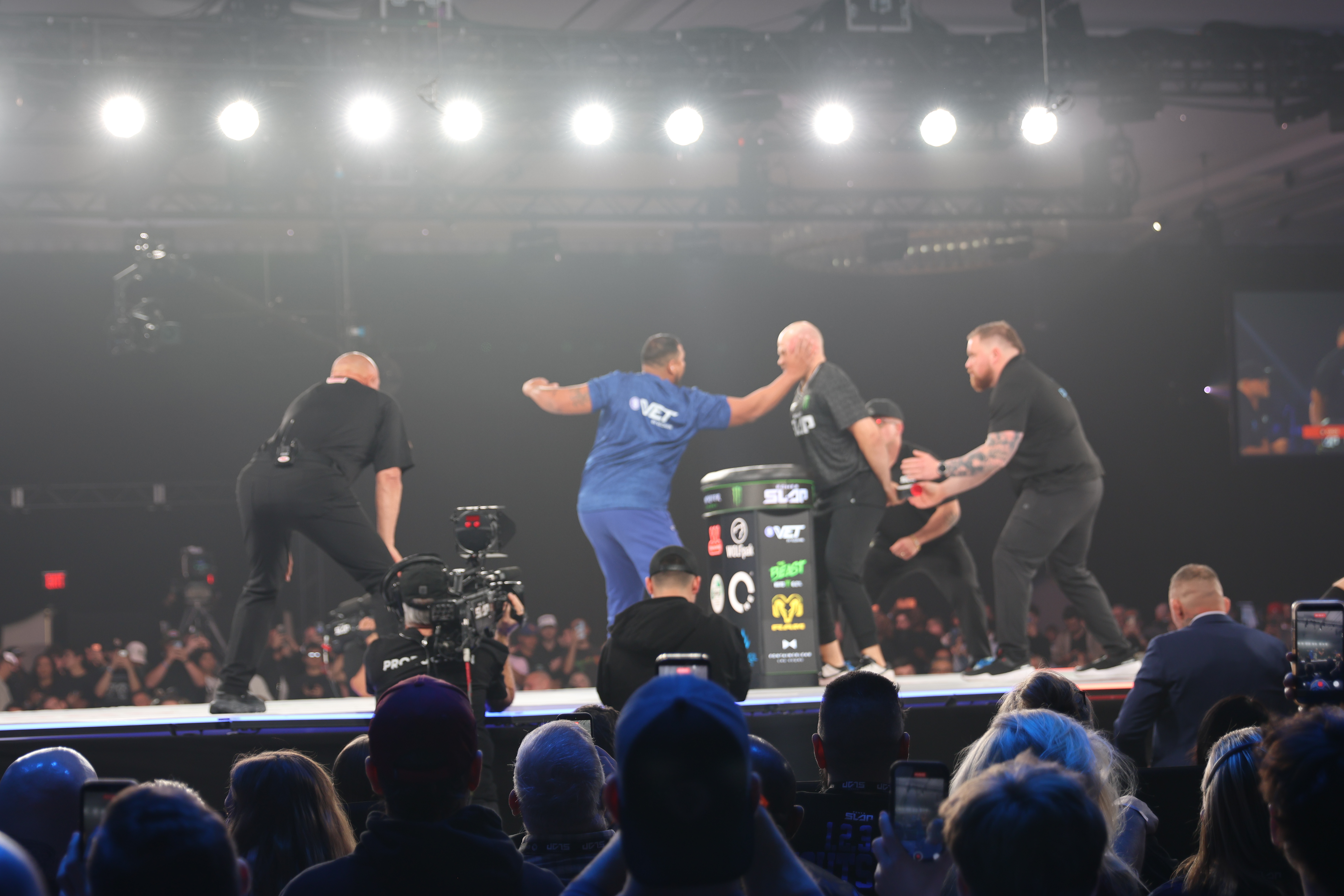
The rules of the game are simple– in an open palm combat, opponents would slap each other until someone got knocked out from the impacts of the blow or conceded defeat.
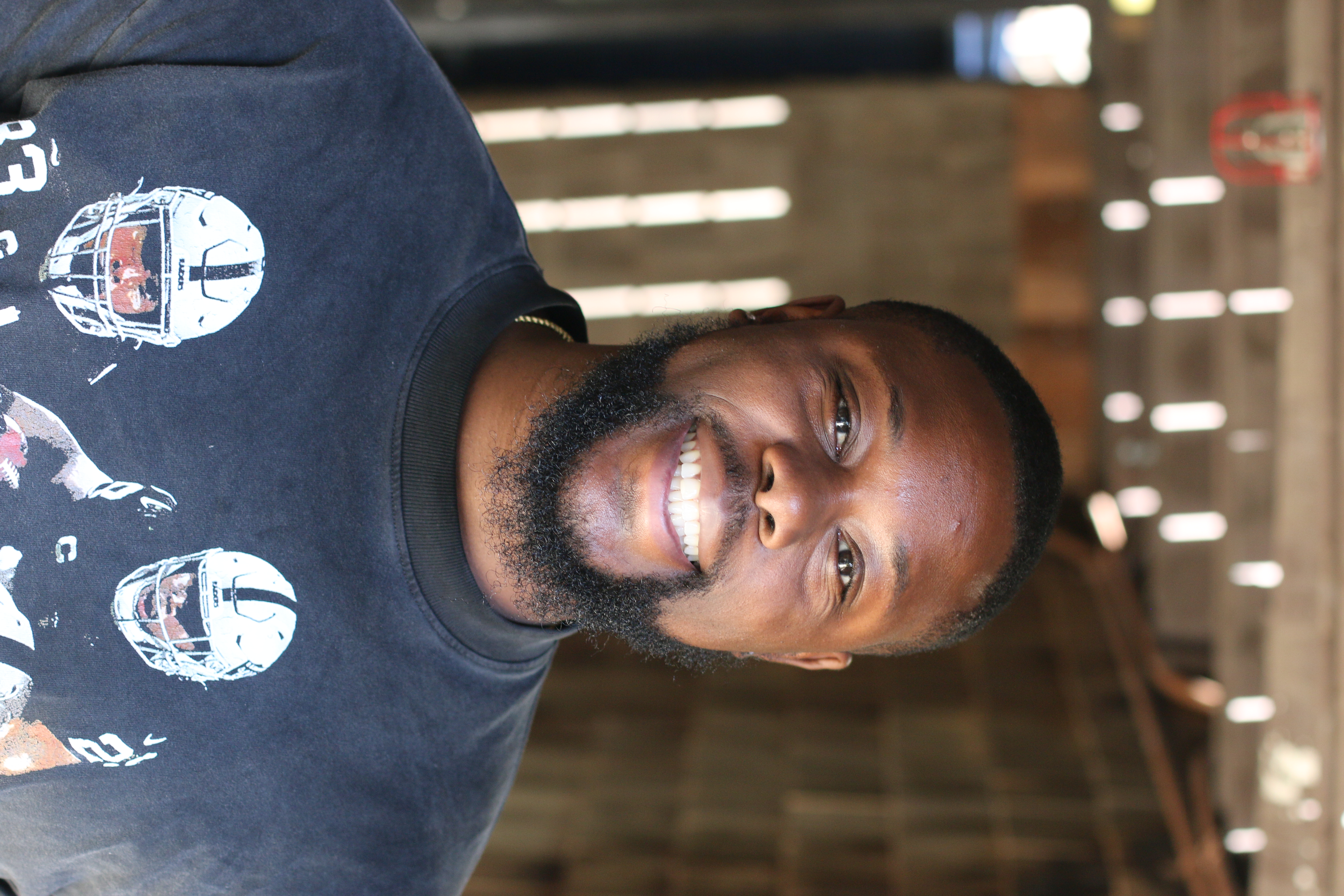
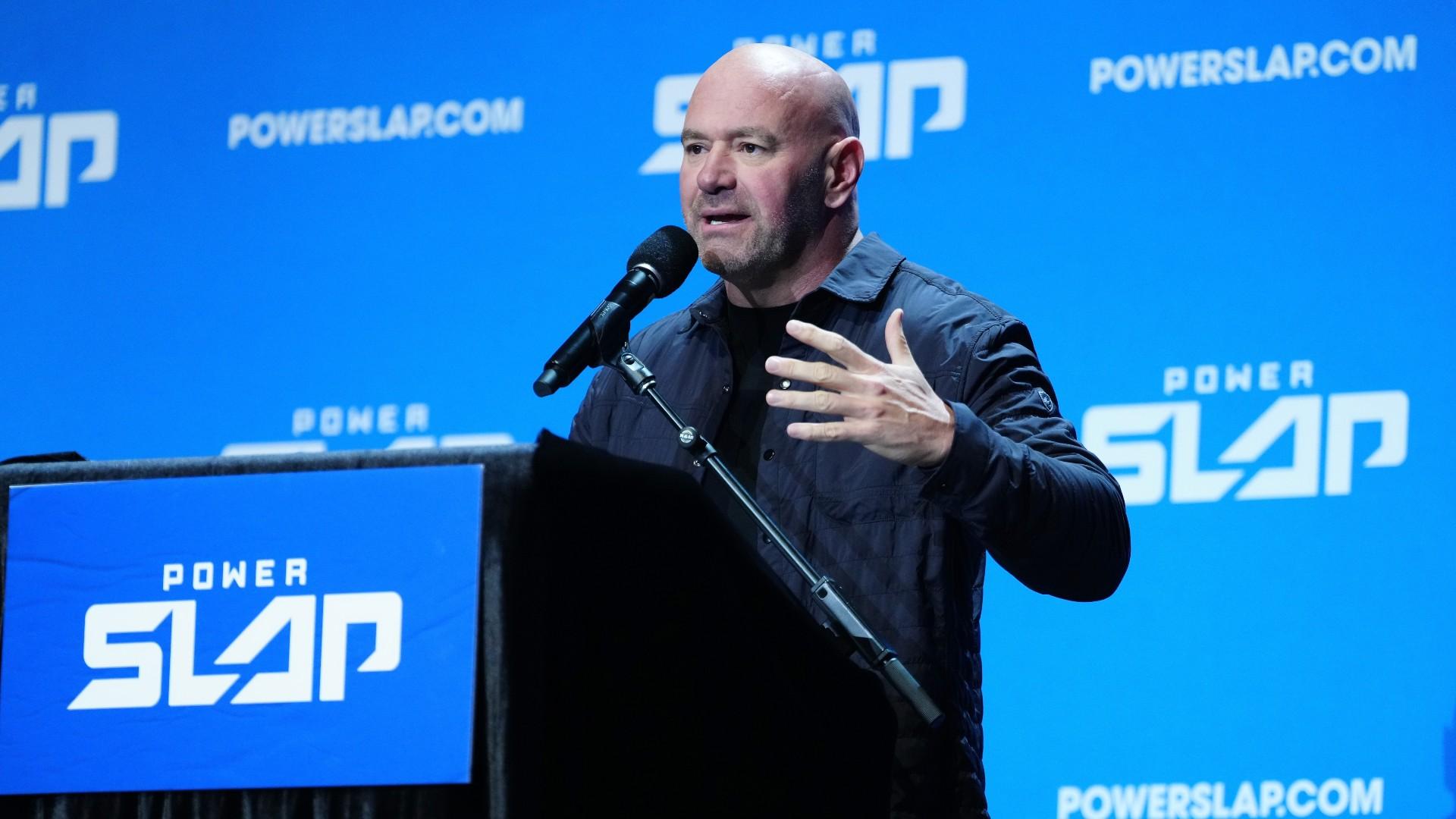
This was the only way a contestant could join Power Slap, a new slap-fighting competition launched in January 2022 by Dana White, UFC chairman and longtime friend of the president of the United States, Donald Trump. For Allan Kingbeil, 34, a Texan-born aspiring actor, this was his fast track to fame–even if it could kill him.
In an ongoing investigation that has spanned over the last year, more than a dozen interviews with athletes, insiders, and medical experts, the true impacts and dangers of this game founded by one of the top US sport moguls have begun to unravel.
What Kingbeil refers to as one of the greatest opportunities of his life began with a social media post by White on X, inviting interested fighters to sign up. “I must have been one of the first ten people to actually see it. And thanks to some of my cyber background, I was actually able to push an application through before anybody else could,” he said in an interview with IRP journalists.
Eight months later, Kingbell would receive an email for trials in one of Power Slap's dark matches, a non-broadcast, exclusive bout in Las Vegas.
“Something crazy happened. I saw Dana White, Michael Bisping, and then next to him was Mark Wahlberg, you know, and I just couldn't fathom where I was. In reality, I thought maybe I hit my head somewhere else or, you know, dreaming,” Klingbeil said.
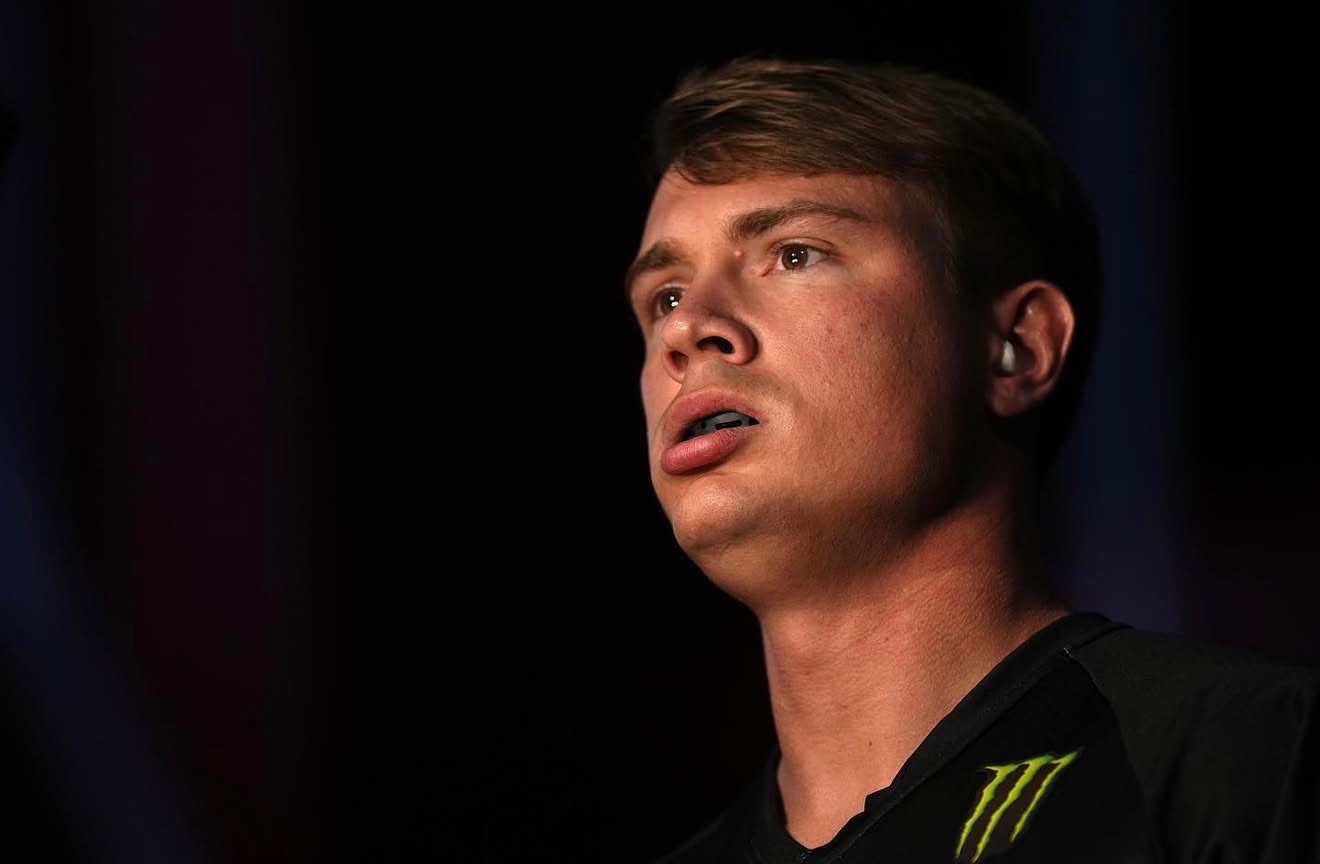
Kingbiel won the fight with a knock against his opponent, Joe Lindman, a repossession agent from New Jersey, earning him a spot in Power Slap–a world where he has become famous and recognized by the moniker “the Kryptonian”.
But buried in a 28-page promotional agreement, this sport White has valued at approximately $750 million to $1 billion with a following of over 10 million across its live-broadcast social media platforms, including YouTube and Instagram, are exploitative conditions that shift every ounce of risk on the fighter, leaving Power Slap almost completely insulated from any liability.
“So I mean the numbers are getting beefed up. They're definitely paying for their numbers.
— Terry Dunning
“I think they are exploiting the people that they know need the money, especially in the beginning said Terry Dunning, Power Slap social media influencer
Athlete understands that athlete may suffer injuries to the head, neck or spine; injury to muscular or skeletal systems; scratches, bruises, contusions, strains, sprains, falls, fractures; physical violence; loss and/or damage to sight, teeth or hearing; paralysis; concussions and traumatic brain injury and all of their short- and/or long-term effects, including without limitation brain damage, dementia, mood disorder, chronic traumatic encephalopathy, and/or cognitive impairment; short- and/or long-term disability; loss of income and/or career opportunities; serious injury; and/or death,
reads a section of the contract
Section XIV Assumption of Risk/Waiver Of ALL Claims
The company explicity acknowledges that the sport is dangerous and may cause temporary or permanent injury, including death. At the same time, it shifts all the responsibility for those risk, including those arising from its own negligence onto the athletes.
ABNORMALLY DANGEROUS
Athletes competeing in Power Slap are comepeting in an abnormally dangerous sport.
Long-Term Brain Damage
One of the risk the athletes take on is long-term brain damage.
According to legal experts, the language in the contractual document is intended to create a deliberate financial, medical, and legal distance between the company and the fighter. From medical costs to arbitration rules, these specific clauses and more in the contract reinforce that the athlete alone bears the consequences of injury, expense, or dispute, while Power Slap retains full control without assuming any responsibilities.
This separation is not incidental; it’s structurally designed to protect the company while exploiting the vulnerability of its participants with terms that refer to the fighters as “Independent contractors”.
“They get hit, and then they maybe bang their head across the podium there. and then hit the floor again, you almost have a three-impact in every slap, especially when they're getting knocked out,” explained Dr. Agarwal in an interview with IRP reporters.
For a sport that could potentially lead to several neurological damages and even death, according to a team of neurotrauma scientists, Dr. Nitin Agarwal and Dr. Raj Lavadi, at the University of Pittsburgh, Kingbeil had gone into that first slap fight without signing a contractual agreement yet with White.
Kingbeil had gone into that first slap fight without signing a contractual agreement yet with White.
While Kingbiel has gained recognition since joining Powerslap and a paycheck of at least $5,000 every time he showed up for a match, it comes with huge risks, including asphyxial episodes, one of which occurred in Las Vegas at Power Slap 18 in March.
“I don't want to speak disparity against my own sport, but I was hit in the neck last night. There's not much you can do about that. If they cut off the blood supply temporarily, like there's just. No, you can't beat that, right? Like the oxygen supply and the blood flow, it just causes you to blackout for half a second,” Kingbell said, showing the purple bruise that had formed under his neck during an exclusive interview with the IRP.
Within 20 minutes of stepping onto the slap stage to the spirited clamor of over 1,000 spectators, with double that number streaming live across multiple online platforms, Kingbell was hit with a slap, sending him face down onto the waist-length, hard-padded podium that separates fighters.
A peer-reviewed study by Dr. Agarwal and Lavadi analyzed 333 slaps across 78 Power Slap bouts and found concussion-related symptoms in nearly 30% of slaps and over half of all slap sequences.
The results showed that 78.6% of athletes exhibited at least one sign of neurological trauma, with repeated secondary impacts observed as competitors struck podiums and floors following initial blows.
1 / 3
A noticeable pattern, said Dr. Lavadi, is that the fighter associates the adrenaline rush of being hit and does not fully grasp the intensity and danger of engaging in the Power Slap.
White has since rejected the medical community's concerns, calling them ‘attention-seeking’.
White has a history of legal conflict, including a prior court ruling that awarded former UFC fighters who accused him and the UFC of using illegal monopoly and monopsony power to dominate mixed martial arts (MMA) the sum of $375 million settlement.
This work is part of an ongoing investigation into the world of Power Slap by journalists as part of the Investigative Reporting Project–2026 Cohort.