
Bye Bye Birdies
Six years after scientists reported that billions of birds vanished from the North American landscape since 1970, conservationists are still racing to reverse catastrophic losses that show no sign of slowing down.

By Riley Ramirez
UC Berkeley Graduate School of Journalism
May 5, 2026
The sun has barely risen on a below freezing, cloudless January day when research scientist Jessie Reese and other researchers from Bird Conservancy of the Rockies pull off onto a dirt track in the Chihuahuan Desert.
It’s their ninth consecutive day of searching for four grassland bird species facing significant population declines.
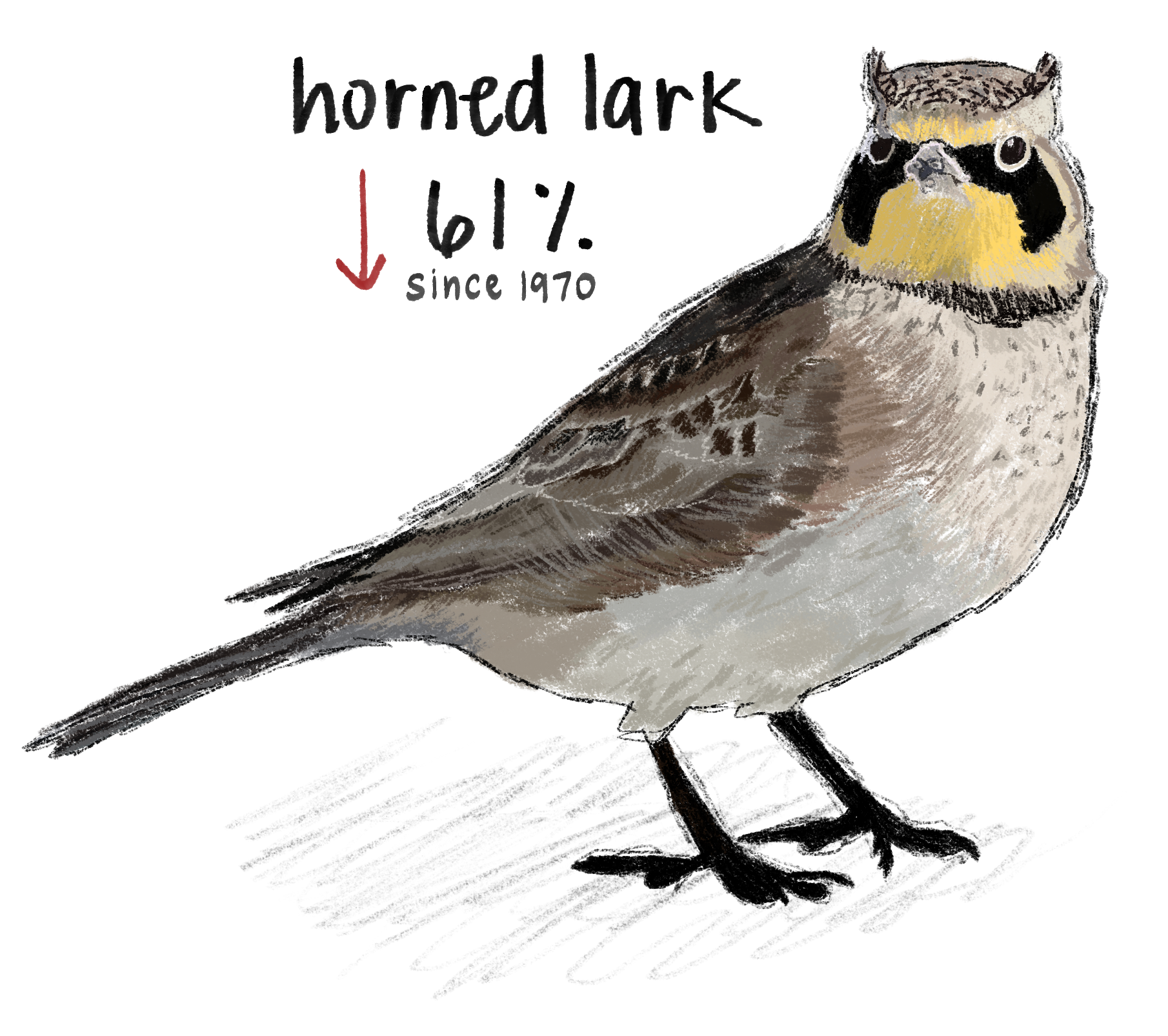
The team of biologists followed these tiny songbirds to their New Mexico wintering grounds in order to study the threats they are facing, as over the half century, each species has lost between 60 to 70 percent of their populations.
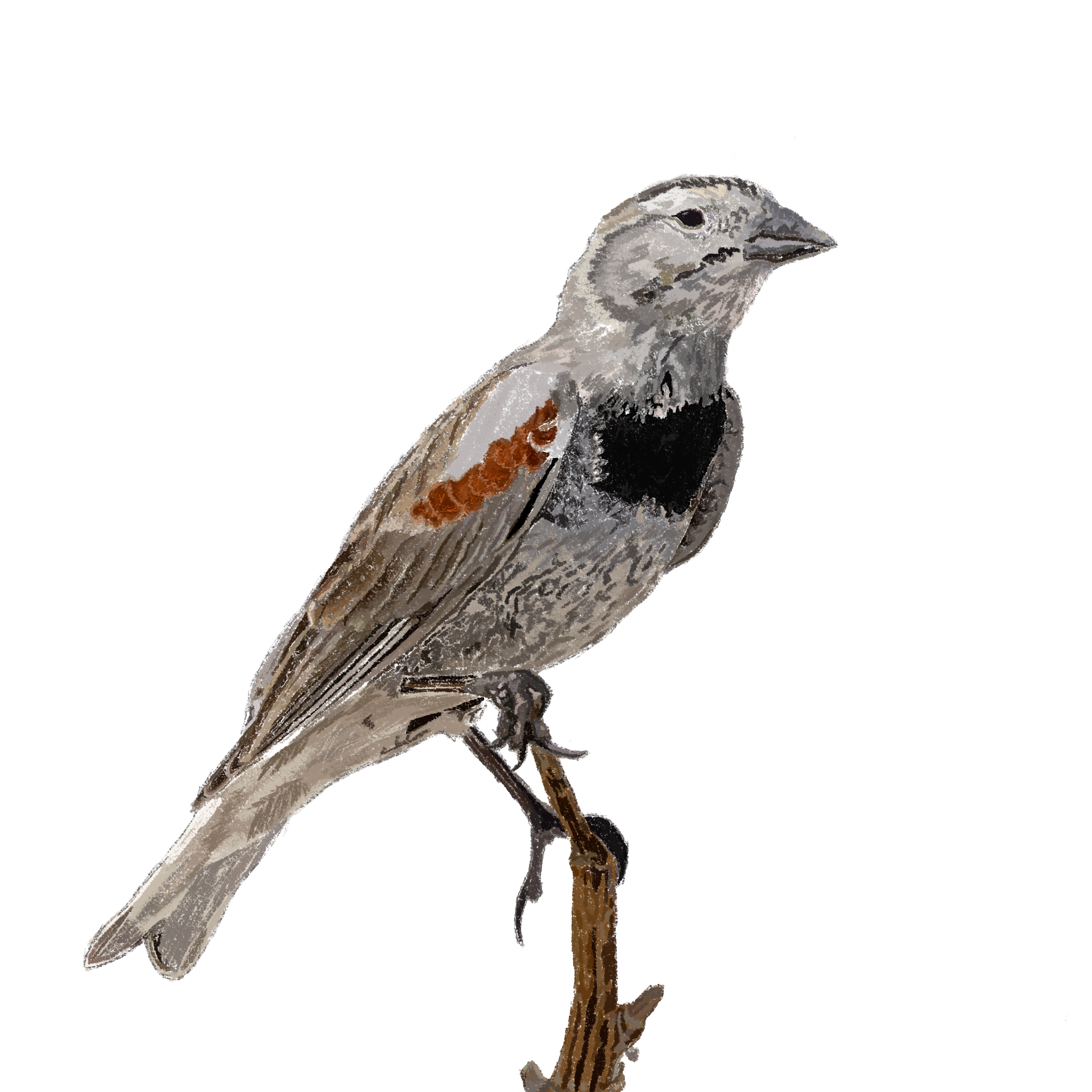
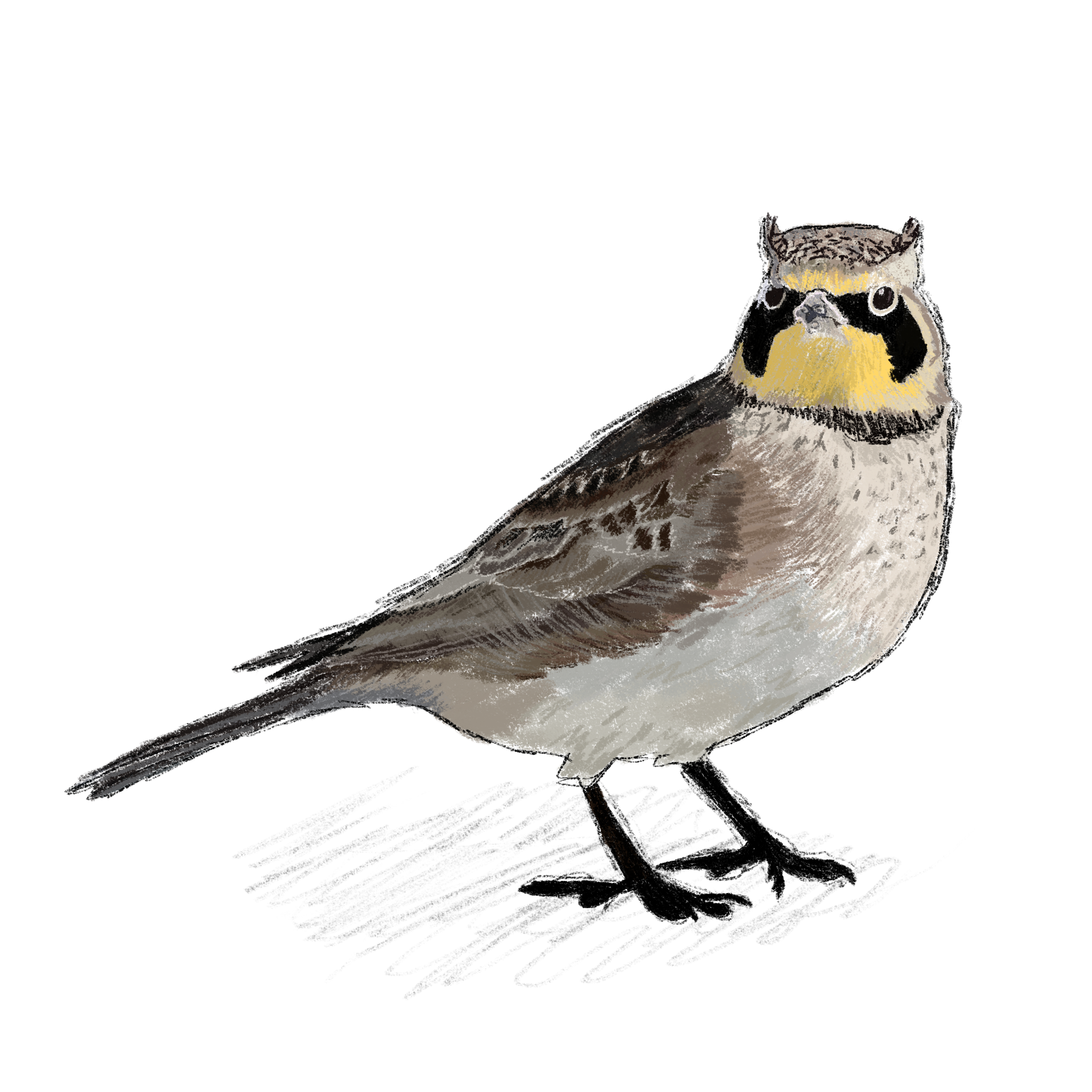
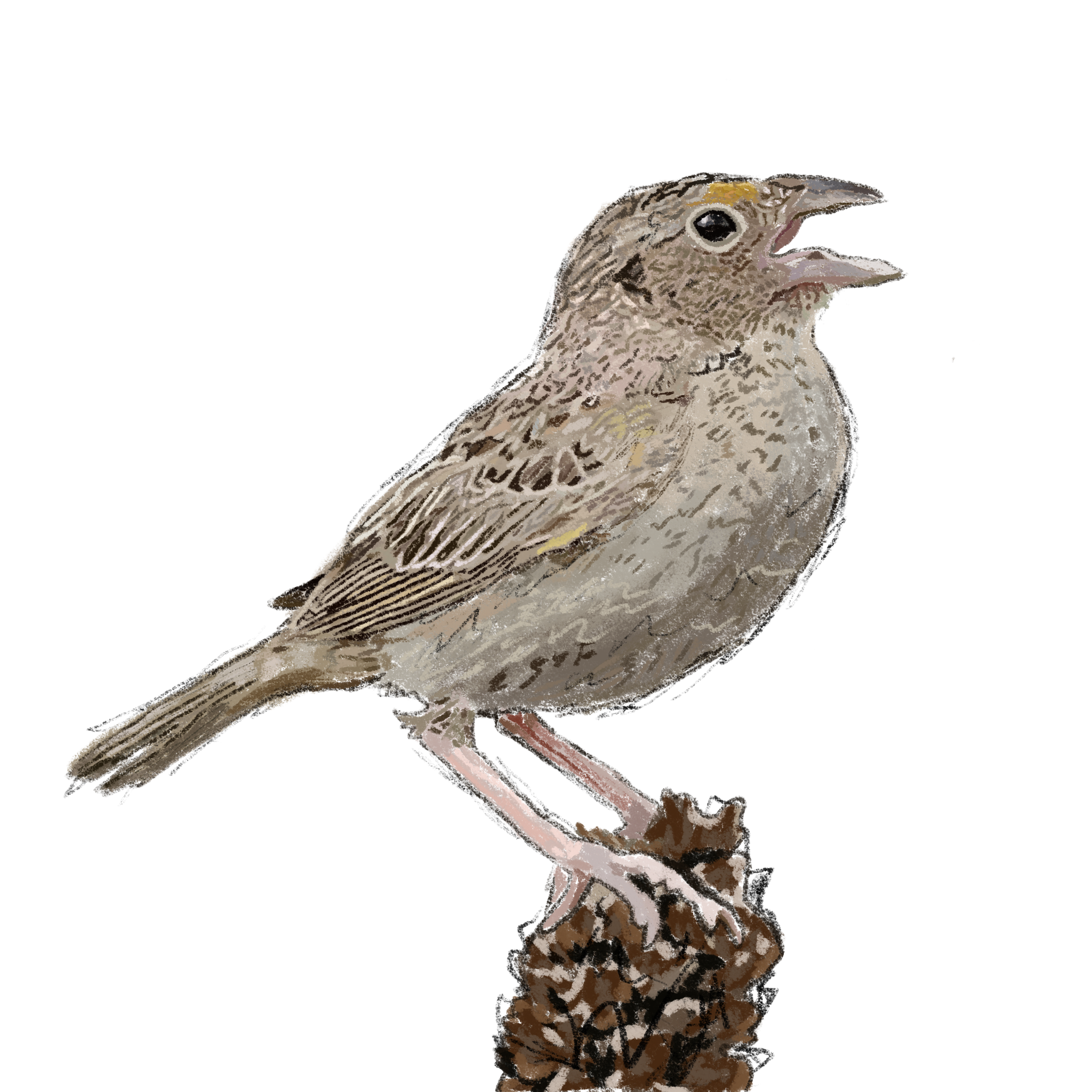
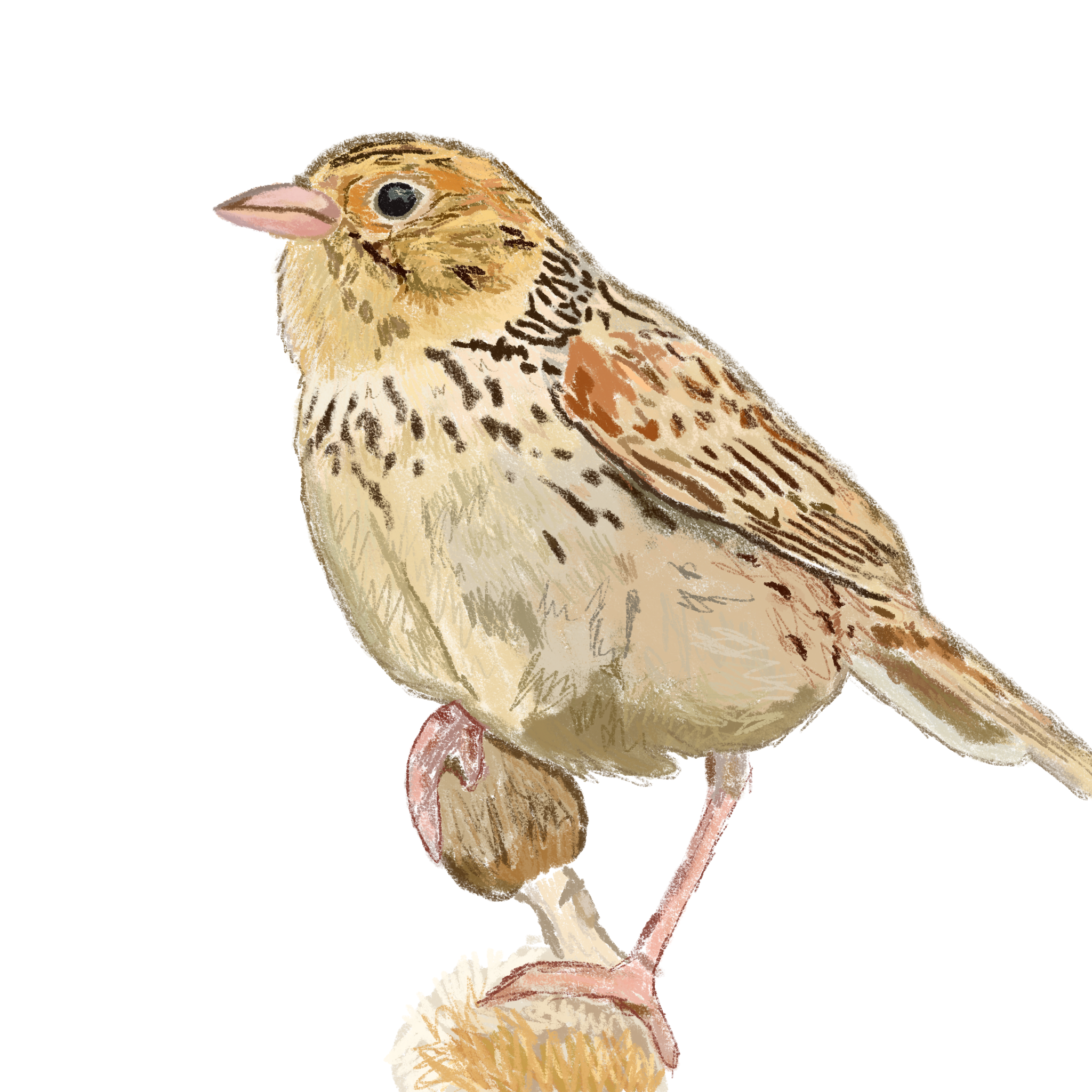
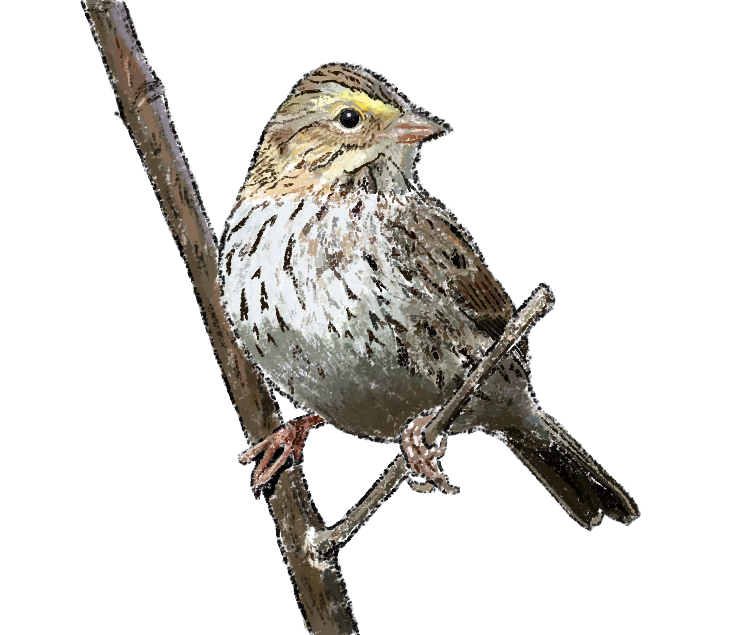
As they near their worksite, Reese and avian ecologists, Nick Haddad and Kylie Lamoree, poke their heads out of the truck windows, carefully scanning the golden and dusty-green grasses for chestnut-collared longspurs, horned larks, grasshopper sparrows and Baird's sparrows. 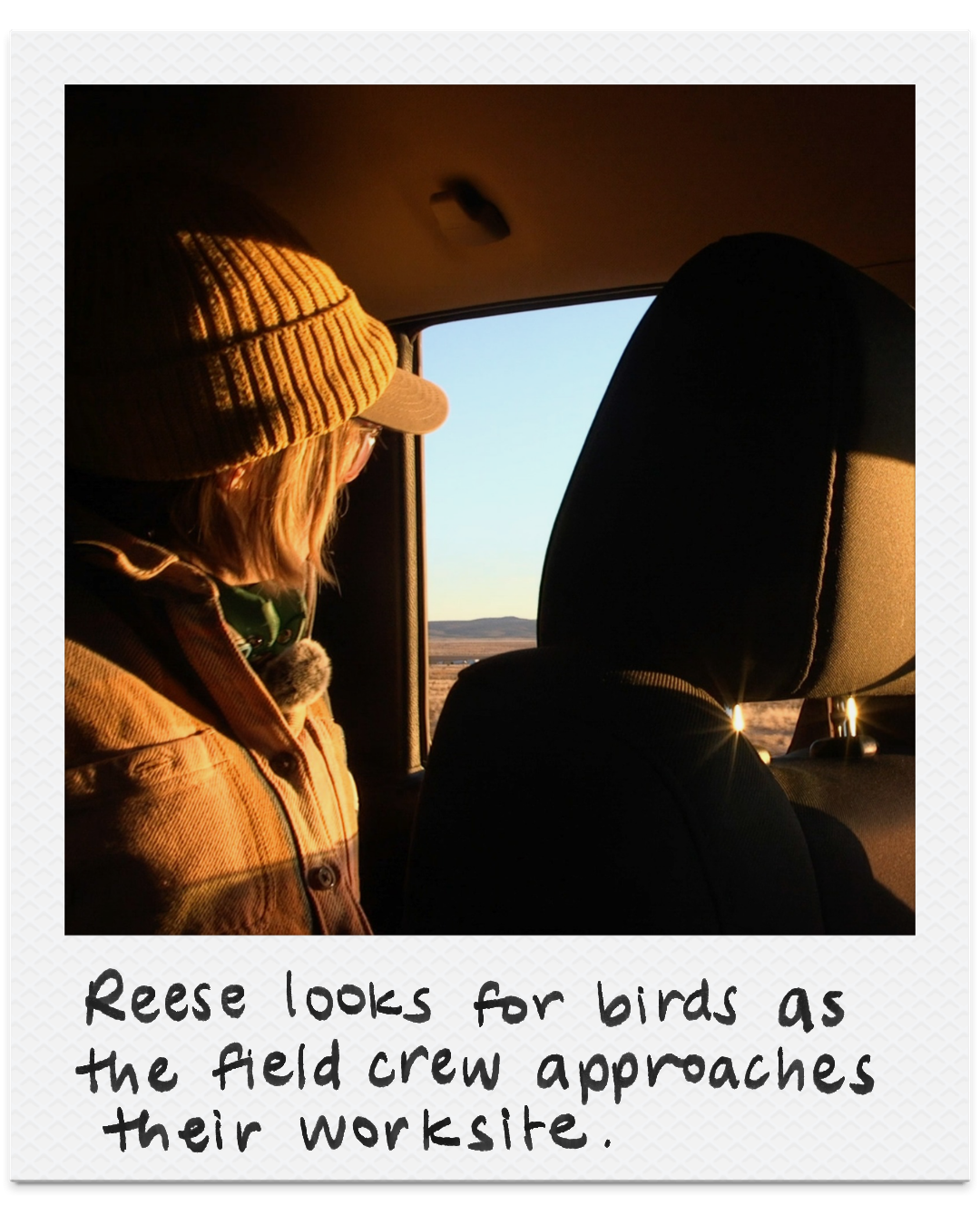
Reese started out studying birds in a similar fashion — with her head out of a car window, more than 15 years ago.
She became interested in researching birds after taking an ornithology course in college where her professor would load students up into a 12-passenger van at 7 a.m. and drive around the county looking at birds.
"My eyes were open to an entire world that I had no idea existed," Reese said.
But that world is currently threatened as across North America, grasslands and the birds that depend on them are rapidly vanishing, data shows.
Despite their unassuming appearance — often distinguished by muted colors such as brown, white or gray to help them blend in with the landscape — these ground-dwelling birds are vital to the health and sustainability of the Great Plains, providing essential ecological services such as pest control, seed dispersal, nutrient cycling and pollination.
More than half of the North American bird species dependent on grasslands for breeding are in steep decline. And those declines are accelerating, according to a recent study in the journal Science.
The decrease in birds coincides with a dramatic change in open grasslands, which is being converted into farmland at a rate of nearly 800,000 acres per year, according to a Berkeley Journalism analysis of the U.S. Geological Survey National Land Cover Change data. As a result, over 30 million acres have been lost in the last four decades, which is roughly equivalent to the size of New York.
Climate change and cuts to laws and governmental funding that protect birds and their habitats has exacerbated the downward trend of grassland bird populations.
And because in the past scientists almost exclusively studied these species on their northern breeding grounds, a lack of understanding about the long distance movements and survival of grassland birds posed significant challenges in creating effective and long-lasting conservation practices.
To address this, researchers started investing in a tracking system to fill in the gaps and help them to assess where to focus conservation efforts and how to strategically recover species.
“Grasslands are the lifeblood of the central part of the U.S. and if they disappear, then this landscape will be drastically altered,” Brandt Ryder, chief conservation scientist at Bird Conservancy of the Rockies, said.
Reese, who has led Bird Conservancy’s Migratory Ecology Program since January 2025, is one of many conservation professionals racing to figure out how to stall this looming extinction crisis.
Started in 2020, the ecology program aims to grow understanding of grassland bird migration across the Great Plains, but especially in the Chihuahuan Desert, which has been relatively understudied. 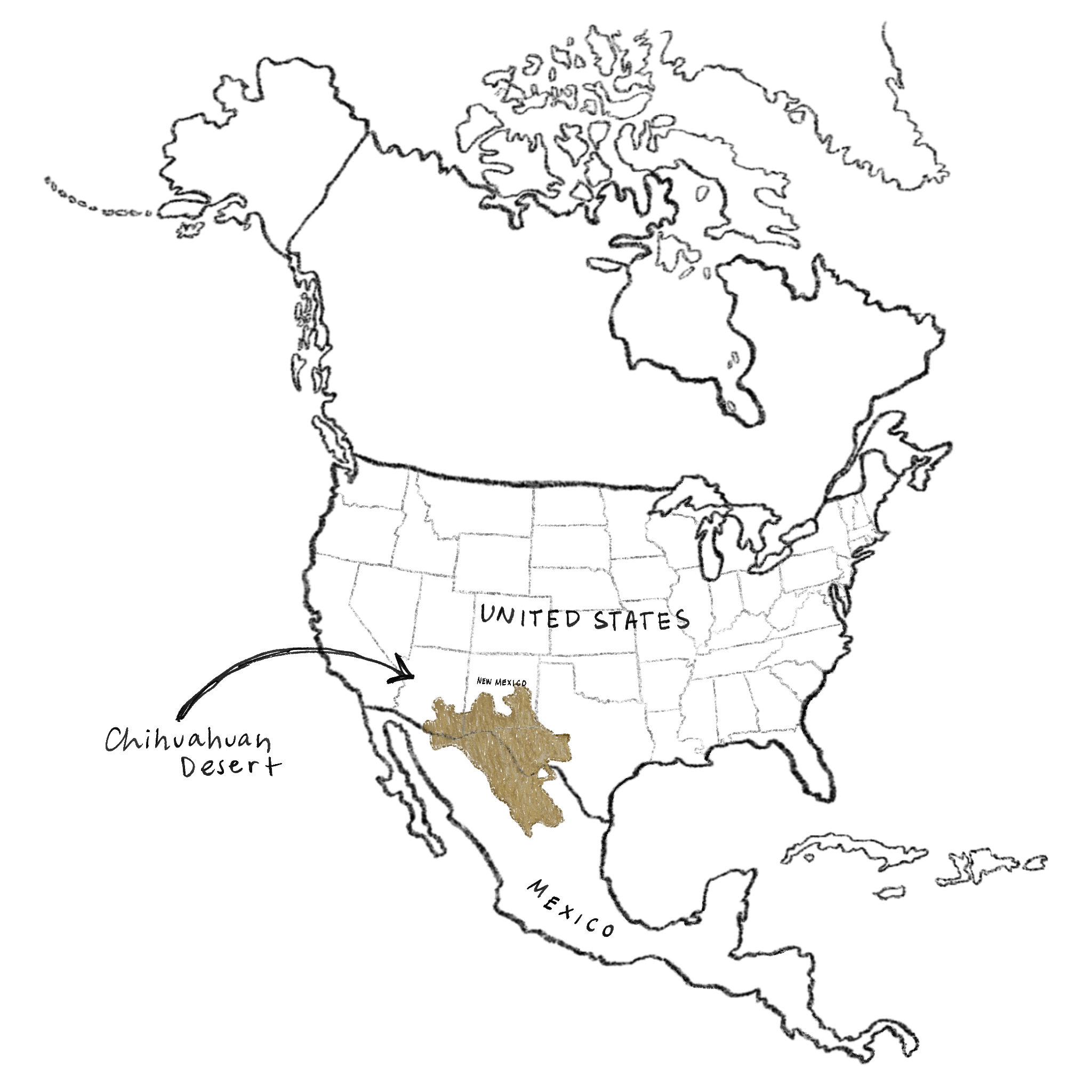
For the past three winters, field crews from the conservancy have traveled to New Mexico to tag and monitor grassland birds on their non-breeding grounds using Motus technology.
The Motus Wildlife Tracking System, started in 2014 by Birds Canada, is a global collaborative network of automated telemetry stations that allows researchers to study the movements of small animals tagged with radio transmitters. Prior to 2020, there was a significant lack of Motus stations in the Great Plains and longstanding research on grassland birds had mostly been conducted on the breeding grounds.
“Bird Conservancy has really helped the Motus Network grow in the Great Plains and the Chihuahuan Desert,” Reese said. In the past five years, the organization has installed over 100 radio towers and tagged almost 400 grassland birds.
By studying these birds in both their breeding and wintering grounds, the researchers can better determine where these birds might be facing the most stress.
“The work that we’re doing is important for conservation of birds like the chestnut-collared longspur because before we can go out and try to conserve or better manage habitat, we have to understand what is causing these bird populations to decline in the first place,” Reese said.

Through the long-term collection of data on bird abundance, distribution and behavior, scientists can track how populations are changing and identify environmental factors impacting species.

Mist nets are used to capture small songbirds. The nearly invisible, loose netting allows for researchers to temporarily and safely trap birds for banding, research and monitoring.
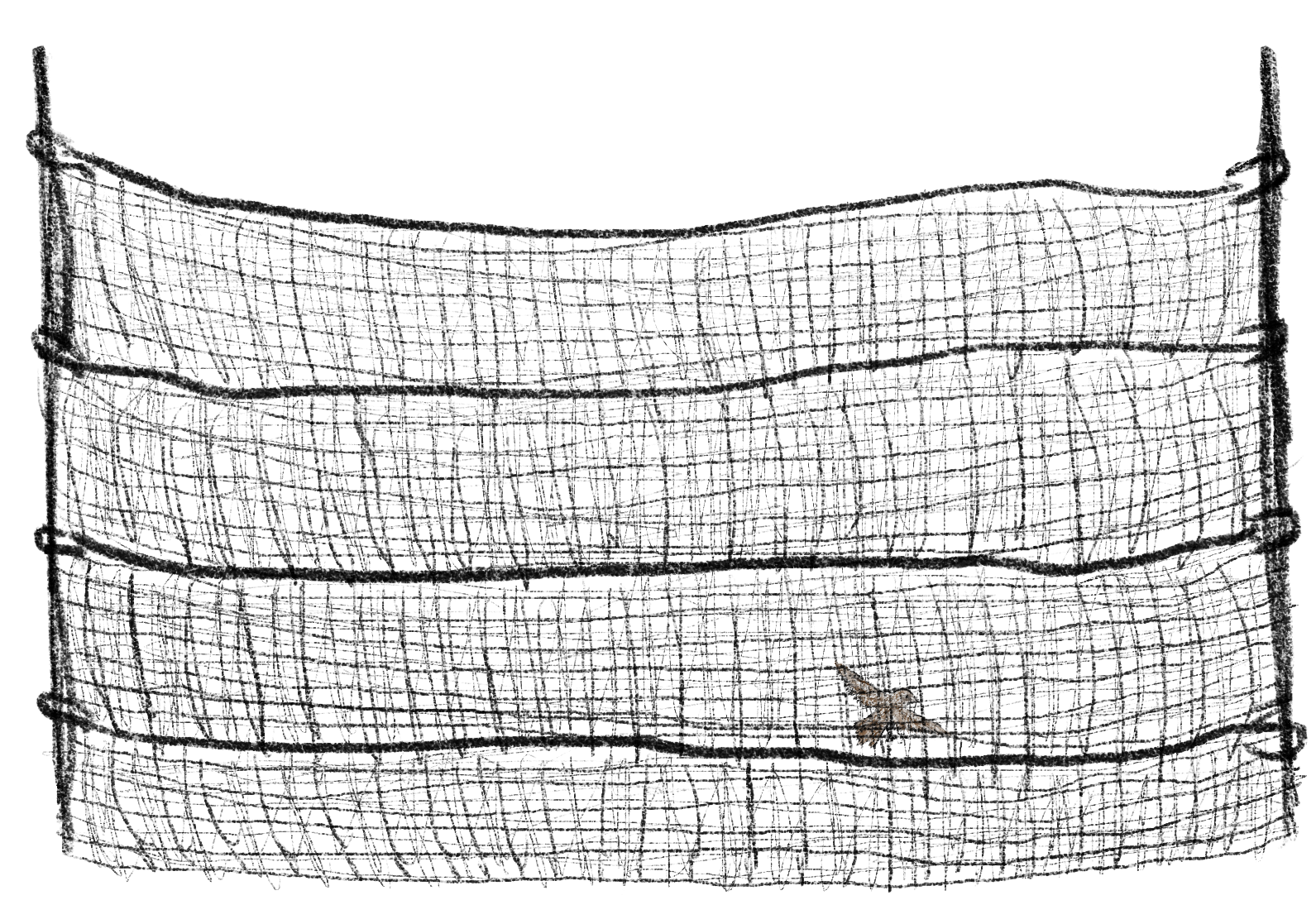

Strategies for catching birds differ depending on each species’s behavior.
For birds that stay close to the ground, flush netting is used. Researchers move through the habitat towards the nets to startle birds out from the brush. For other birds that may flock and land in a clearly defined space, nets can be positioned in specific locations where researchers wait for birds to trap themselves.
Success can vary on the day and location, so both methods often require multiple attempts and a degree of patience.
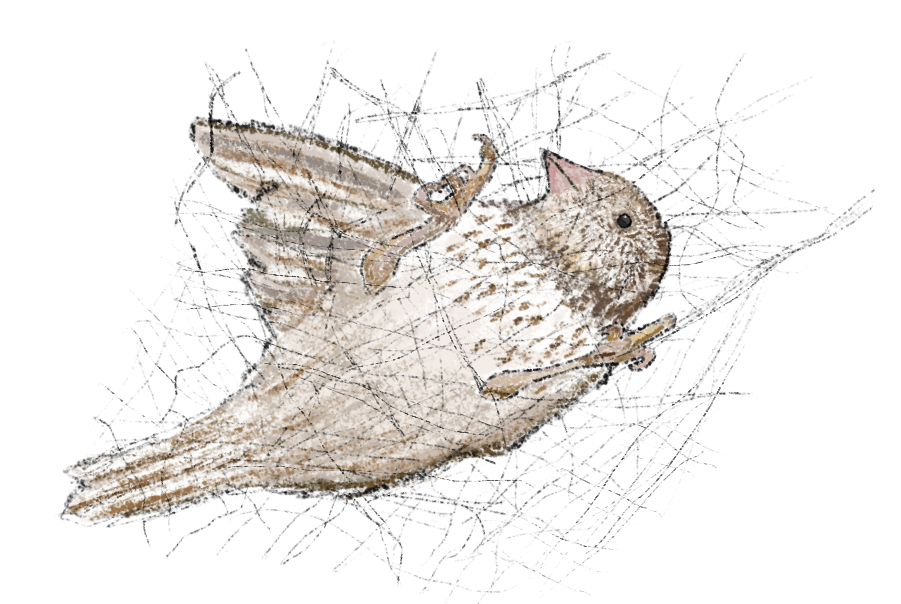

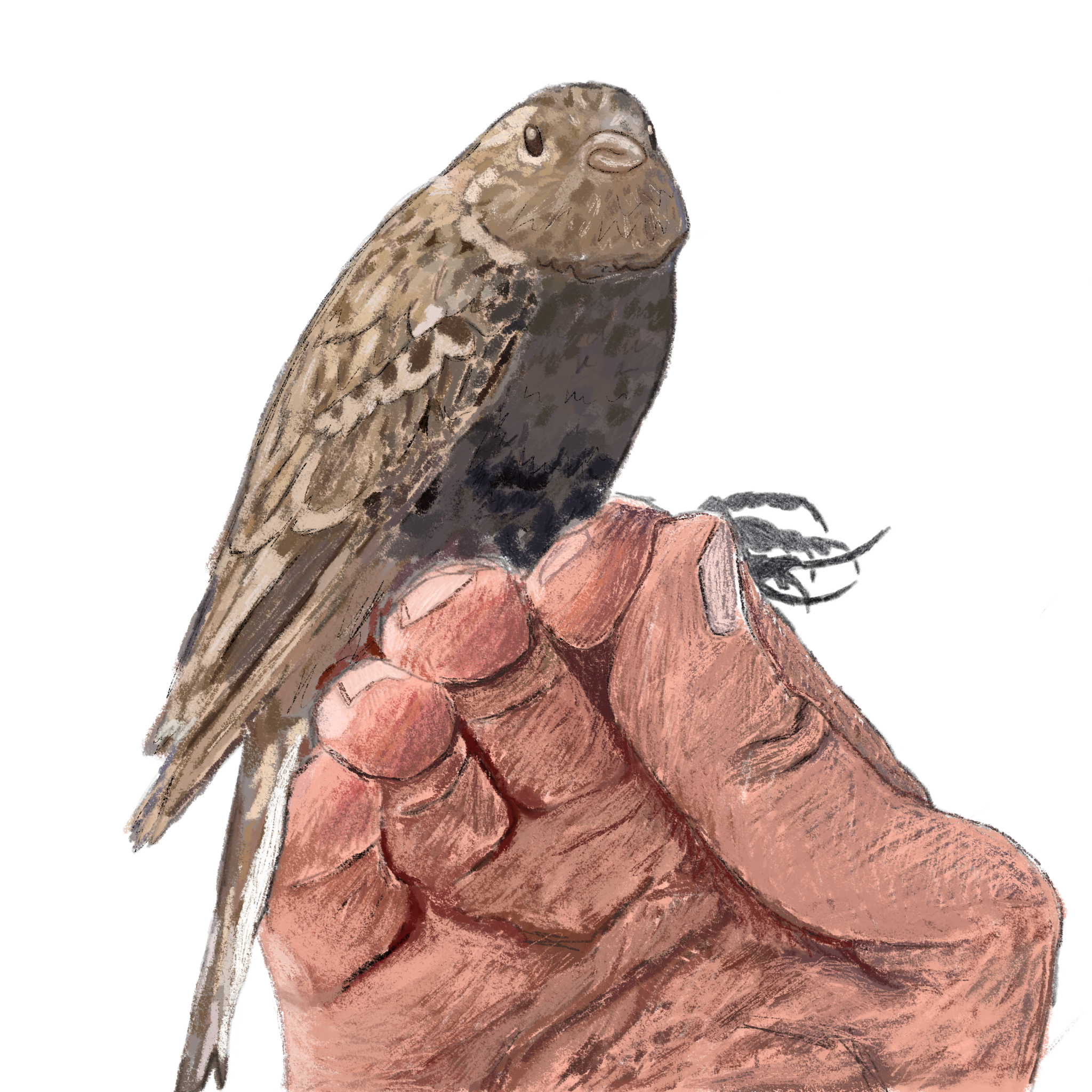
After a target species is captured, researchers record data on the bird’s age, sex, weight, muscle and fat content, wings, tail and feathers.
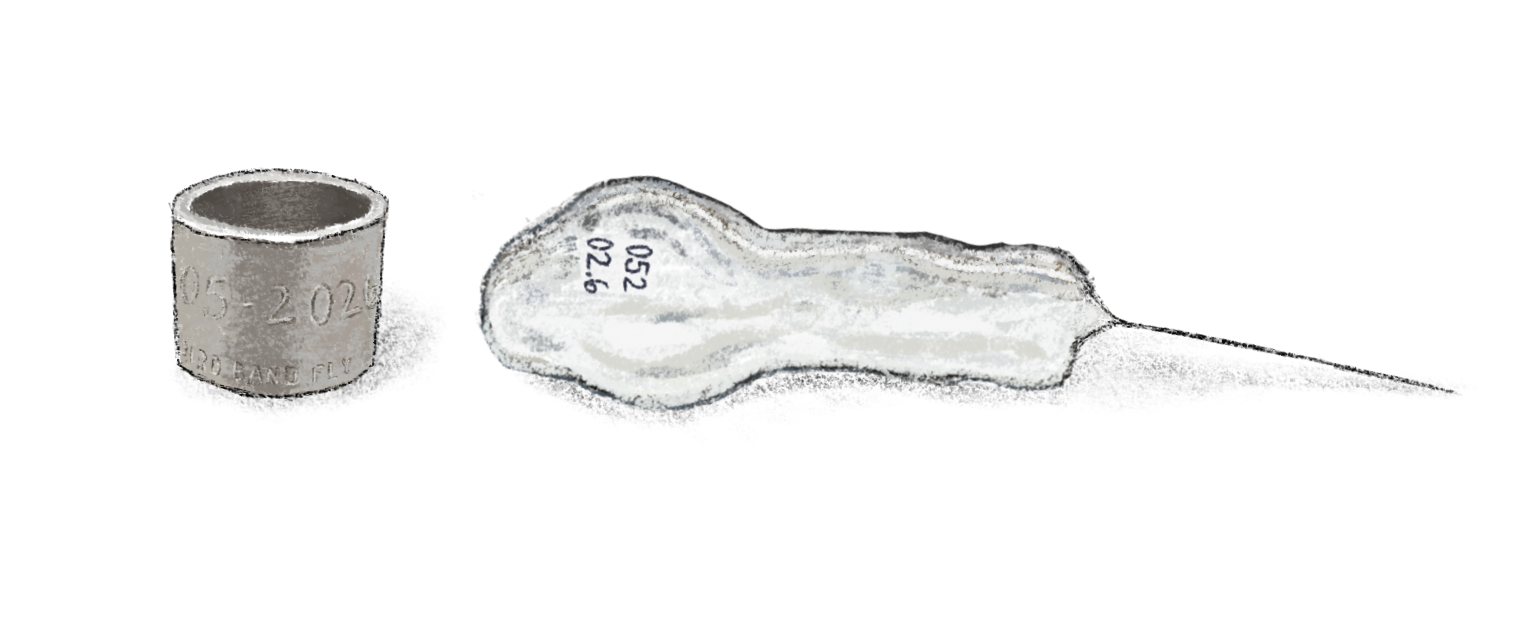
They attach a small, individually numbered metal band onto the bird’s leg, which allows for researchers to understand more about the bird’s life if it were to ever be recaptured.
After banding, a Motus tag, which sits like a tiny, lightweight backpack between the bird’s wings, is secured to the bird before release.

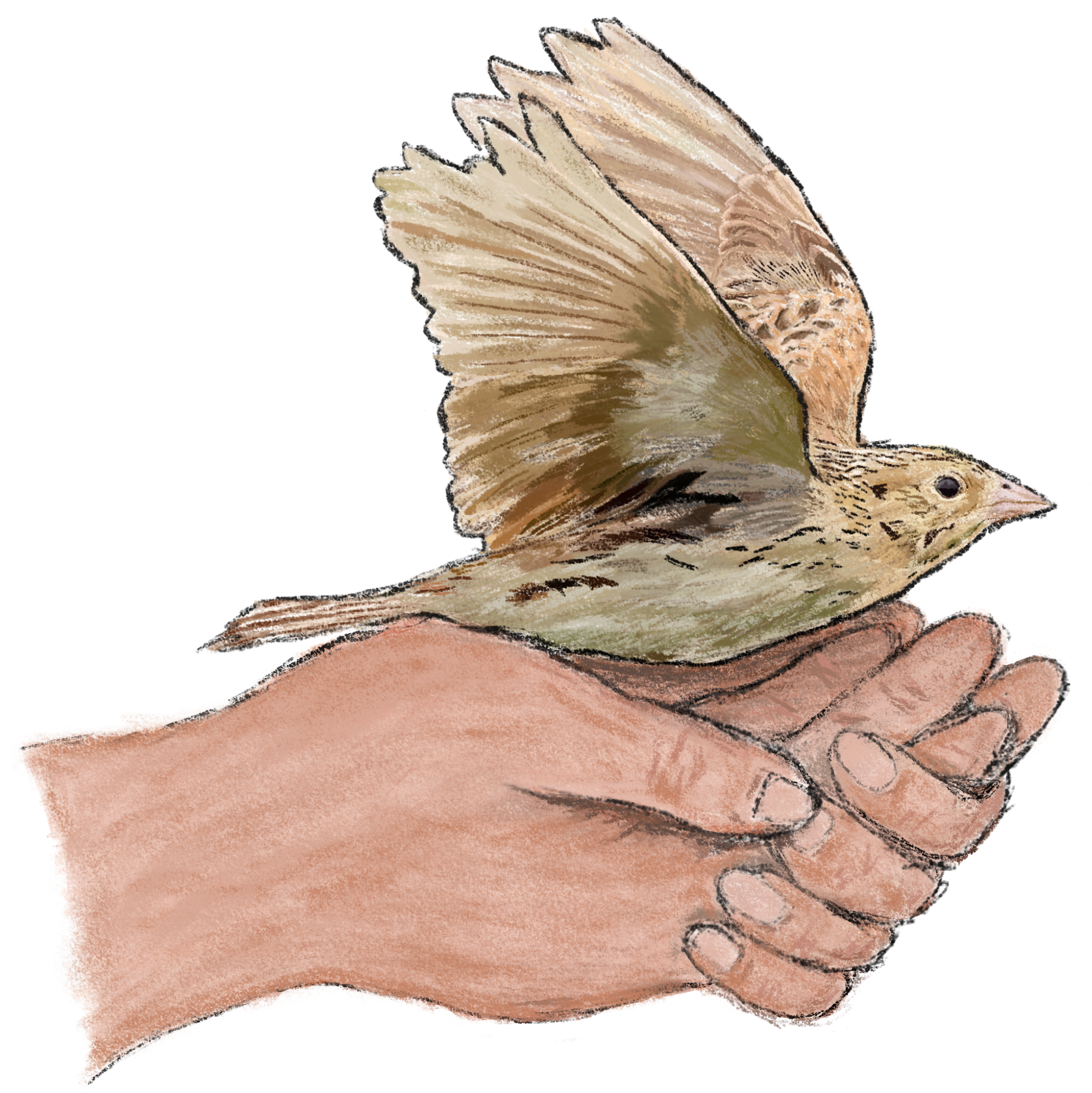
Once data is collected and tagging is complete, the birds are ready for tracking and safely released back into their habitat.
With tags attached, as these birds move across North America, researchers can track any time they fly within 10 to 15 kilometers of a Motus station. This data helps them to better understand a bird’s migratory life cycle and determine where to focus conservation efforts.
Through the long-term collection of data on bird abundance, distribution and behavior, scientists can track how populations are changing and identify environmental factors impacting species.
Mist nets are used to capture small songbirds. The nearly invisible, loose netting allows for researchers to temporarily and safely trap birds for banding, research and monitoring.
Strategies for catching birds differ depending on each species’s behavior.
For birds that stay close to the ground, flush netting is used. Researchers move through the habitat towards the nets to startle birds out from the brush. For other birds that may flock and land in a clearly defined space, nets can be positioned in specific locations where researchers wait for birds to trap themselves.
Success can vary on the day and location, so both methods often require multiple attempts and a degree of patience.
After a target species is captured, researchers record data on the bird’s age, sex, weight, muscle and fat content, wings, tail and feathers.
They attach a small, individually numbered metal band onto the bird’s leg, which allows for researchers to understand more about the bird’s life if it were to ever be recaptured.
After banding, a Motus tag, which sits like a tiny, lightweight backpack between the bird’s wings, is secured to the bird before release.
Once data is collected and tagging is complete, the birds are ready for tracking and safely released back into their habitat.
With tags attached, as these birds move across North America, researchers can track any time they fly within 10 to 15 kilometers of a Motus station. This data helps them to better understand a bird’s migratory life cycle and determine where to focus conservation efforts.
Most endangered, least protected
Despite being among the most endangered ecosystems in the U.S., grasslands are the least protected, according to the U.S. Fish and Wildlife Service. Sixty-two percent of the North American grassland biome has been lost due to agricultural conversion, woody-plant invasion, drought and other climate change-related stressors.
“Most people think of grasslands as a wasteland. They think if we need to protect something, we should be protecting the rainforest,” Ryder said. “But grasslands probably are more important in many ways than the rainforest for many reasons.”
One of those reasons being that most of the nation’s food comes from grasslands. Roughly a quarter of all U.S. crops and half of the country’s beef cattle are grown in the Great Plains, creating tension between birds and the country's agricultural needs.
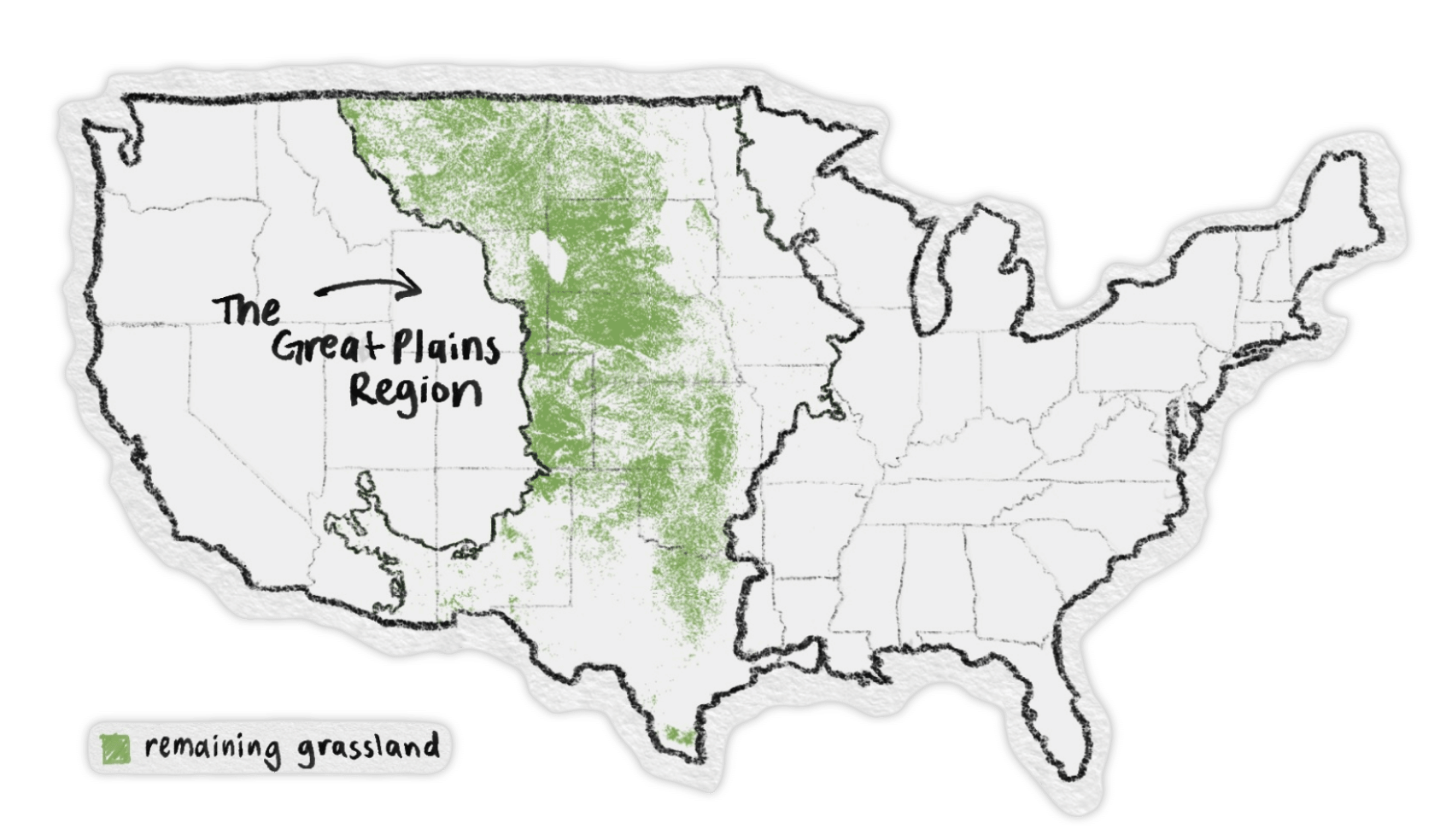
Continued loss of this land would reduce carbon sequestration, diminish pollinator habitat and reduce soil quality and moisture retention. This has lasting implications not only for birds, but also for the U.S. food supply, as worsening environmental conditions will negatively impact crop yields.
As climate change triggers rising temperatures, shifts in precipitation patterns and more frequent extreme weather events such as drought and wildfires, the loss of healthy grasslands for birds and agriculture falls into an intensifying spiral that could result in a modern day Dust Bowl.
“Grasslands are essential for the economic livelihoods of millions of people across this geography and so we have all these reasons why we need to protect and restore them,” Ryder said.
In the Northern Great Plains states, roughly 1.2 million acres of grasslands have been converted to farmland since 2020, according to the university’s analysis.
One of the places Bird Conservancy determined as a high conservation priority through its models created using data from Motus and various other sources is the Prairie Pothole Region of the Northern Great Plains.
The Prairie Pothole Region consists of a mixture of depressional wetlands and prairie habitat that are used as breeding grounds for up to 50 percent of North America’s duck and waterfowl populations, as well as several grassland species.
Of all bird types, water birds have managed to increase their populations. It has given scientists some hope.
However, in recent years, their numbers have also been in decline due to widespread drought in prairie potholes. Experts hope the numbers will rebound like they have historically, but they worry that if they don't, it could also mean that grassland birds will suffer even more.
“Some birds can only survive in grassland, so if you lose the grassland, they have nowhere to live,” Nicole Michel, Audubon director of quantitative science, said. “If this continues, we will lose a lot of birds.”
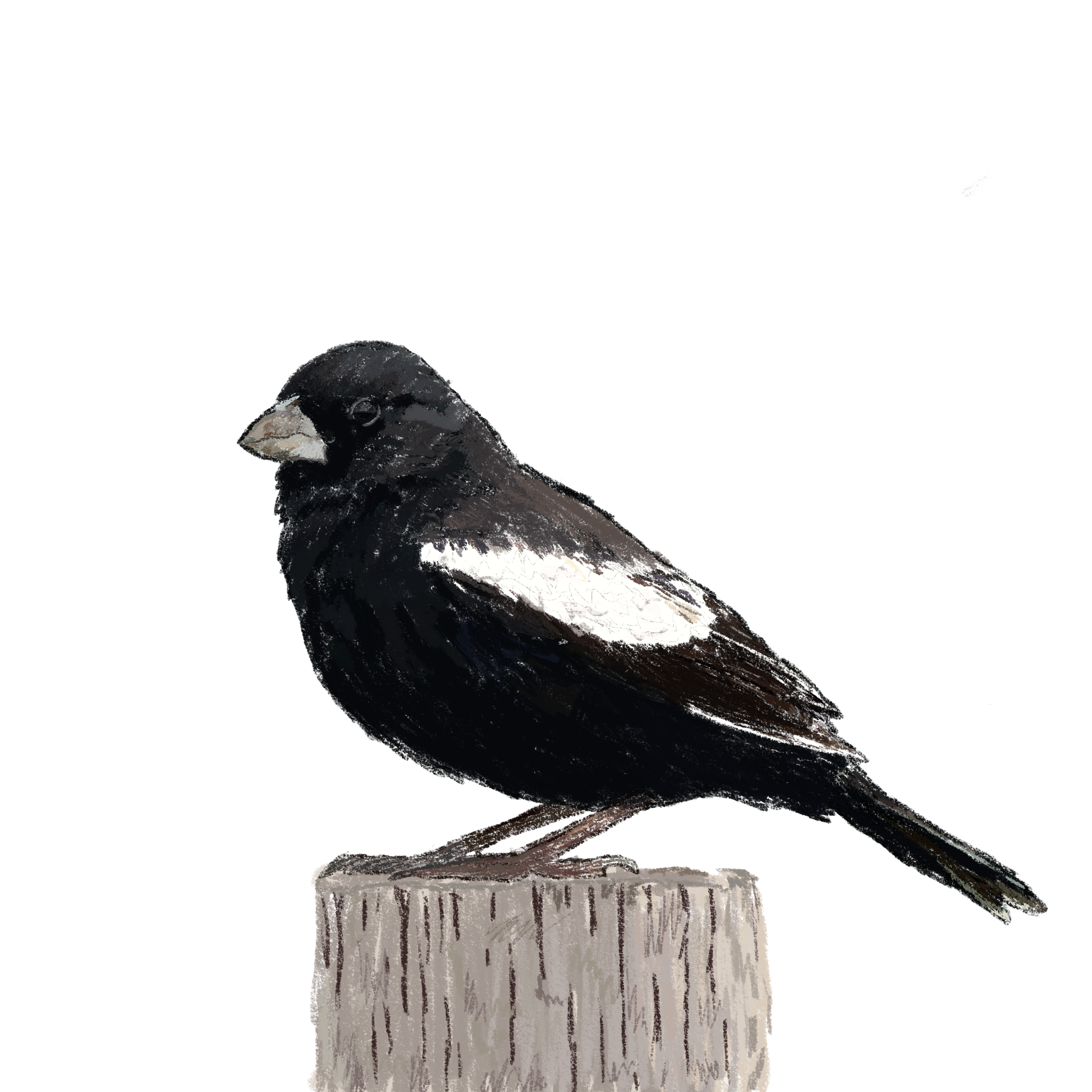
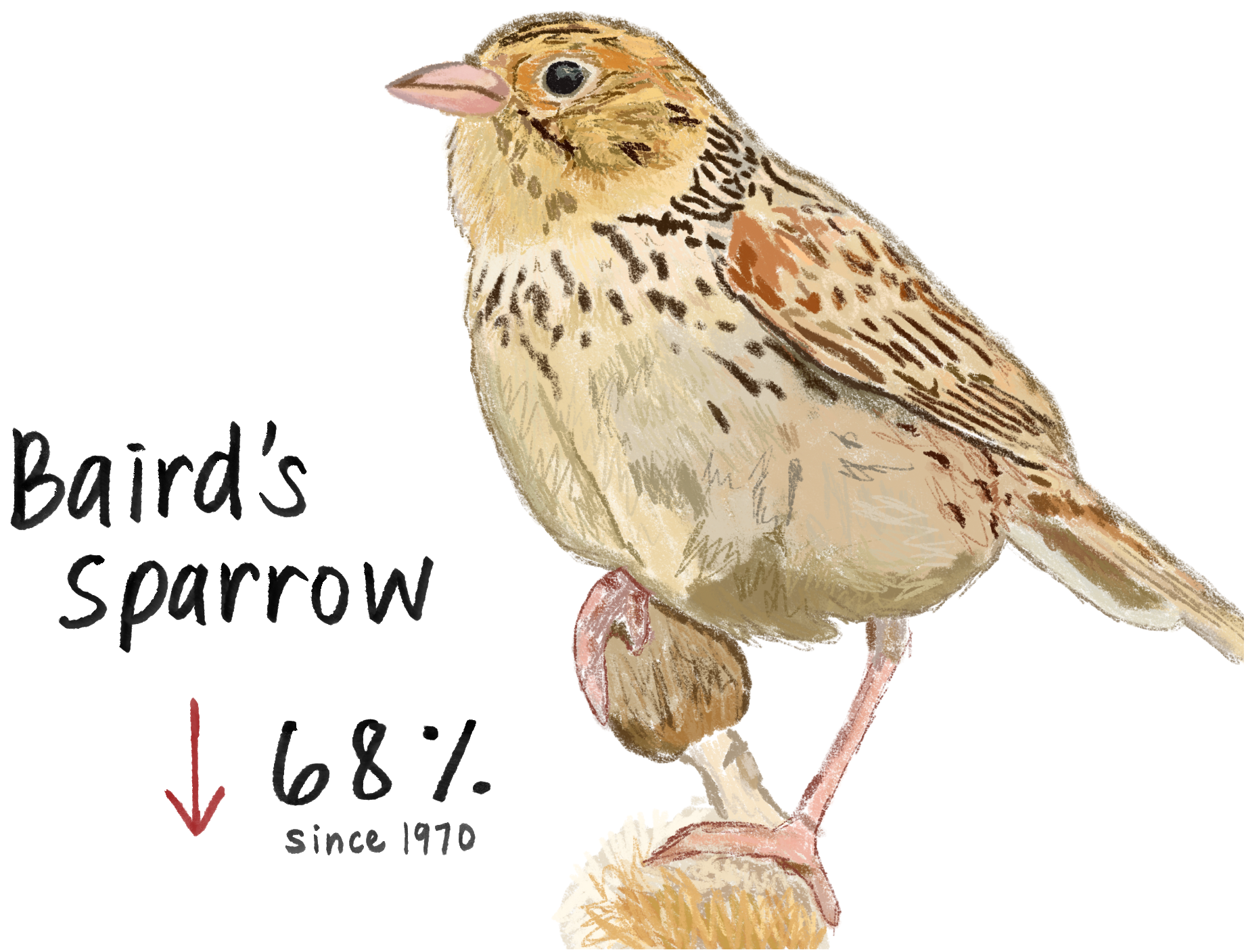
Data shows that some grassland birds — including the chestnut-collared longspur, Baird's sparrow, lark bunting, thick-billed longspur and Sprague's pipit — are declining nearly twice as fast in the Prairie Pothole Region as compared to the rest of the United States.
In the Southern and Central Great Plain states, another threat driving the loss of grasslands includes the encroachment of woody plants, such as red cedar and mesquite trees.
Throughout history, indigenous land practices and free roaming bison helped to maintain the grassland biome. However, after decades of fire suppression, the near elimination of bison on the land, as well as the creation of windbreaks for agricultural fields, the trees have grown rampant.
“The reality is that we can't restore all of the grassland that's been lost in North America,” Reese said. “So we really need to understand where we should be doing conservation work — are there places that are going to be more beneficial where we'll get a bigger bang for our conservation buck?”
An unchanged mission
After reassuming office last year, President Donald Trump and his administration pushed forward with policies that weaken legacy environmental protections beneficial to birds — such as the Clean Water, Clean Air, Endangered Species and National Environmental Protection acts.
At the same time, thousands of federal conservation workers were laid off.
Bird Conservancy was all too familiar with the Trump administration's attacks on climate change and environmental protection. In the last three months of 2025, the organization confronted the termination of a $1.3 million Department of the Interior grant and the freezing of another significant portion of funds due to the 43-day government shutdown. The cuts amounted to roughly 10 percent of the organization’s annual budget.
“The justification for these cuts isn’t totally clear, but the message was unmistakable: our commitment to a vision where everyone has access to and feels welcome in nature has somehow become controversial,” Bird Conservancy executive director Tammy VerCouteren and communications director Jacob Job wrote in Primary Source, the organization’s bi-annual magazine.
The other programs that endured cuts included a database called the Avian Conservation Assessment Database — a tool used to inform conservation decision making at all kinds of different jurisdictional levels — and the Integrated Monitoring in Bird Conservation Regions Program, the second largest breeding bird monitoring program in North America created to address large-scale declines in avian populations.
But despite these hardships, Bird Conservancy weathered the storm and its mission has remained unchanged. While much of the staff had to work on three-quarters time during the shutdown, the organization managed to avoid layoffs, retained their programs and successfully incurred its largest fundraising campaign ever last year.
“It's a big challenge to try to do work as a bird conservation organization, to try to reverse or even stall bird population declines,” Reese said. “It's hard to get enough funding to do the research and conservation work that we want to, and there's a lot of competing land uses that we're not going to be able to change.”
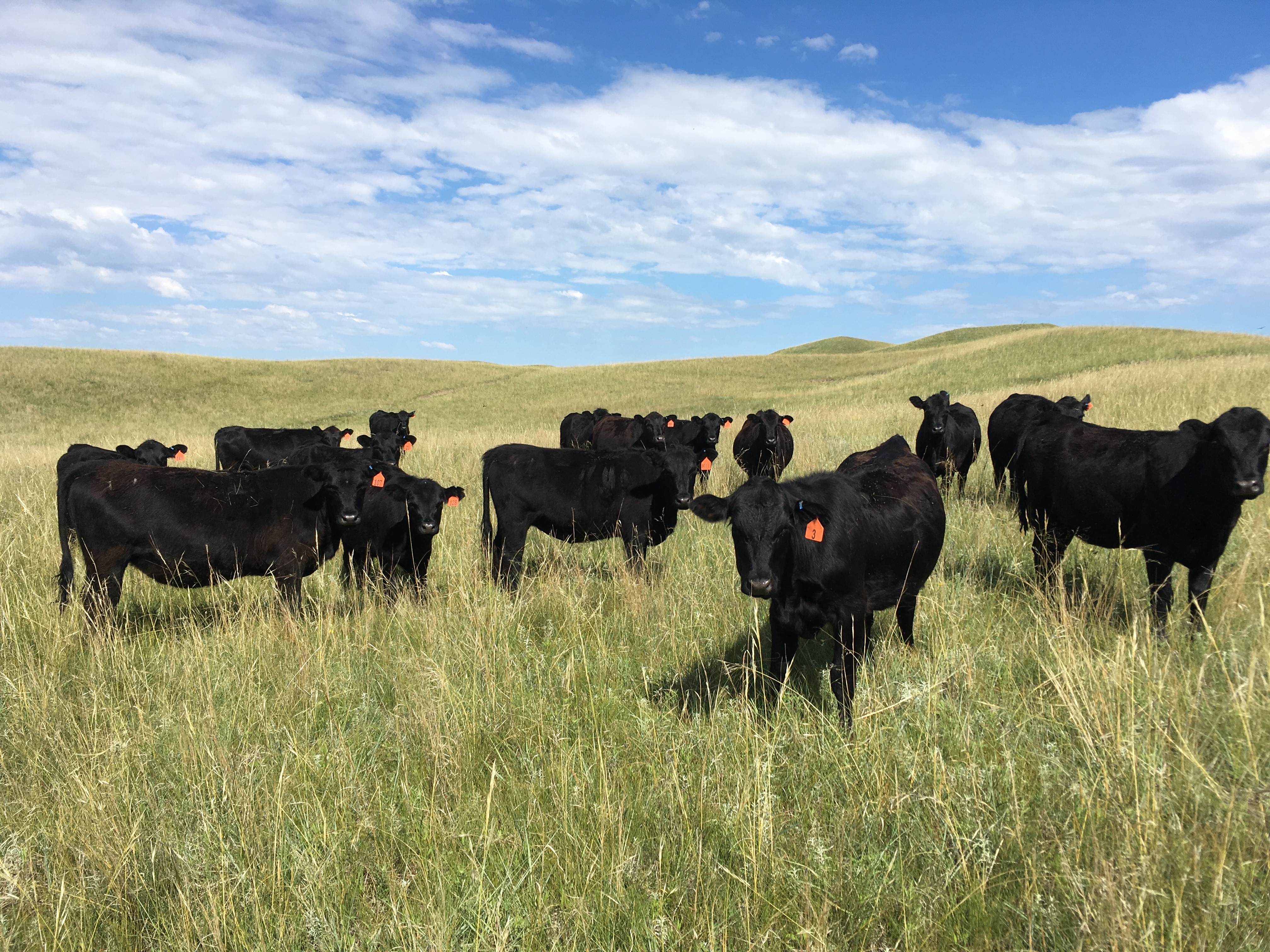
As a way of navigating these obstacles to continue their conservation efforts, the organization works closely with private ranchers across the Great Plains region.
Good for the bird
While ranching and farming have contributed to the loss of grasslands, it is also a crucial part of the solution moving forward.
Across the Great Plains, several conservation organizations are working with ranchers and farmers to implement management strategies that help birds and the land. Though once at odds, thousands of ranchers and farmers have assisted in the maintenance and restoration of healthy grasslands.
Sarah Sortum — the fourth generation co-owner of Switzer Ranch, in Loup County, Nebraska — began implementing bird conservation practices on her land about 15 years ago. The spread of red cedar had become a big issue for her family’s cattle operations and for their bird watching tourism business.
While Sortum’s birding business started out as a means to generate another revenue stream, it quickly opened her eyes to the plight of grassland birds.
So in an effort to better understand them, she spent weeks keeping track of the resident prairie chickens and sharp-tailed grouse on her land, documenting where they were and how many she saw.
During a week of surveying an area that had no tree problem at the time, Sortum not only found the prairie chickens and sharp-tailed grouse she was looking for, but also noticed that she was hearing all kinds of little songbirds as well.
The following week, she went out to a spot dealing with a lot of tree encroachment and made an alarming discovery. As she walked around, not only could she not find any of the resident birds she was looking for, she didn’t hear any of the songbirds either.
“I wasn’t even really looking for them, but their absence was pronounced for me,” Sortum said. “That was a light bulb moment of, this is serious and we need to get on this now.”
So to address the red cedar issue, Sortum mechanically removed the trees followed by a period of prescribed burning, in an effort to restore and maintain the birds’ prairie habitat.
About this story
Story by Riley Ramirez. Design, development and illustrations by Riley Ramirez. Videos and photos by Riley Ramirez.
Story and project editing by John D. Harden, Alice Li and Jeremy Sanchez Rue. Design editing by Lucio Villa. Additional support from Jennifer LaFleur and Christopher O’Dea.
Special thanks to my J216 classmates.
Methodology
UC Berkeley Graduate School of Journalism analyzed the U.S. Geological Survey’s North American Breeding Bird Survey core indices data from 1970-2024 to look at population trends over time for 25 grassland bird species. The selection of those species were based on the obligate grassland birds listed in the 2025 State of the Birds report. The school cleaned and analyzed the Breeding Bird Survey data using R. Population size estimates from the Partners in Flight database were then used to determine future and past population losses based on trends found from the BBS analysis.
The analysis found declines in populations for 20 out of 25 species. Of the 20 species facing declines, 13 have declined more than 50 percent since 1970. Some species have declined nearly 90 percent.
The school also analyzed USGS Annual National Land Cover Change data, which is generated from satellite imagery, to assess changes in grassland habitat from 1985-2024. The data was used to compare grassland land cover over time and assess grassland conversion to agricultural use. To do this, the school looked at conversion from grassland to crops and pasture, and from crops and pasture to grassland for the entire country. The data was rendered in QGIS and analyzed in R.
Findings and methods were verified in interviews with experts at USGS.
Through continued application of these techniques, the birds began to sing again. But that wasn’t the only outcome. Sortum noticed that improving the health of the ecosystem not only benefited the birds, but it also benefited their cattle operation as well, creating more open space and forage for grazing.
“I really see the birds on our place as my barometer for our overall resource health,” she said. “I mean, can you imagine a world without birds? Come on. They add a quality to life that just makes everything more special.”