Black Rural Britain


“It would be more painful to have that urge to farm and be on the land and create spaces for people and not do it because we are scared”


Staking a Claim

By Edith Matthias

Tucked amongst the shops of an old mining town, Bev Fitzgerald-Bevington sat in her coffee shop, watching the slow Sunday strollers pass by. She beamed grins and waved her hands at almost everyone who passed her shop window, which has now become a jewel of the high street in the two years that it’s been open. 

Over cups of tea, she often paused the interview to say hello to neighbouring business owners and local families, exuding the warmth that has transformed her space into more than just a cafe. What Bev has created is a corner of Cornwall where all are welcomed and supported, particularly Black residents in the region.  

With its Celtic history and wild landscape, Cornwall offers the opportunity for a slow lifestyle that breathes with the land and the natural cycle of the seasons. However, for many people of colour in Cornwall, the beauty of the cliffs and valleys, the pleasure of surfing, fishing, and hiking, has always been undercut by a stinging sensation of isolation and otherness. And this feeling is not isolated to Cornwall, it is felt in rural regions across the UK where Black people have remained a minority for too long.

Bev and others like her represent a new image of rural Britain. Having forged a space for themselves, boldly and unapologetically, in areas that were once deemed ‘not for them’, they prove that Blackness is not restricted to certain spaces or stereotyped lifestyles. They have defined for themselves what it means to be Black, unbound from archaic racial expectations, showing that Blackness is, in fact, limitless.

Severed from the Start

The perception of Black people in the UK has been largely informed, as with most things, by its representation within the media, and the most common image we have been fed of Black culture is one born and bred in the city. It’s ‘urban’, it’s ‘gritty’, it's ‘poor ’, and it’s completely severed from the land and nature, and a history that exists beyond the city centre. The result of this has not only been an erasure of people who have embodied a rural existence, but a deterrence of those who might seek this alternative lifestyle.

This restricting cultural label of ‘urban’ for Black people is rooted in the migratory history of Black people to the UK. Although Black people have been present in Britain for more than 2,000 years, the most notable influx of people from the global majority occurred after WWII. With the country in ruin, people from the Caribbean were encouraged to migrate to the UK to help fill labour shortages in hospitals and across transport networks.

This generation, now known as the Windrush Generation, predominantly moved to cities across the country in search of economic growth. However, racial prejudice and systemic oppression massively stunted their economic progress.

This history of migration to urban areas by people from the African diaspora still shapes the geographical distribution of Black people in the UK today. According to the UK 2021 Census data, 17% of the total population lives rurally. Out of this rural population, 93% of people identify as white —a mixture that includes English, Welsh, and Scottish. Comparatively, only 0.6% of people who identify as Black —Black British, Black Welsh, Caribbean, or African — make up the rural population.

*It is also important to note that another 1% of the rural population identifies as having “Mixed or Multiple ethnic groups,” - 8% of the total community. However, it is not specified what ethnic groups these are.

Whilst migration is exactly what has made the UK’s cities so special, with arts and food scenes built on rich multiculturalism, the rural countryside has remained alarmingly white and comparatively provincial. 21% of the total white population lives rurally, and only 2% of the total Black population lives outside of urban areas. What is worrying about this is how geographical distribution has bled into cultural identity, which, over decades, has left Black people feeling culturally excluded from entire regions, activities, and lifestyles in the UK.

However, a rural existence is not something that has been severed from Black people on a global scale; most countries in the Caribbean and Africa, and even in the United States, have an intrinsic rural identity, history, and tradition. And yet, in the UK, Black farmers make up less than 1% of the agricultural workforce. One is left to question why this initial connection to the land was lost upon arriving to the UK, and why it has not been redeemed since.
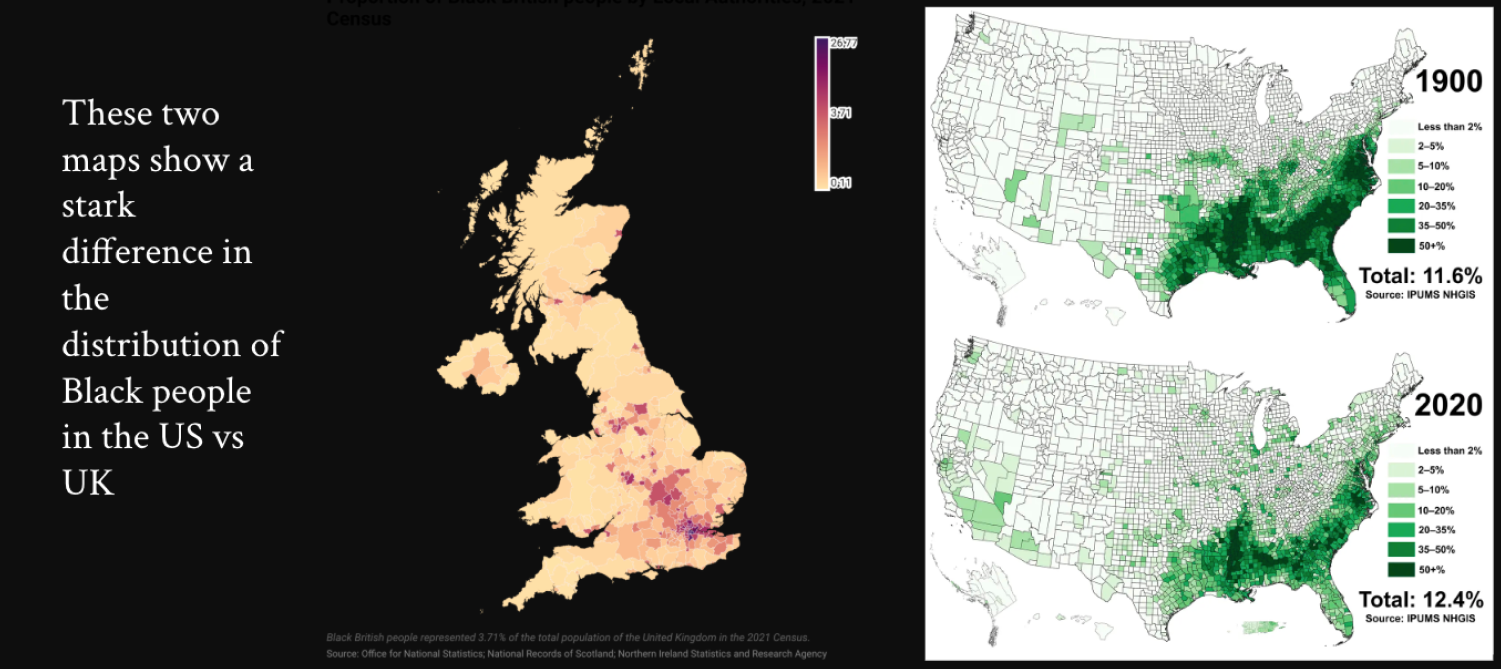
Census Map
This graphic from census data shows concentration of Black population in Britain.

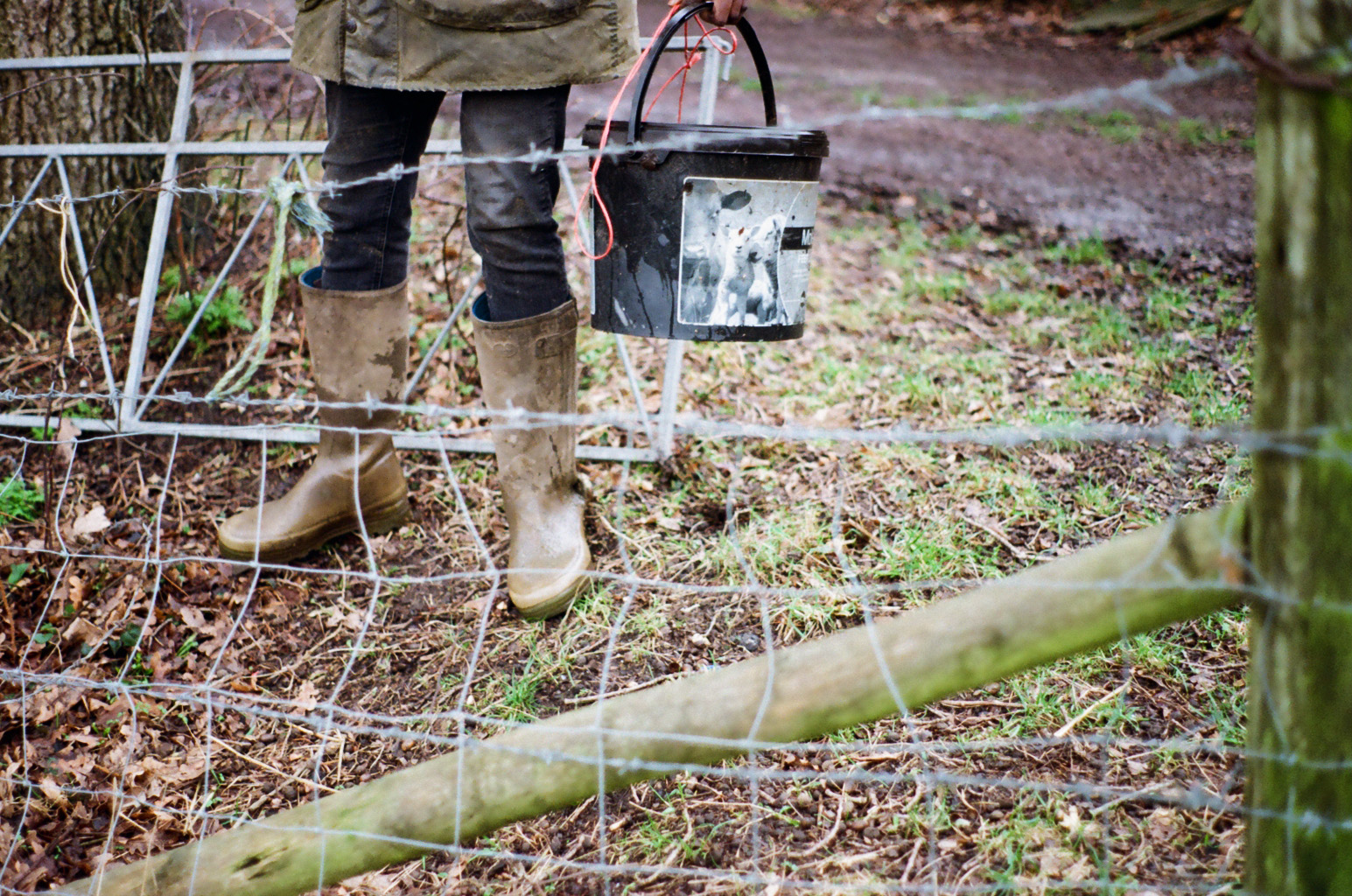
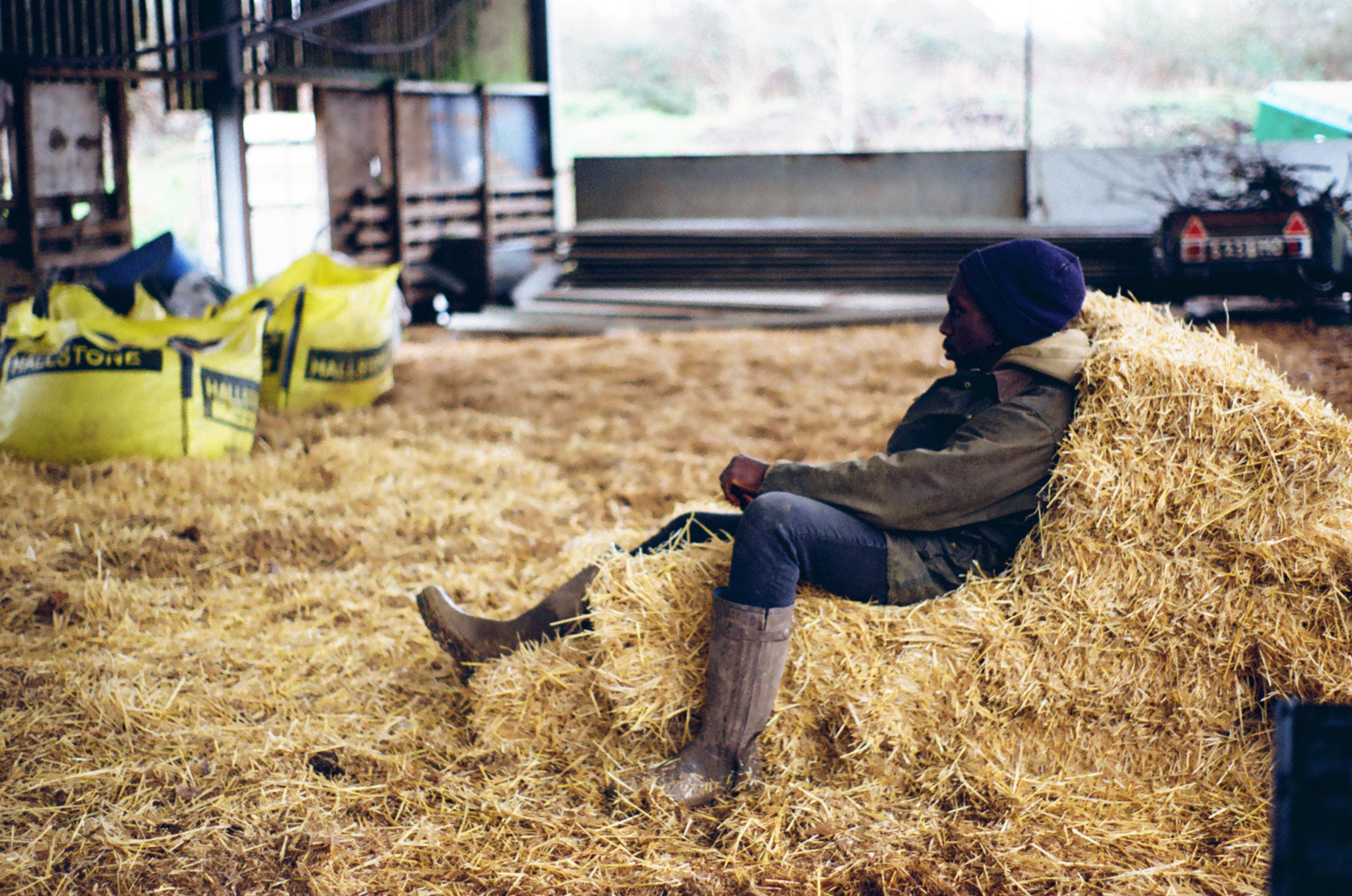
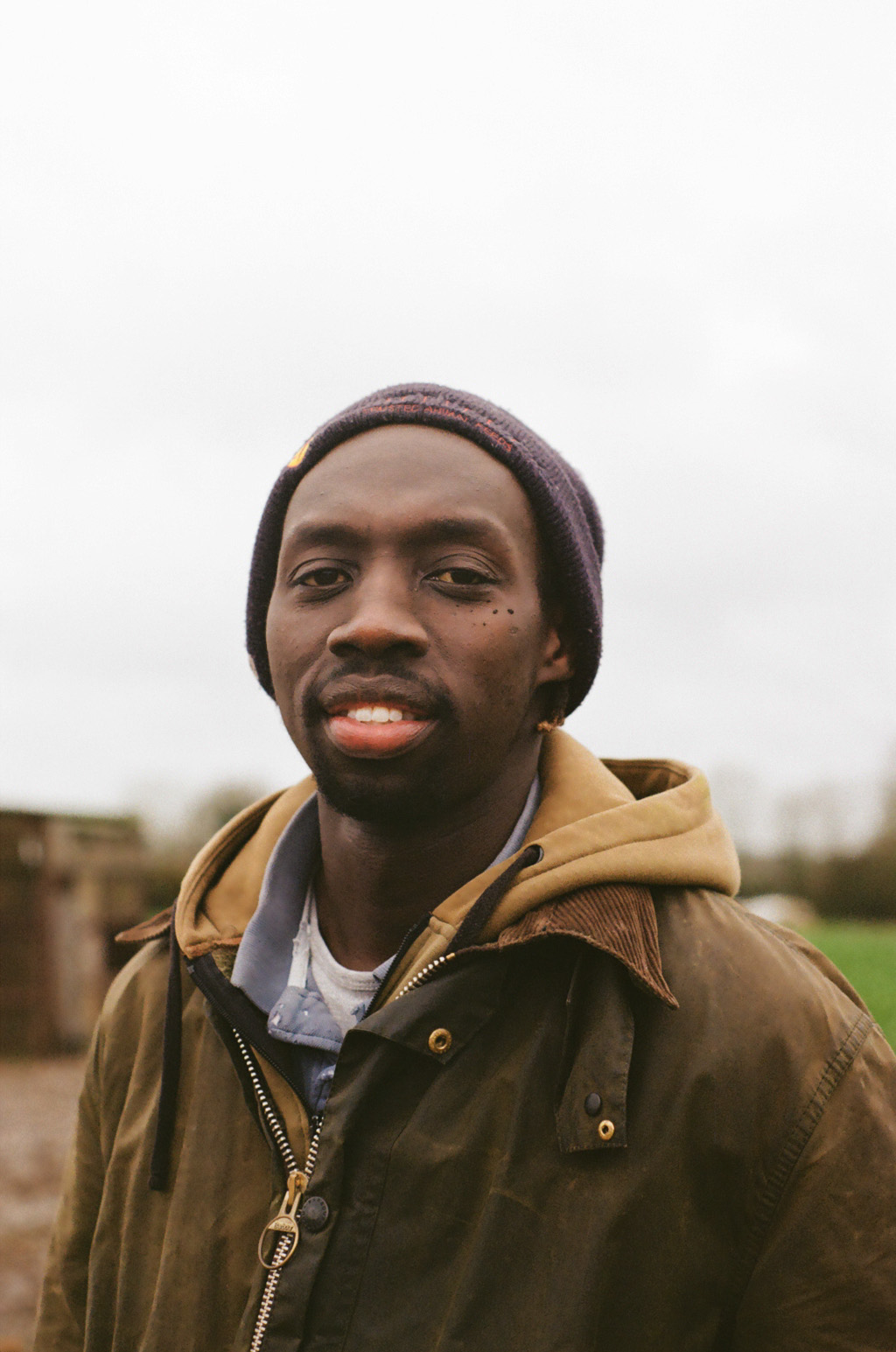
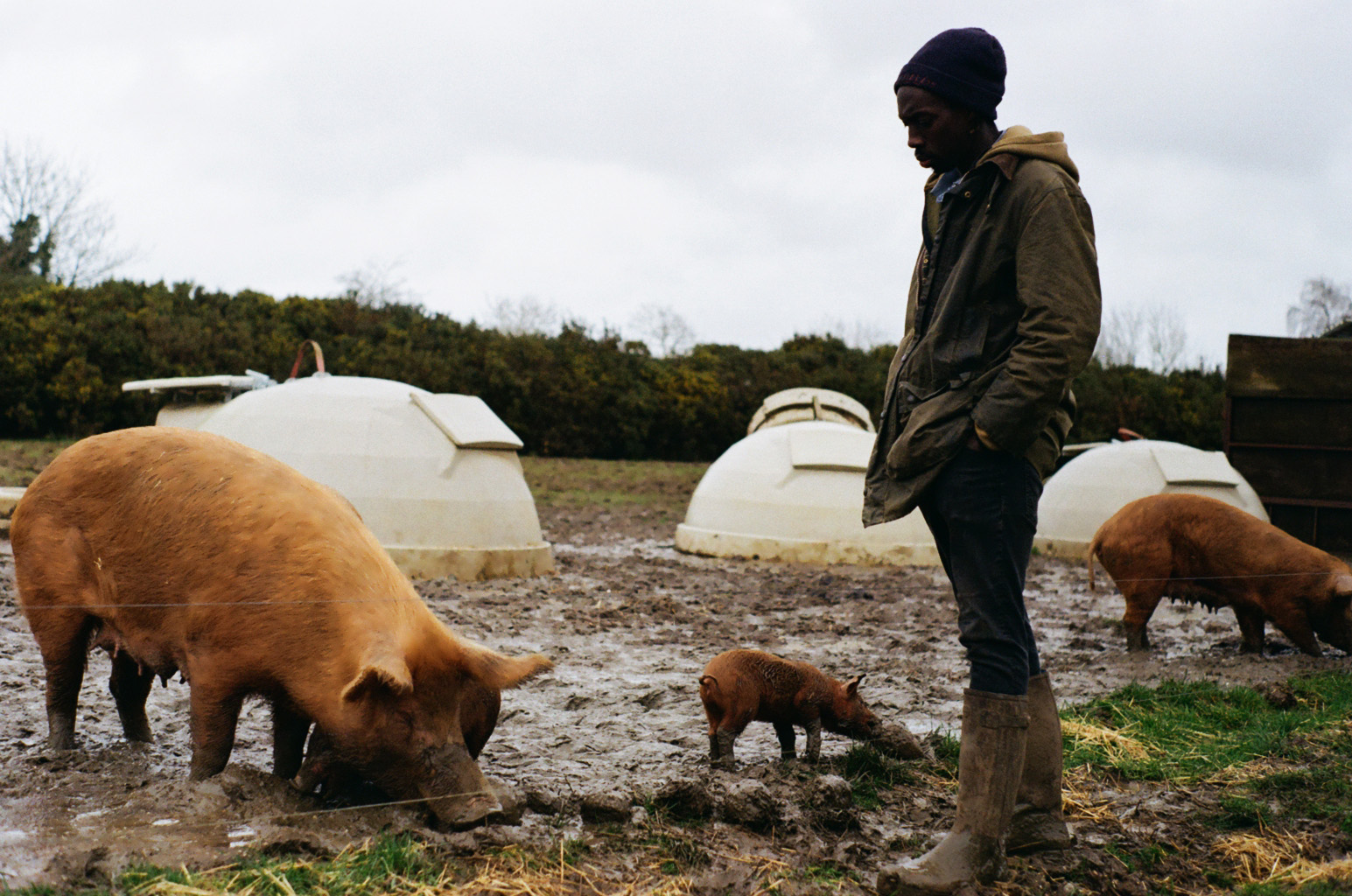
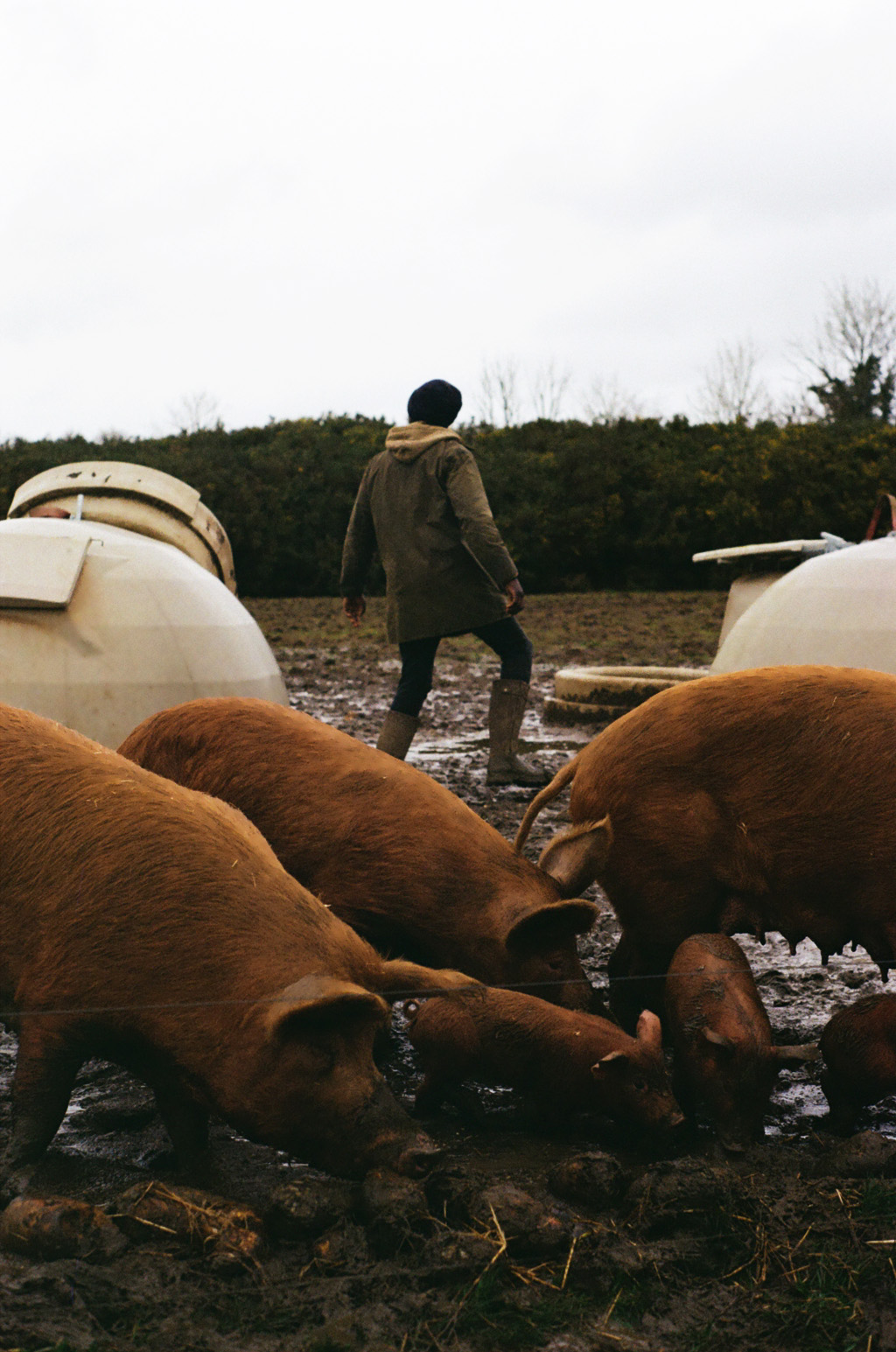
Fondly known on Instagram as @thekenyanpigfarmer, Flavian Obiero is part of this 1%. He moved from Kenya to the UK at 15, where he started learning about farming almost immediately. He now runs a farm in Hampshire with his wife and son, rearing pigs, sheep, and ex-dairy goats. He is also a butcher and chef, running his own spit-roast business.
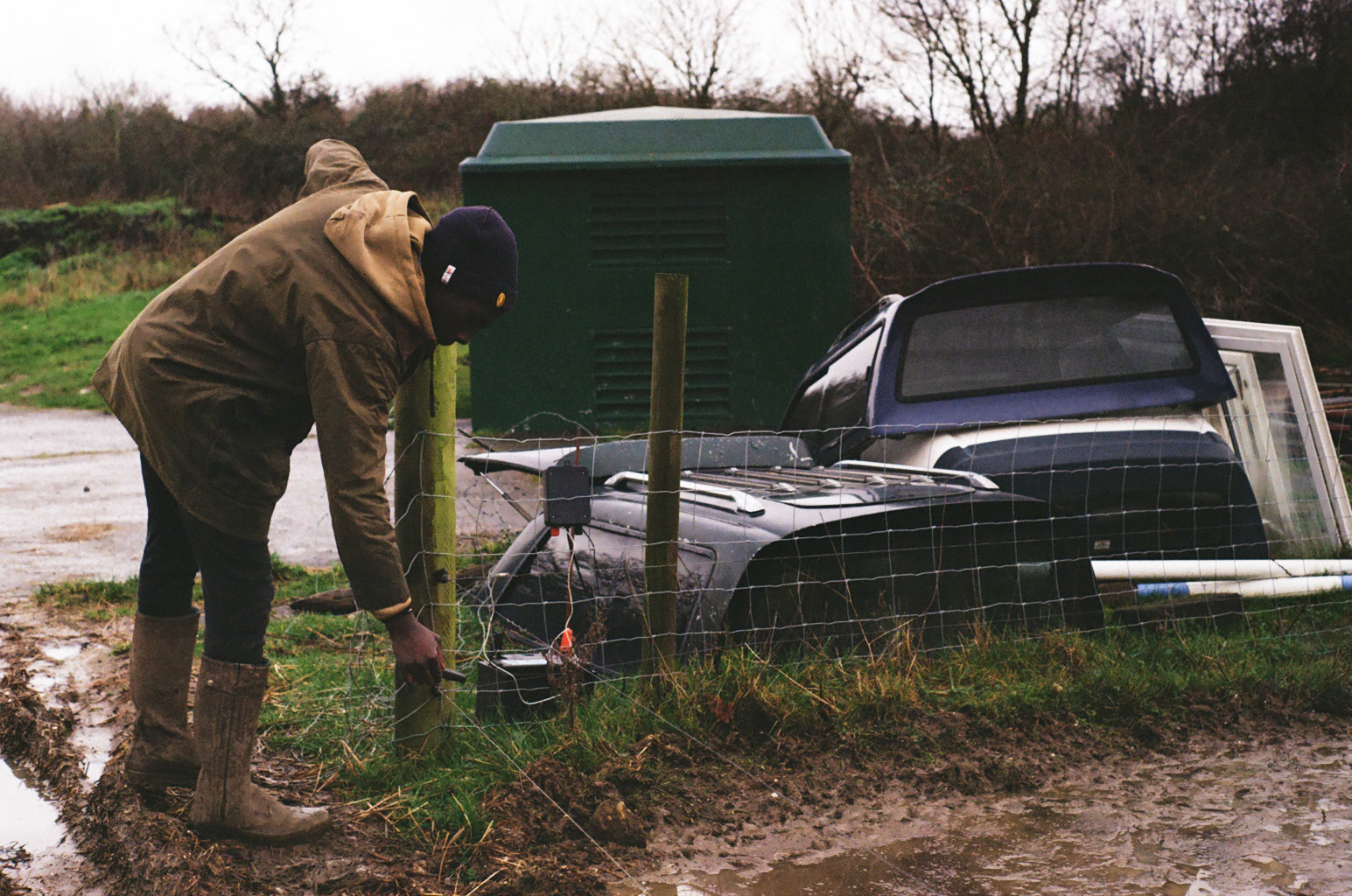
Flavian fixing a fence post
Flavian with pigs
Flavian's boots
Flavian playing in the hay
Flavian's portrait
Flavian with more pigs
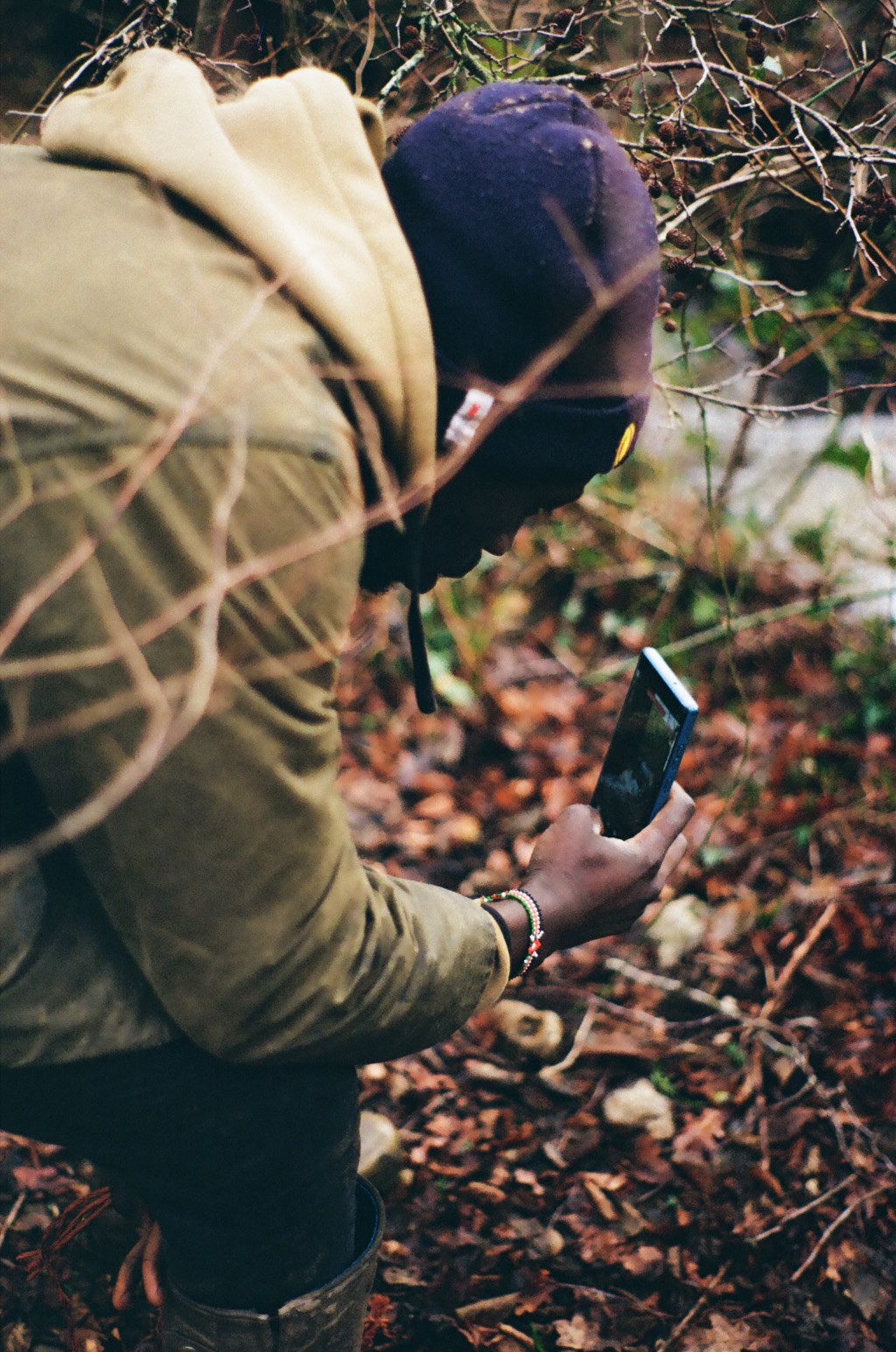
Flavian taking a pic with his cell phone

Despite his successes, Flavian highlights how his experience in the countryside has come with sacrifices - in particular the discomfort of cultural integration and loss of a far more familiar community.

Down in Cornwall, one of the UK’s whitest counties, business owners Sisi and Bev have been working to provide not just necessary resources to the region’s Black residents, but much-needed welcoming and familiar spaces for people to connect.

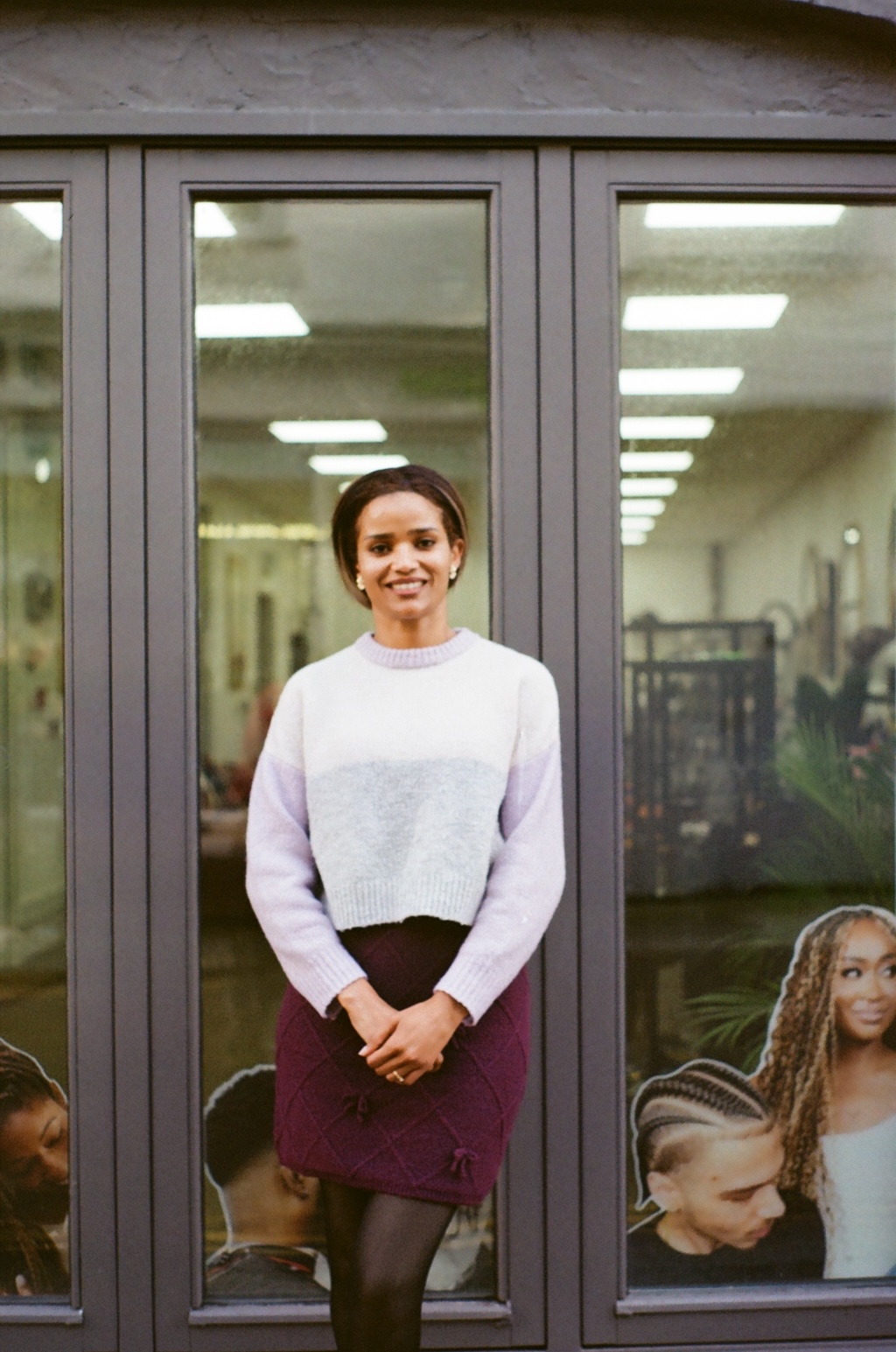
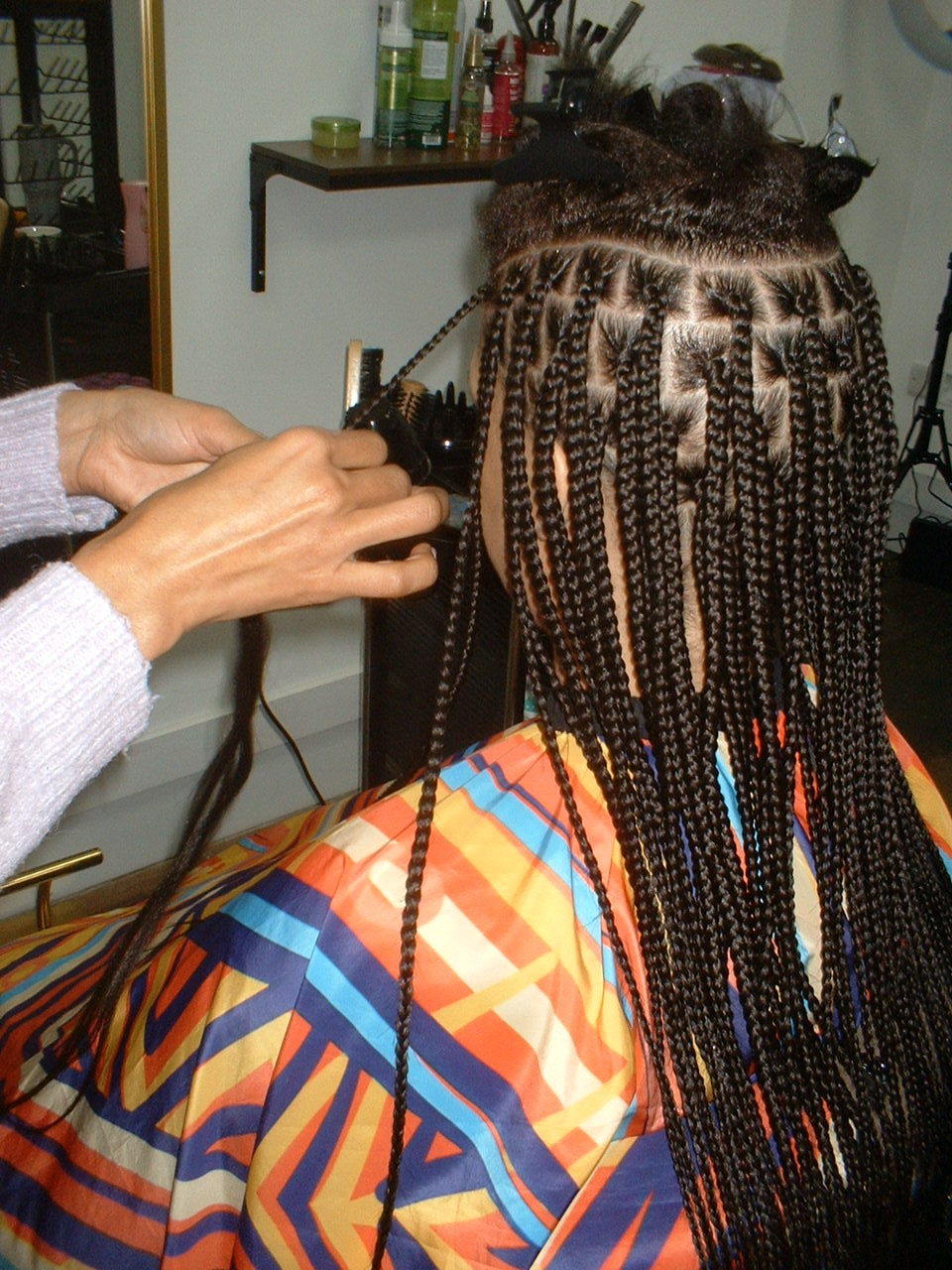
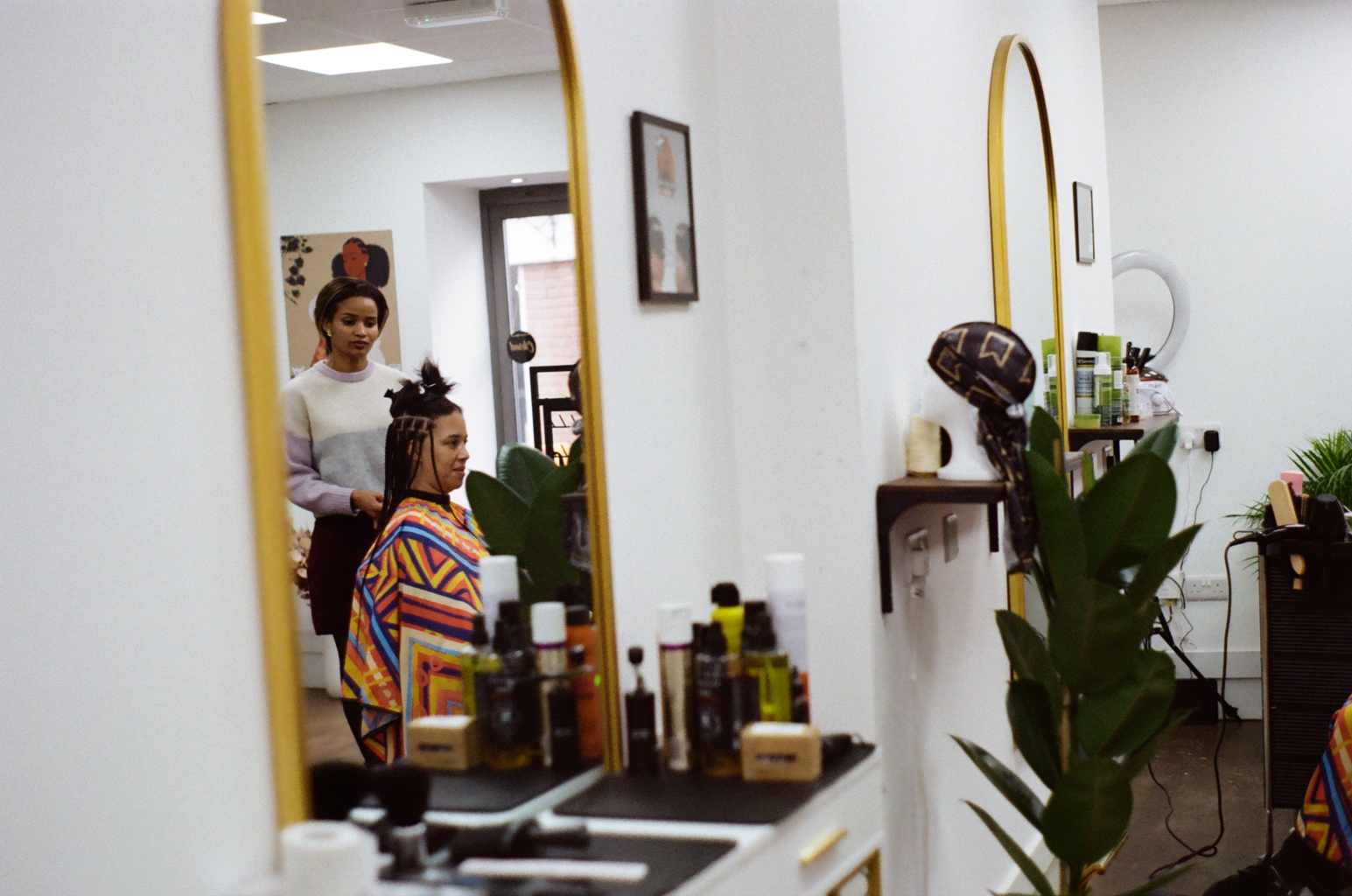
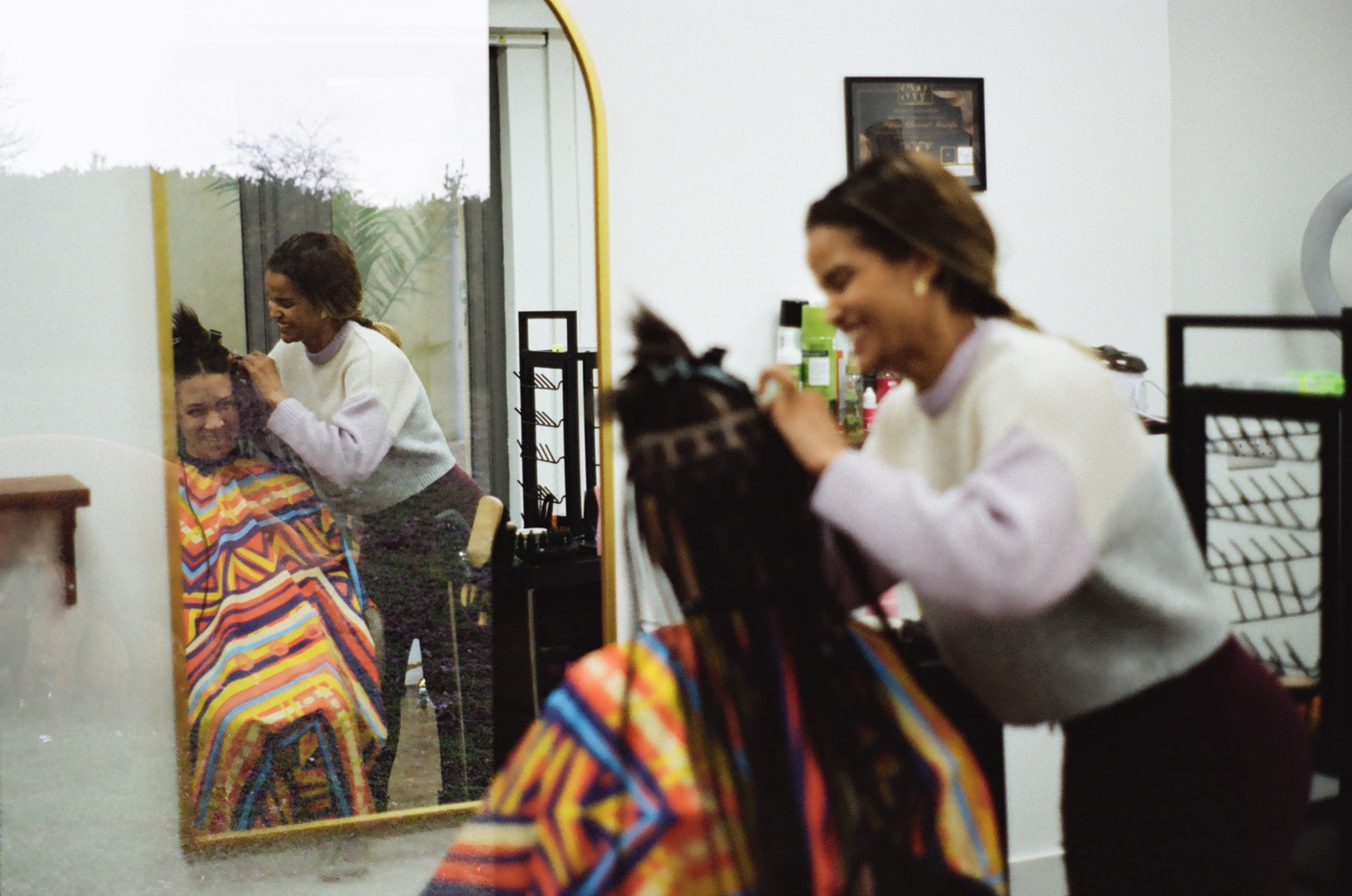
Earlier this year, Sisi opened Ethiopia Queen Braids, the only Afro hair salon in Cornwall. She moved from Ethiopia to the small coastal town of Falmouth in 2022 with her husband. After witnessing growing ethnic diversity in Cornwall, she thought a space was needed for people to access hair services that they couldn’t previously.

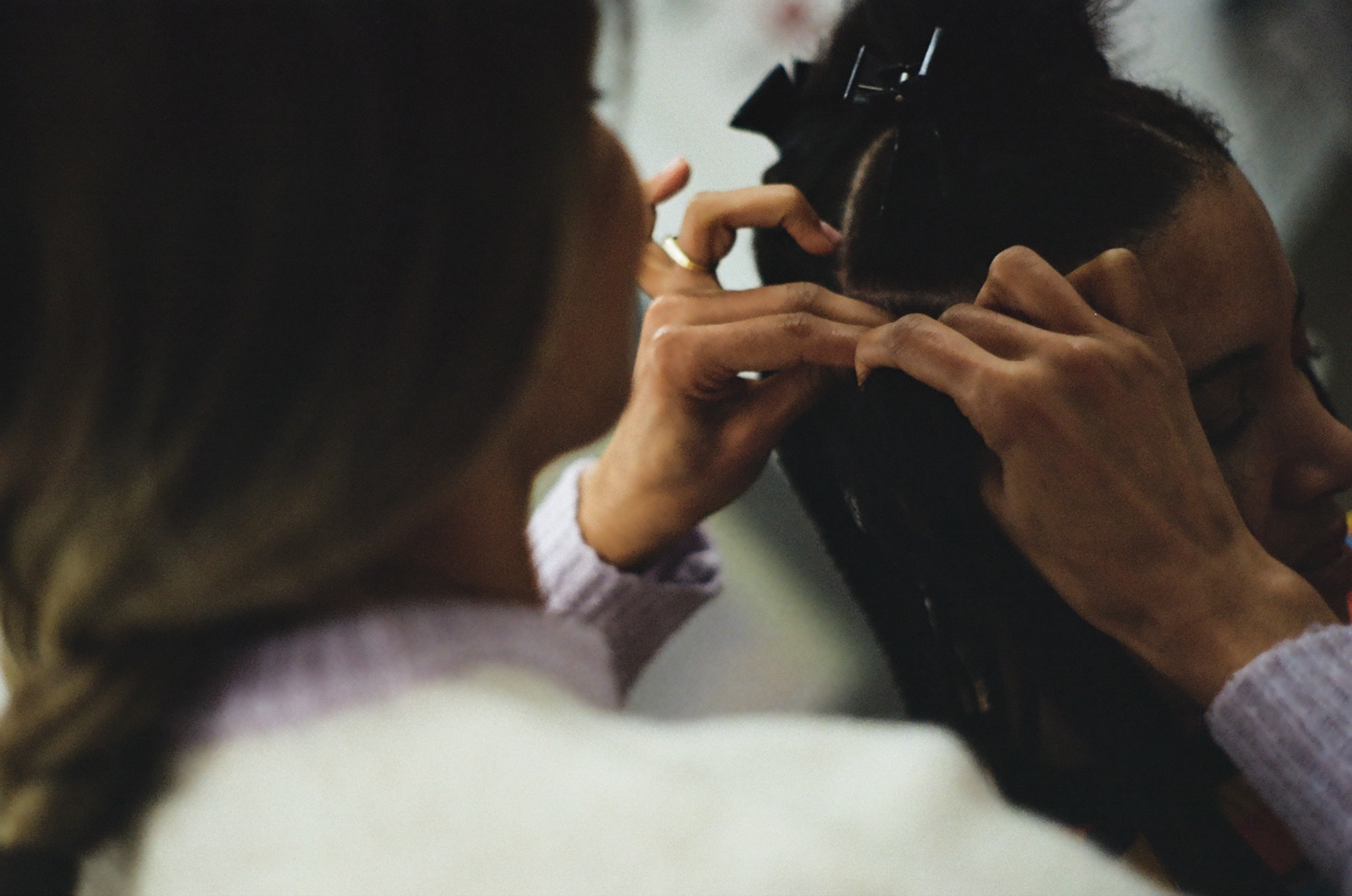
Sissi working carefully on hair
Sissi braiding hair
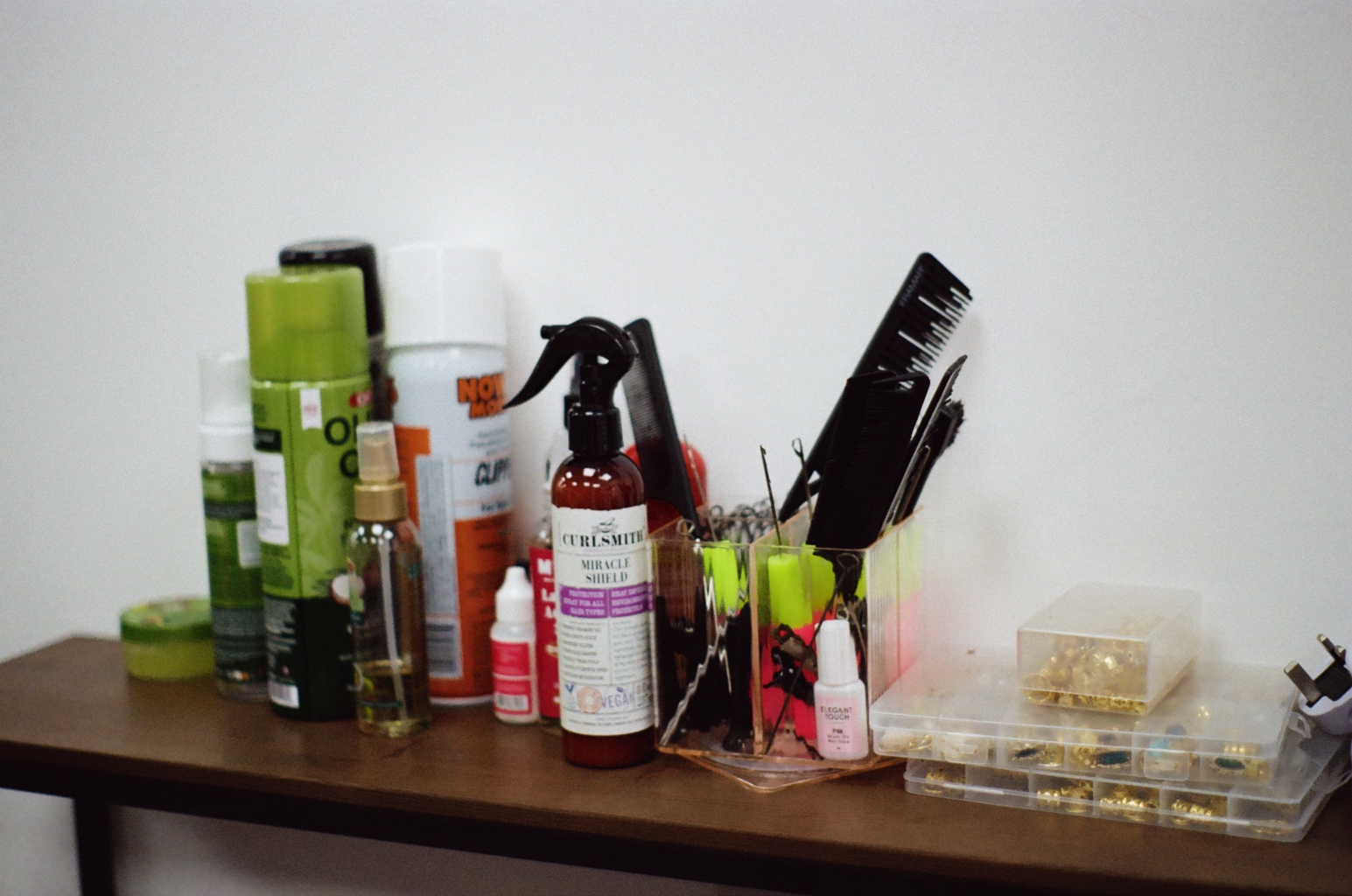
Cosmetic items
Portrait of Sissi
Sissi braids closeup
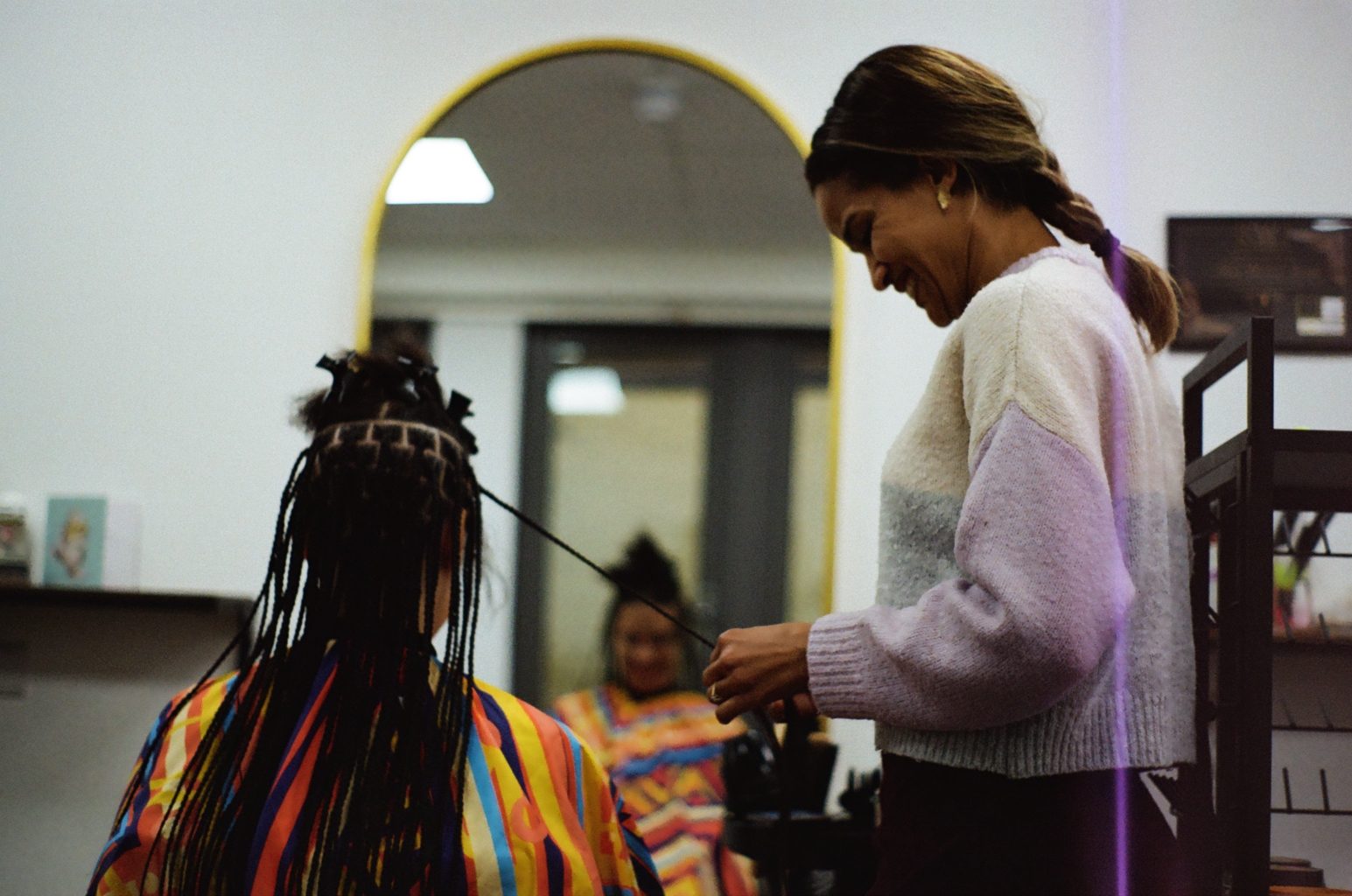
Sissi in mirror
Sissi laughing while working

As a member of the Windrush generation, Bev first lived in the Midlands before making her home in Cornwall, where she has now lived for over 30 years. She owns a cafe called CocoBean, serving African and Caribbean fusion food to locals who use the space as a safe community hub. Bev is also a foster carer and mentor, making her a pillar in the local Cornish community.

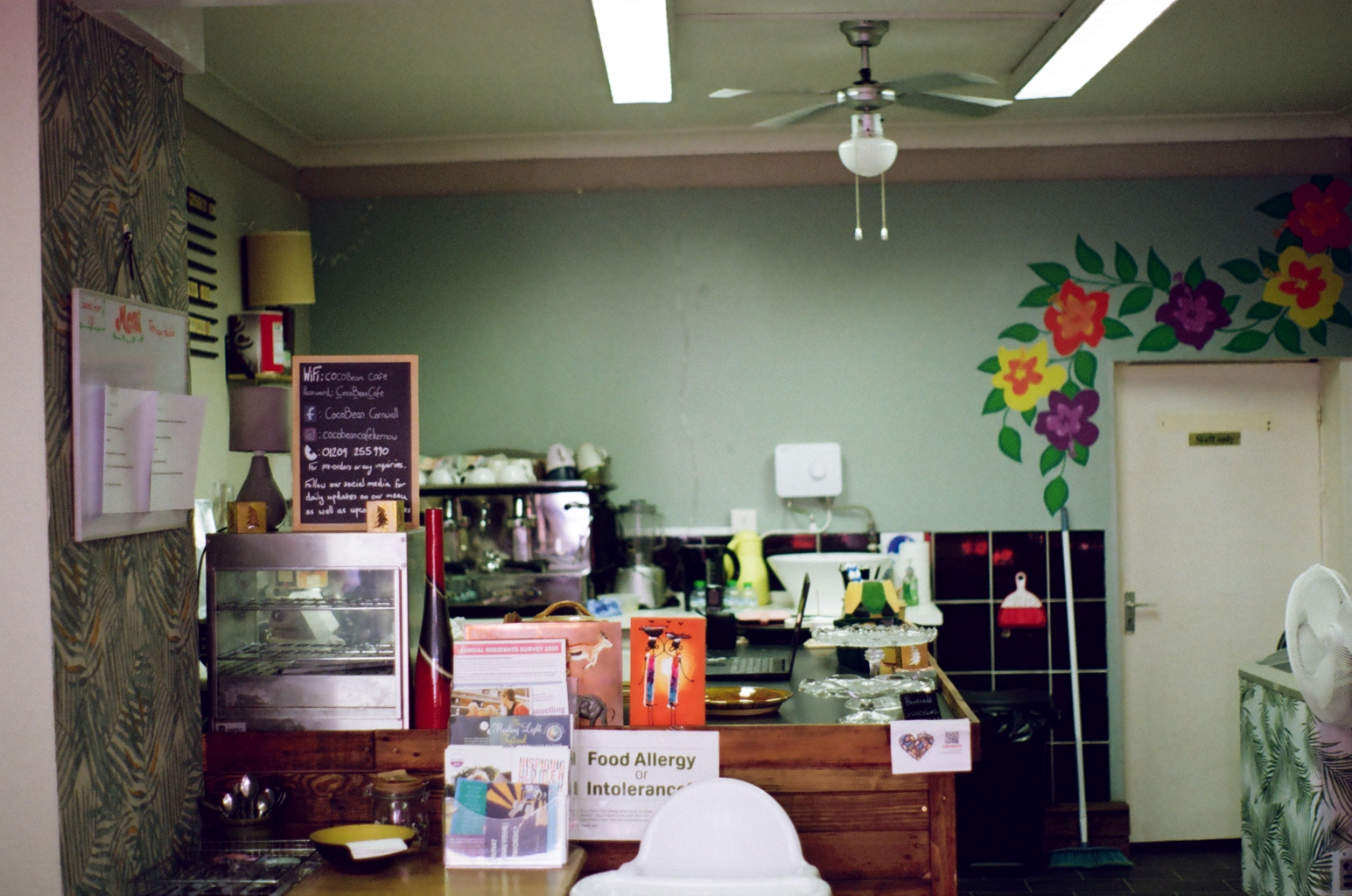
Bev's kitchen
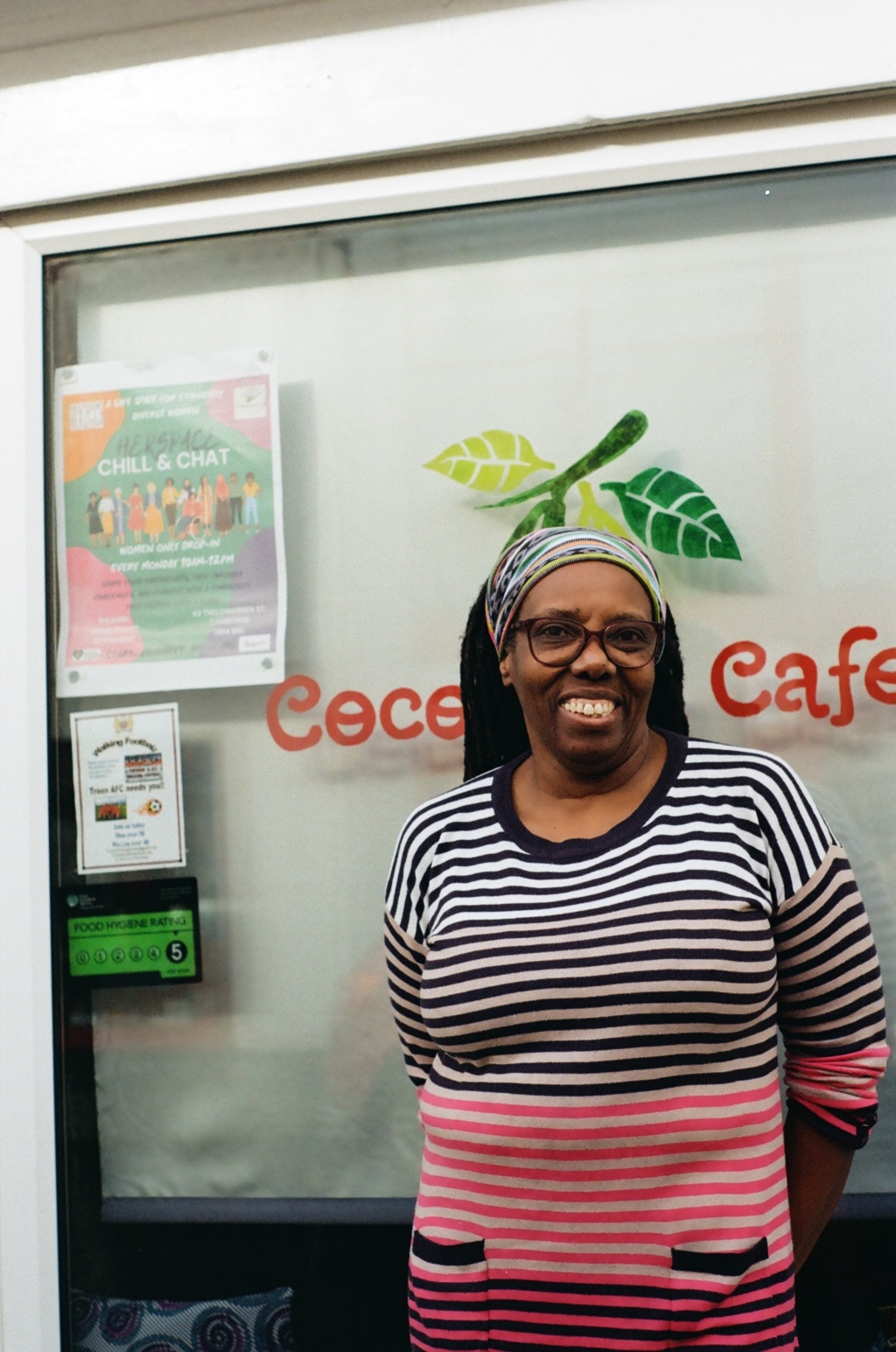
Bev in front of her store
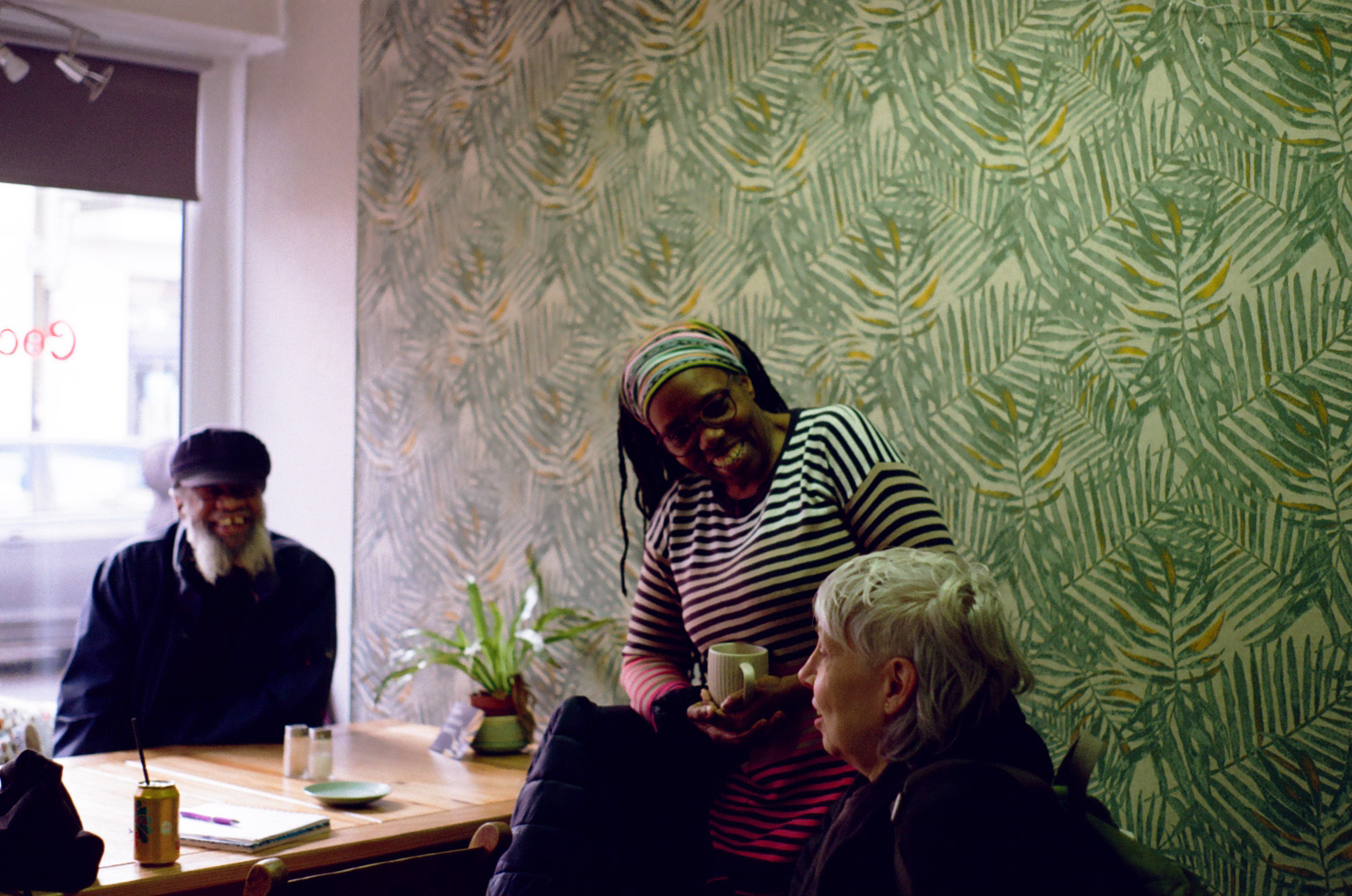
Bev serving tea to customers
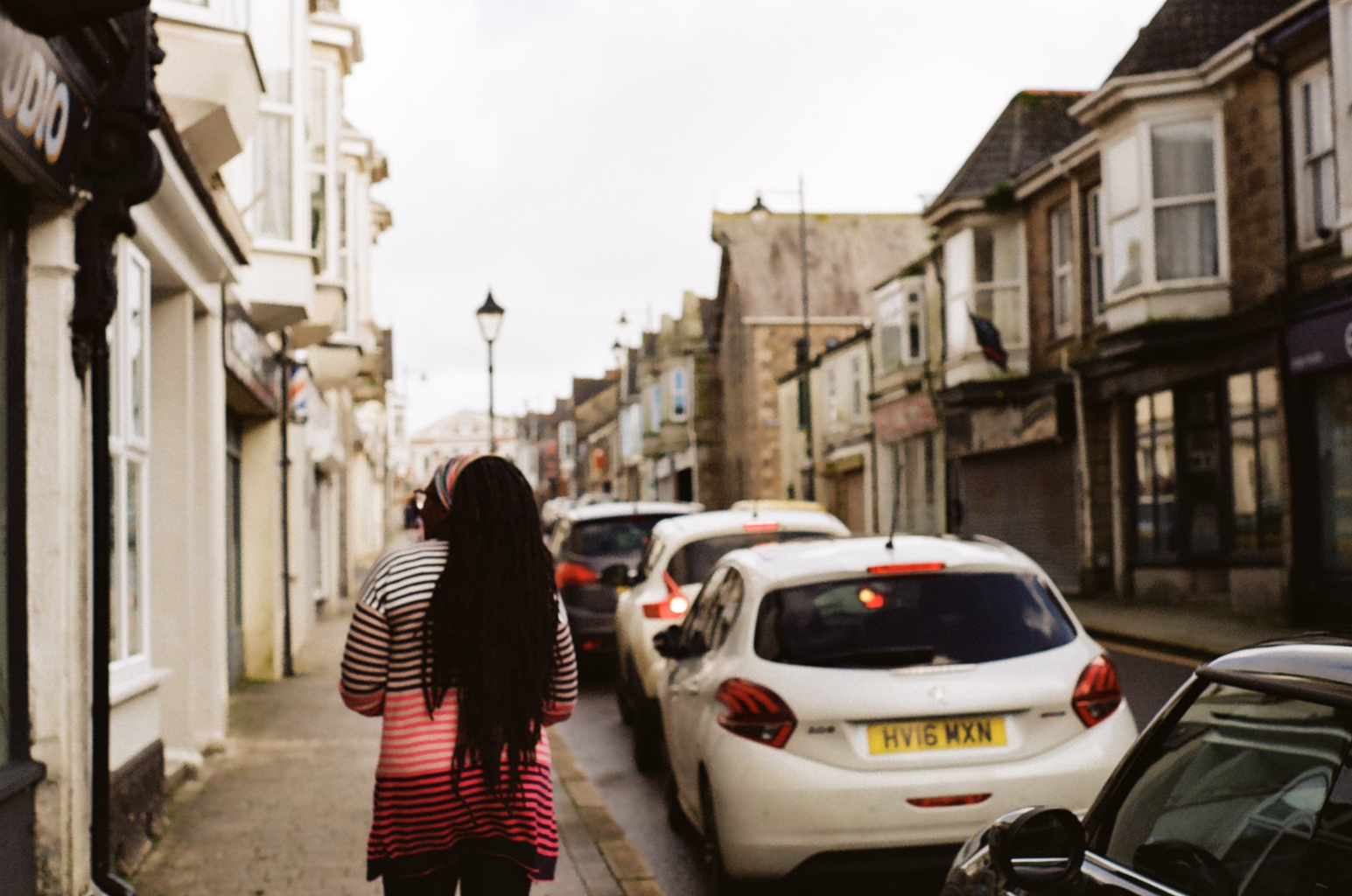
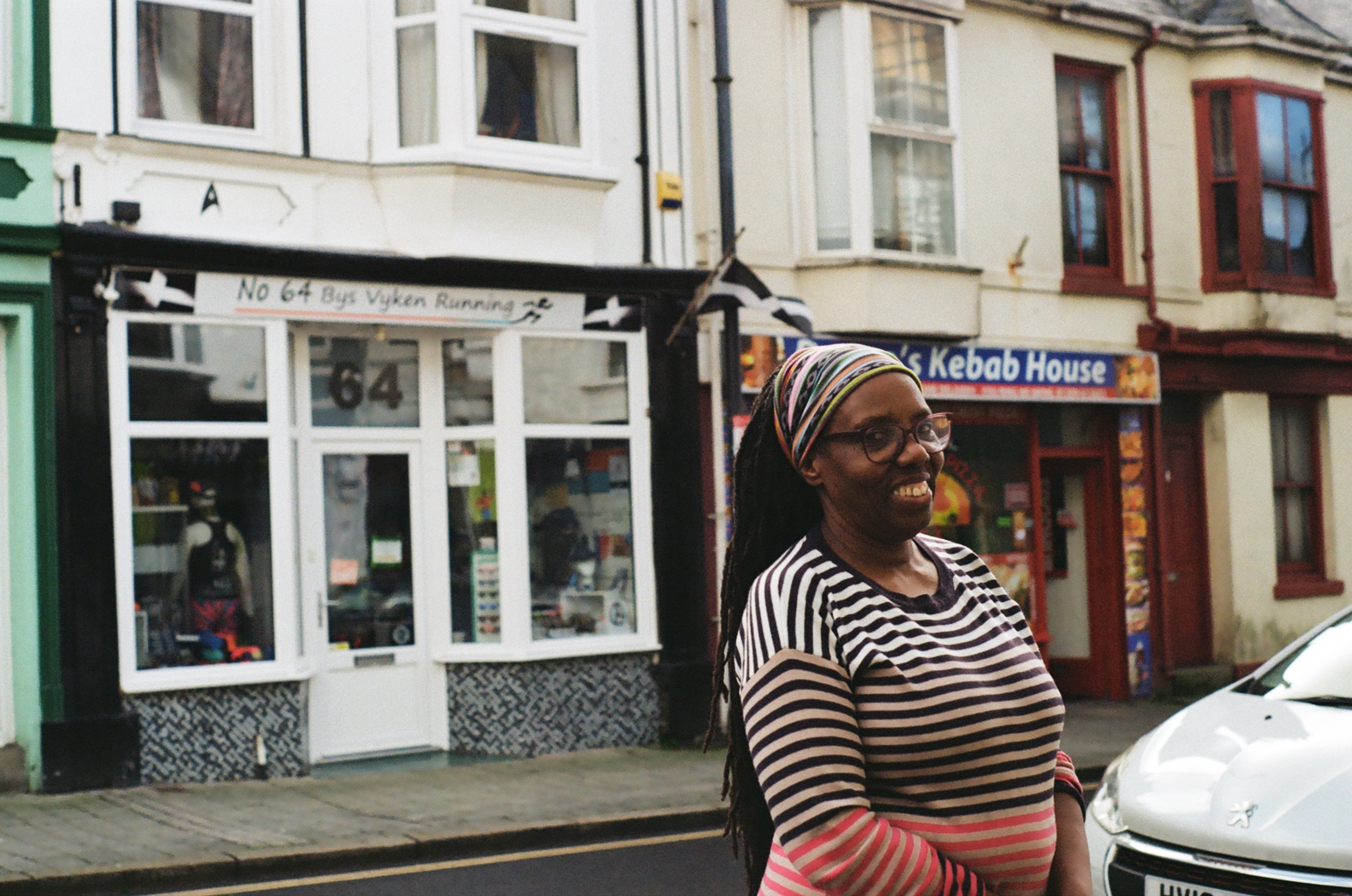
Bev walking down the street
Bev smiling while on the street
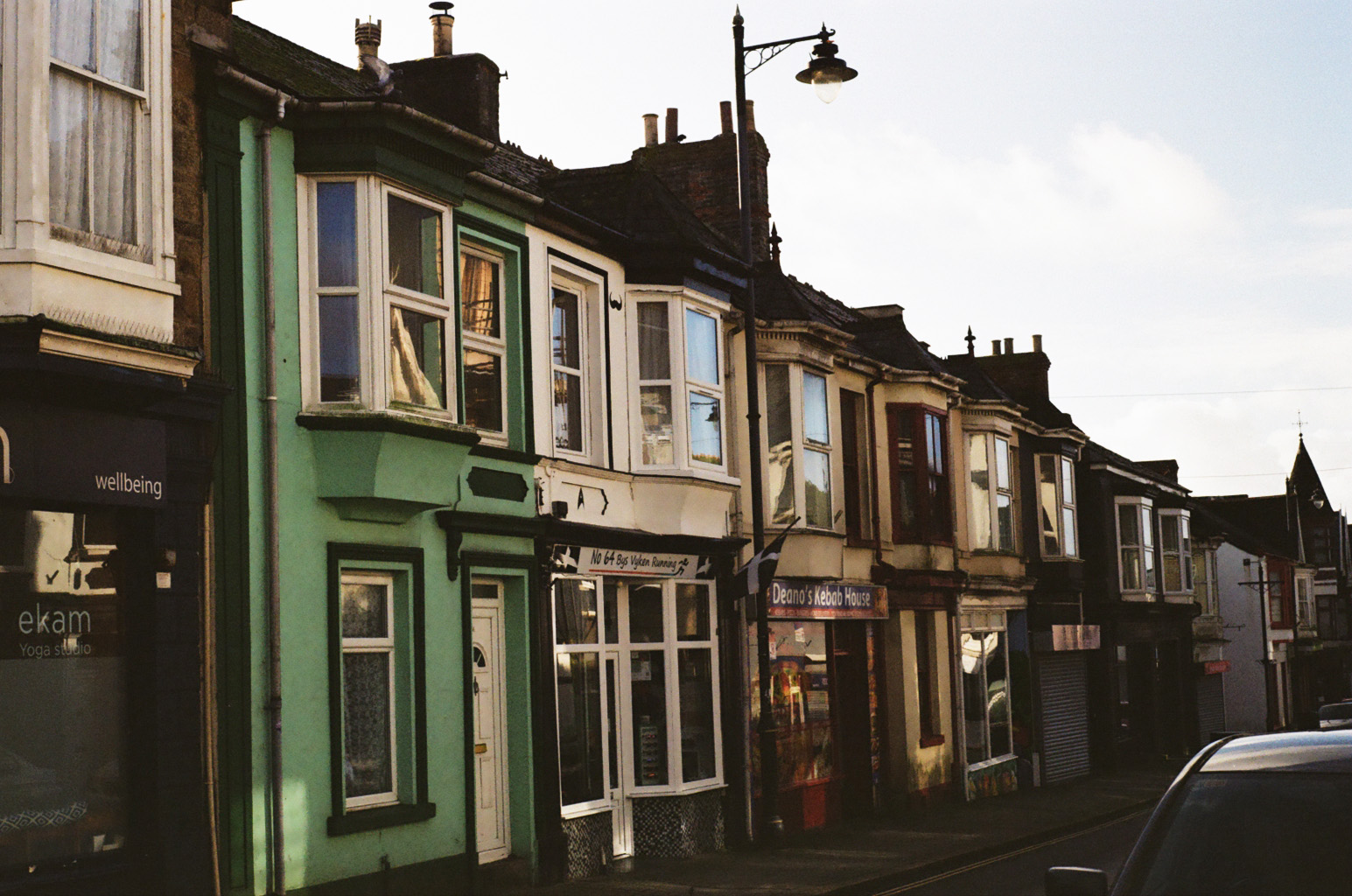
Bev street houses

Bev beautifully raises the point about the similarities between the Cornish landscape and the Jamaican landscape where she grew up. This instant feeling of homecoming, inspired by reconnecting with the land, was an experience also shared by Danny and Tenesia.

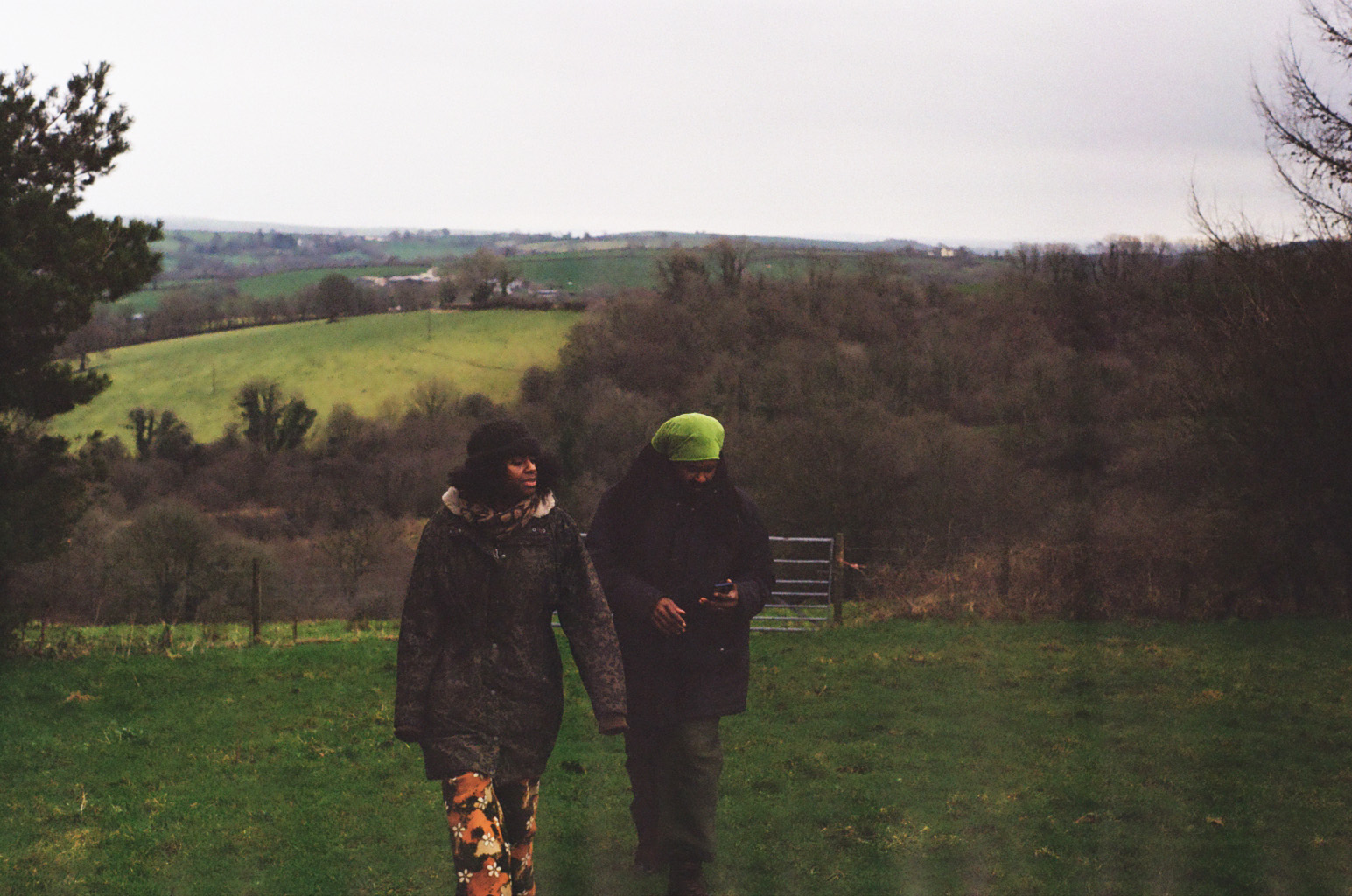
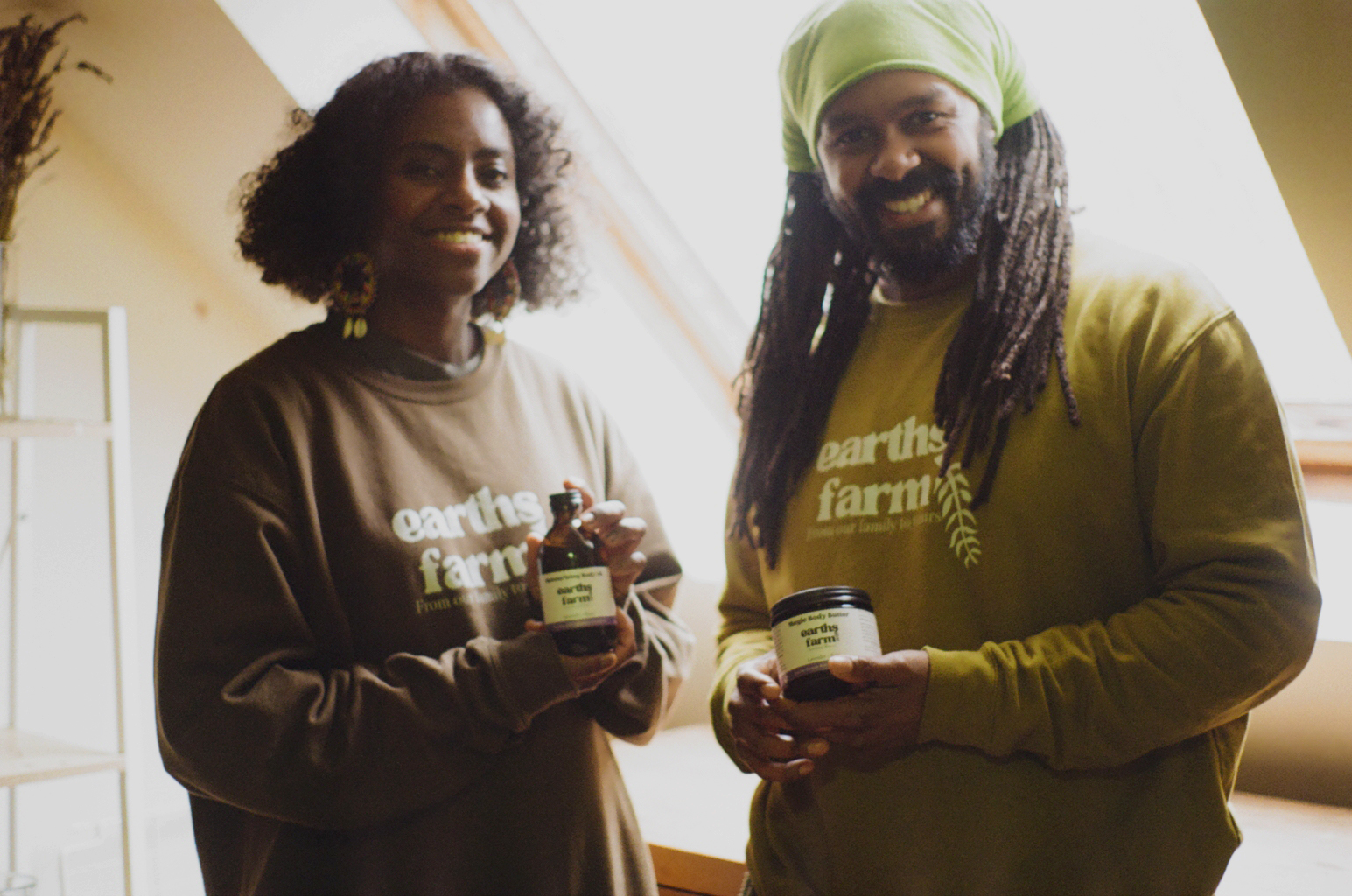
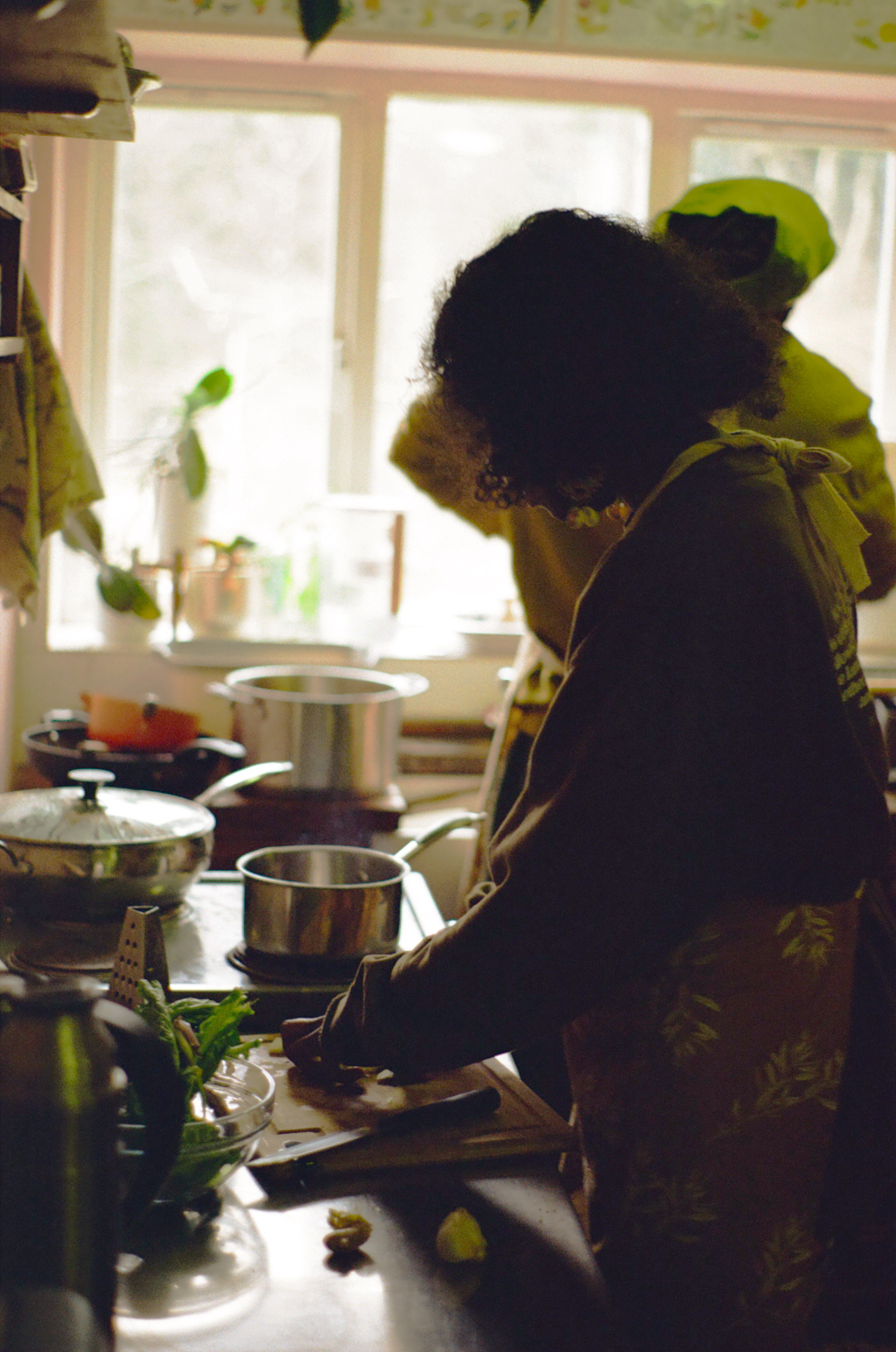
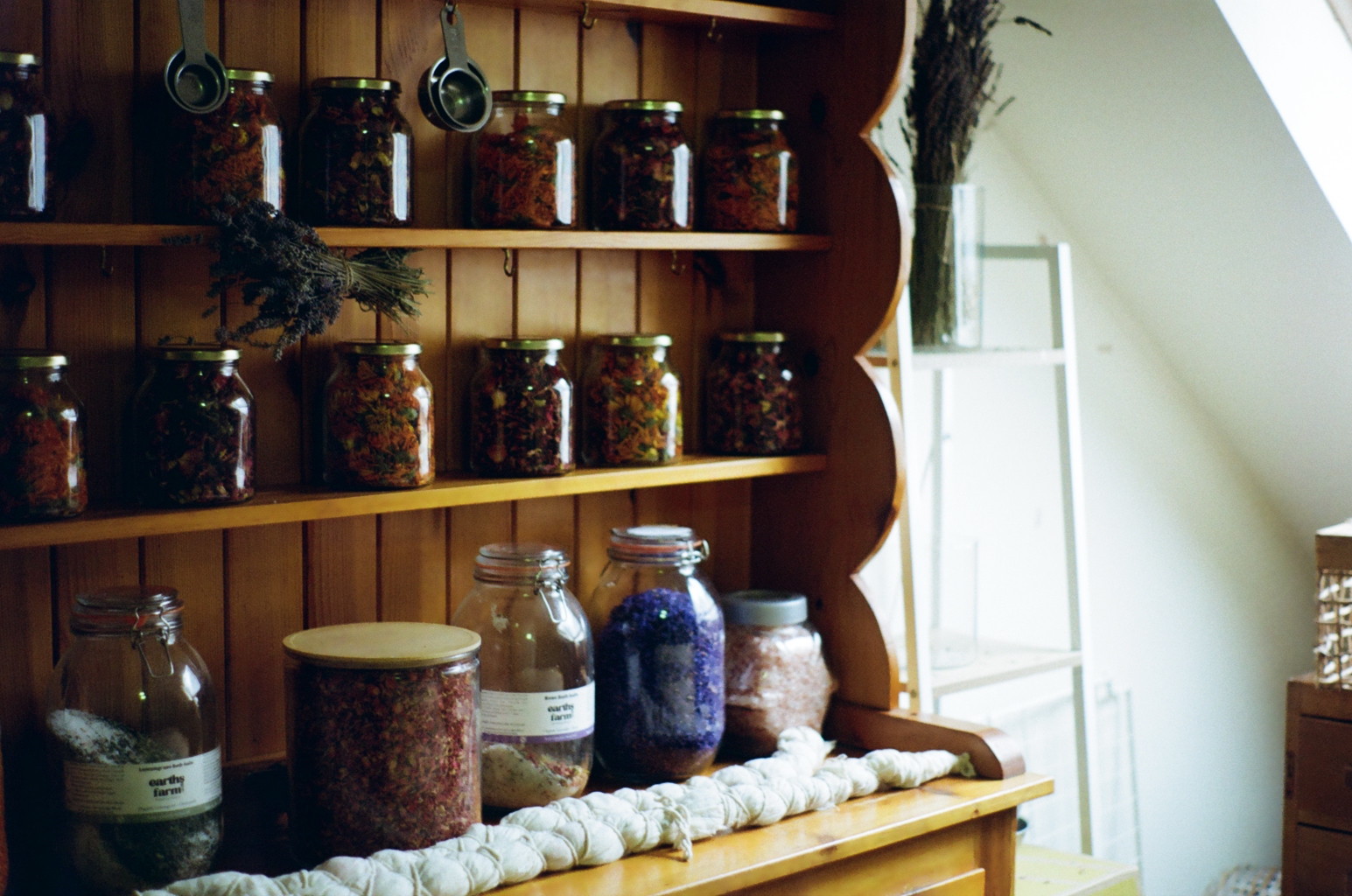
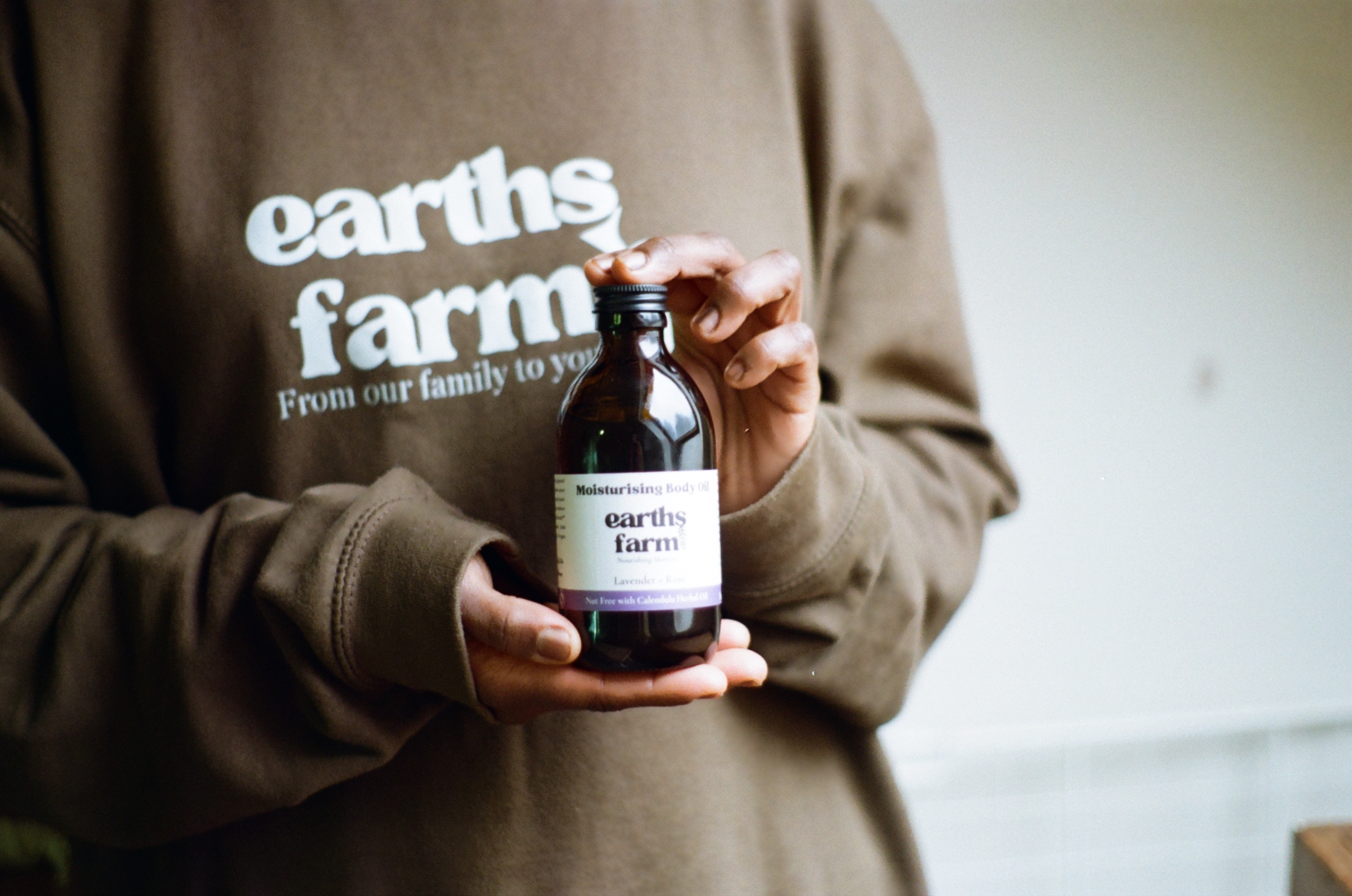
Both Danny and Tenesia come from farming families in the West Indies, so land tending has always been part of their ancestry. Their farming journey started in London as a newly married couple, where they practiced growing food at a local allotment. Years later, they now run a non-profit called Earth Farms and a skincare business in Llandeilo, Wales. Their work focuses on organic and regenerative food farming, holistic healthcare, and community education.

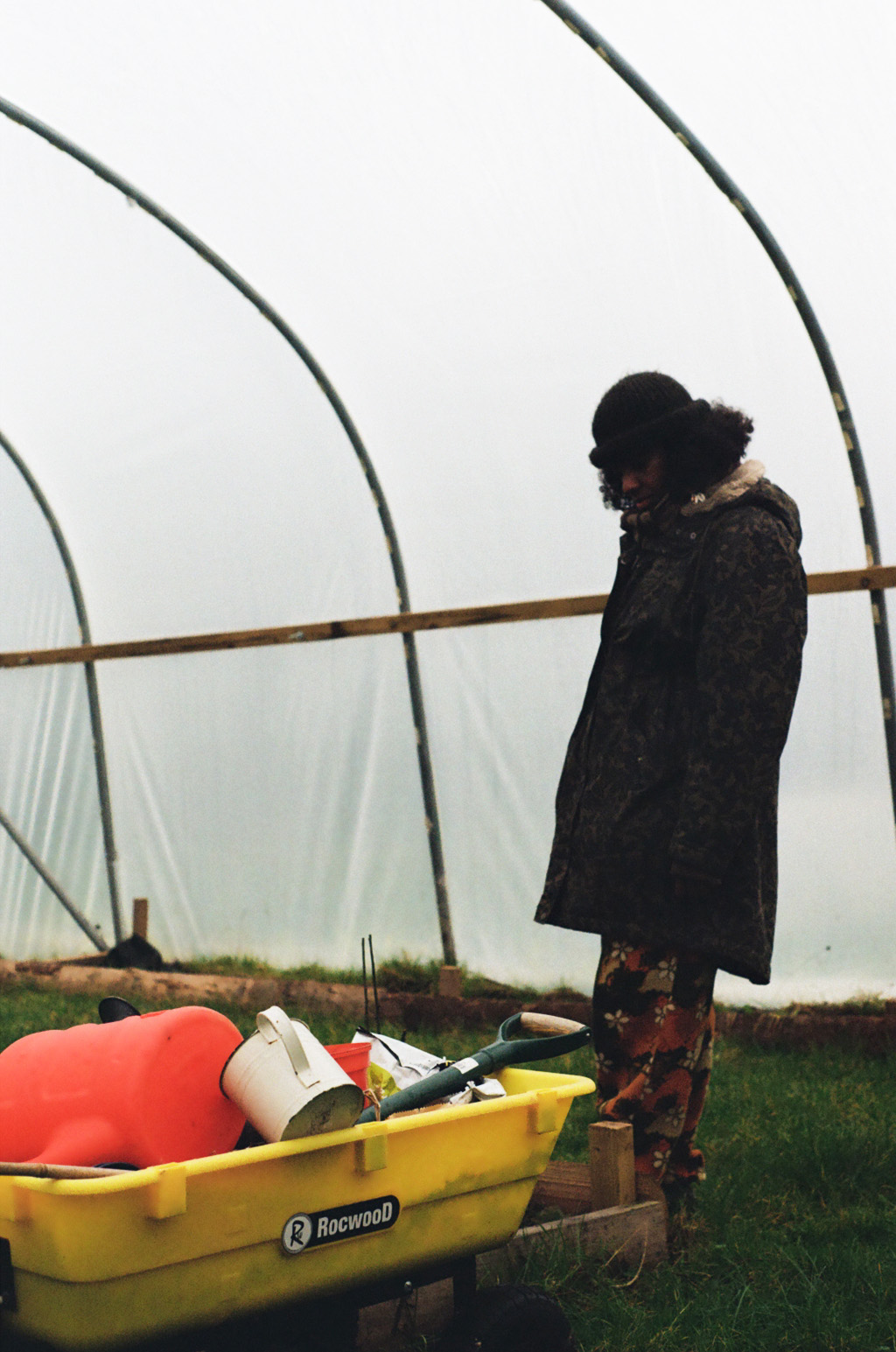
Tenesia looking at tools
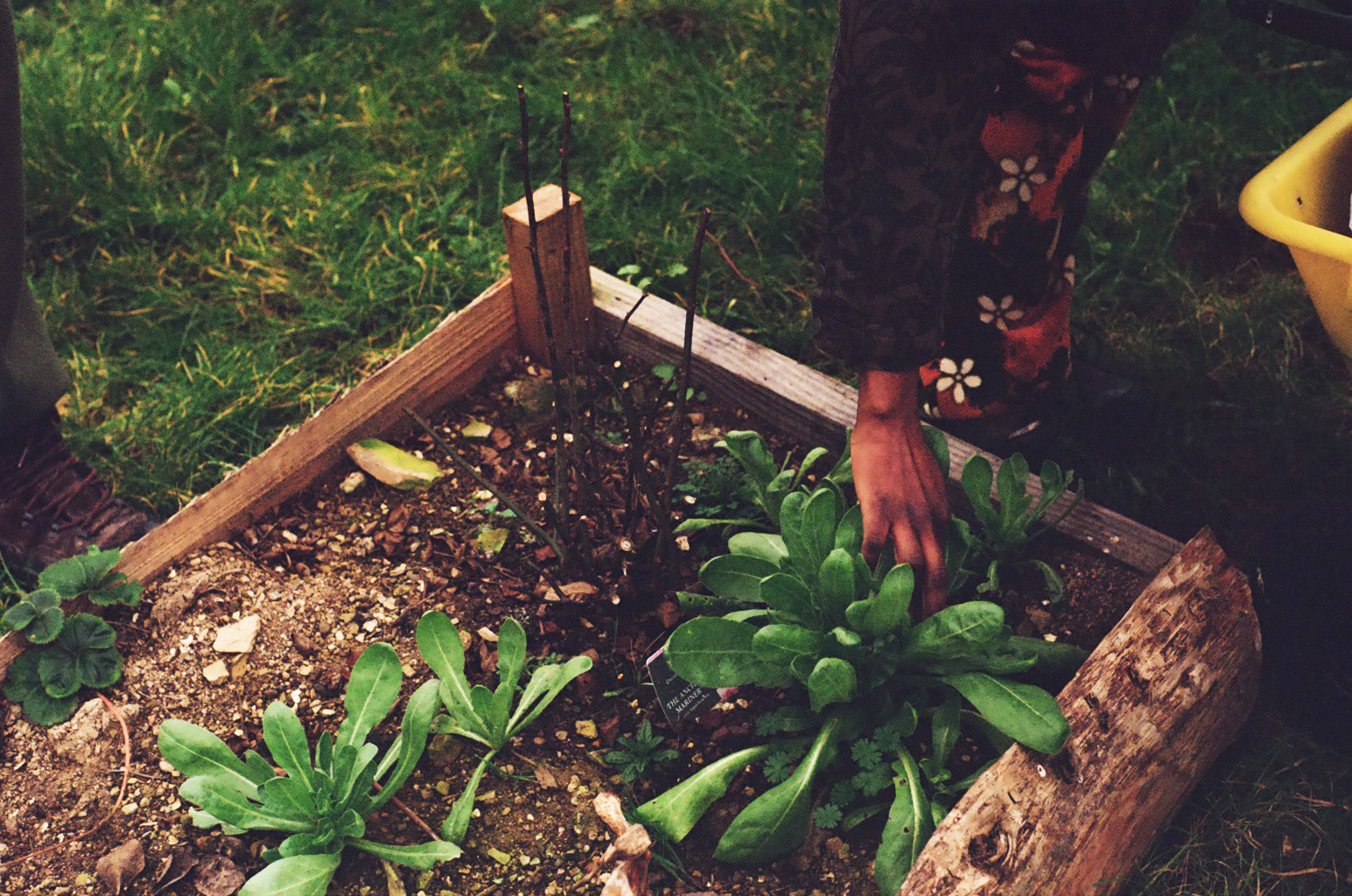
Garden bed
Danny and Tenesia walking in a field
Danny and Tenesia showing products
Danny and Tenesia cooking
Shelf with products
Showing earths farm product


In a report called ‘England’s Green Space Gap’ by Friends of the Earth Policy, almost 40% of Black and ethnic minority people live in England’s most green space-deprived neighbourhoods, compared to 14% of white people.

Moving to the countryside for many is a very daunting prospect – it may require sacrificing community or family connections, compromising on job opportunities, and adjusting to an entirely new pace of life. But for those who want to feel more connected to the UK’s natural landscape, there are plenty of organisations helping to change the narrative from within the city, whether that’s through Black-led hiking groups like Explorers Club or land reparation organisations like Land in Our Names.

The Black, women-led non-profit Black Growth CIC has been championing the mission of uplifting and empowering the Black community through environmentalism and agricultural education, and organising since 2022. As well as organising a Black farmers’ market in Brixton, London, to provide a safe space for local growers and business owners, they now have a plot of land at Roots Allotment in South London where they host community growing days.

This provides essential space for people to connect for free with each other and nature, in a city where access to personal green space is very limited. Jade Jones, community manager at Black Growth, said, “As someone who has never been able to step foot and experience that Caribbean rural culture in the Caribbean, being able to work in nature that aligns with my lifestyle in this way is beautiful.”

She discussed how the organisation has been particularly impactful in inspiring inner-city children. “Our work has evolved into educating people to be able to feel more grounded and have more of a sense of identity and independence with the land.” She’s experienced firsthand the beneficial impact growing has had on her well-being and community, and hopes to pass this down to those with even less access.

What we can learn from the stories shared by Flavian, Bev, Sisi, Danny, and Tenesia is that living rurally has its difficulties, much like living in an urban space, but for these individuals, the challenges that they have had to overcome have been worth it to achieve their desired lifestyles. It is still ingrained in most people’s thought that the British countryside is nothing but hostile and racist, and whilst this can still be part of Black people’s experience, the countryside it is so much more than that - it is peace, joy and for many, freedom.

Pursuing a life beyond the city is seen now as a radical move, almost a form of protest against the status quo for Black people. In recent years, former MC Fekky and JLS’s JB both publicly quit music to instead purchase farmland and build new lives in rural England. There has also been an emergence of Black people reconnecting with the rural folk histories and traditions of Britain through music collectives, film screenings, research, and community organising. All of this is evidence of the growing movement towards reclaiming all of Britain's land- putting names back into history where they were once erased. To go from collaborating with the likes of Skepta and Dizzee Rascal to raising chickens on a farm embodies the nuance, diversity, and endless possibilities of the Black experience in the UK.


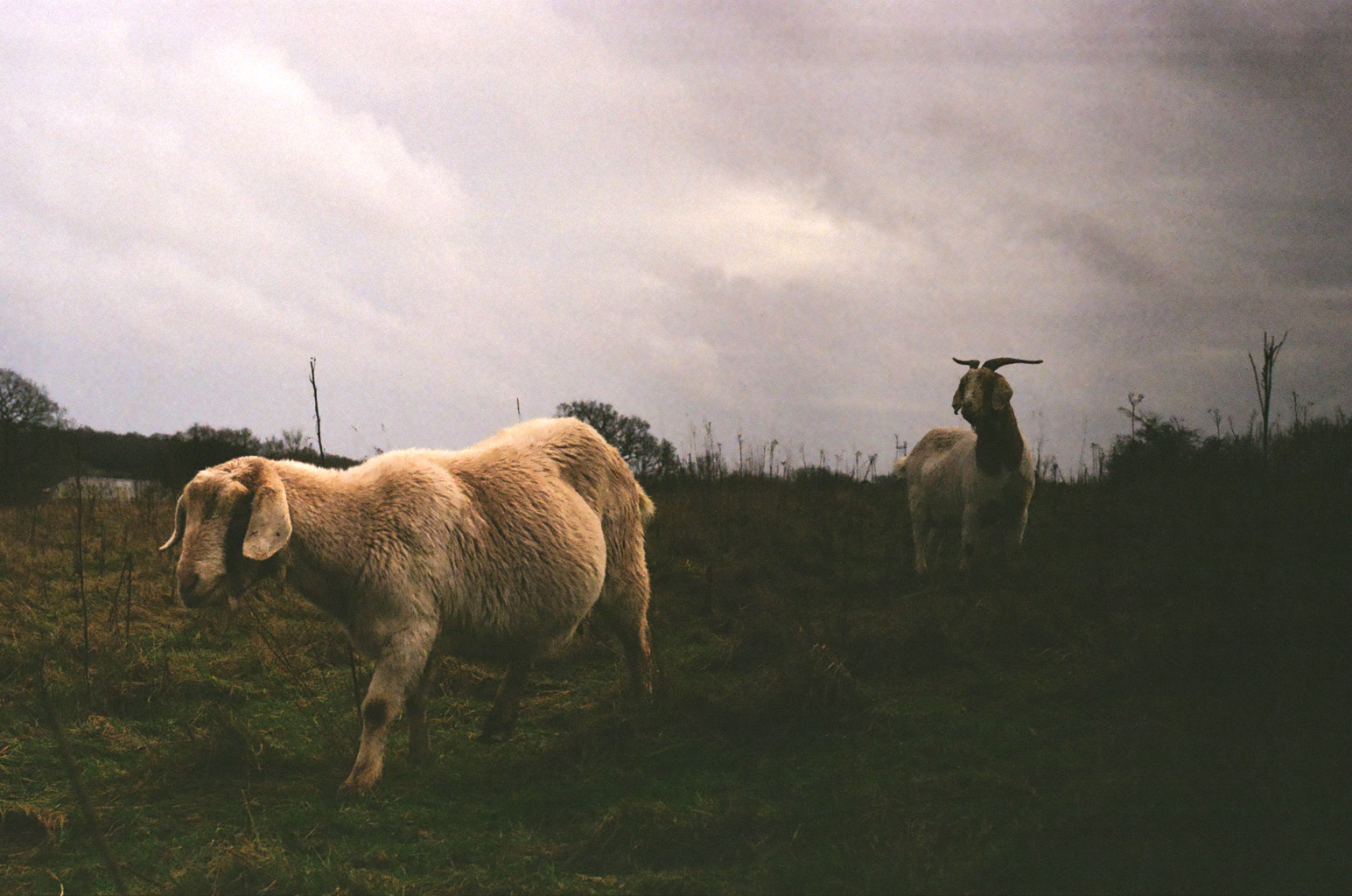
goats in a field